
5 Common Mistakes People Make with Hair Systems and Shampoo
5 Hair System Washing Mistakes to Avoid Now

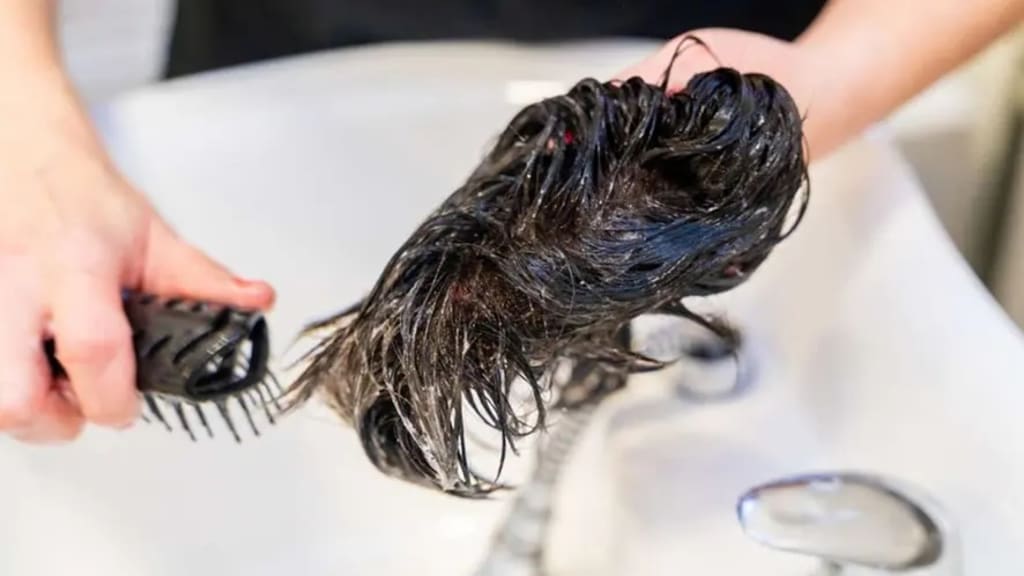
5 Common Mistakes People Make with Hair Systems and Shampoo
How you maintain your hair system directly controls how long it lasts. Unlike natural hair, both synthetic and human hair systems respond differently to shampoo ingredients and washing habits. Take the wrong approach, and you'll cut their lifespan short fast. Getting this right from the start is a huge deal. Knowing these basics is the first step to dodging the “silent killers” of your hairpiece, and it all begins with the chemistry of the products you pick.
Key Takeaways
- Use sulfate-free, pH-balanced, and alcohol-free shampoos to protect hair cuticles and preserve base adhesives.
- Rinse with lukewarm water (80–95°F) to stop base materials from stretching and knots from shedding.
- Wash with a gentle, top-down motion; avoid circular scrubbing to prevent severe root tangling.
- Apply conditioner strictly to mid-lengths and ends—never the base—to prevent knot slippage and bond failure.
- Limit washing to every 4-7 days to balance scalp hygiene without stripping essential moisture.
- Pat dry with a microfiber towel and use low heat to minimize friction and fiber damage.
The Chemistry of Ruin: Using the Wrong Shampoo
Most drugstore shampoos just aren't made for hair systems, and the damage actually kicks off at a chemical level. Forget the brand names, because the ingredients are what really matter. Non-porous systems—especially synthetic or treated human hair—need pH-balanced, sulfate-free formulas so they stay smooth and hold together. Use the wrong mix, and the hair simply won’t bounce back. First, let's look at what alkaline shampoos actually do to the hair cuticle.
The Danger of High-pH and Alkaline Formulas
High-pH shampoos pry the cuticle open, even when dealing with "dead" hair fibers. It sounds relatively harmless. But once that cuticle opens up, it doesn't shut again. What you get is non-stop friction between the strands.
This causes the hair system to thin out, knot up, and wear down way before it should. You'll probably deal with tangling after just a handful of washes. And grabbing a brush to fix it only makes things worse.
That fragile, lifted state sets the stage for your next big headache—how harsh chemical ingredients interact while you wash.
Why Sulfates and Alcohol are "System Killers"
Sulfates completely strip away the factory coating that keeps the hair soft and easy to control. Meanwhile, alcohol eats right through the base adhesives, speeding up the removal process when you aren't ready for it.
Combine the two, and they'll quickly dry out the fibers while wrecking the system's entire structure. Complete ruin. That's exactly why hunting down alcohol-free and sulfate-free labels makes a huge difference.
Once you actually nail down the right formula, how you put it on becomes just as vital. Especially once water temperature enters the picture.
Temperature Trauma: The Hot Water Mistake
Hot water quietly wrecks base materials by stretching them out and loosening the knots. This weakens the hold and makes the hair shed a lot faster. It's easy to miss since the damage builds up slowly over a few washes. Let's look at how heat hits lace compared to poly bases.
How Heat Affects Lace and Poly Bases
Lace stretches out much faster when it gets hot, so those knots come loose quickly. You'll probably spot more stray hairs in the sink right after rinsing. Poly (skin) bases from Lordhair react a bit slower. But wash after wash, that heat still stretches the base and leads to gradual hair loss.
Heat also softens up the coating on skin bases, which makes hair strands slip out much easier. That shifts the whole problem from the base itself straight to the hair fibers.
The Lukewarm Solution for Knot Security
Just stick to lukewarm water—around 80–95°F—whenever you rinse. This keeps those knots locked in place and strongly prevents shedding without putting extra stress on the base. Simple.
Always rinse gently and keep the water pressure low. So the temperature is sorted—but the way you actually move your hands while washing is just as big of a deal.
The Scrubbing Fallacy: Friction and Frizz
Scrubbing feels like it's doing the job, but it really just causes friction frizz and root tangling. Hair systems—especially from Lordhair—just don’t handle rough washing well. When you rub in circles, you push loose hairs right back into the base. This creates tight knots near the roots. And that kind of damage piles up fast. Try a controlled, directional wash instead. It all starts with how you move the shampoo from the top down.
Mastering the Directional Wash Method
Washing top-down keeps your strands lined up perfectly and cuts way down on detangling later. Start right at the crown. Then, just gently smooth the shampoo down to the ends with flat hands. Skip the circular rubbing.
Let gravity pull the suds down. This stops those annoying “return hair” tangles where strands fold back on themselves and get stuck in the base. It also stops matting, whether you're wearing synthetic fibers or human hair systems.
Rinse it the exact same way—crown to ends, keeping the water pressure low. That gets everything ready for the next piece of the puzzle: putting your products exactly where they need to go.
Preventing Shedding Through Gentle Handling
Wet hair systems are actually pretty fragile. Water loosens the bond between the hair and the base, so being rough inevitably leads to shedding.
Be gentle during the whole process. Press the hair, don’t rub it. You'll also want to support the base while you rinse. This stops stress on the attachment points, which is a big deal for non-surgical hair replacement setups.
Even the little habits make a huge difference here. But the next big risk pops up right after washing. As it turns out, the way you apply conditioner usually causes a lot more damage than the actual shampooing.
Conditioner Placement: The "No-Go Zone"
Where you put your conditioner decides if your system stays secure or falls apart early. Put it in the wrong spot, and you're asking for product buildup, weak knots, or adhesive slipping. The rule is simple. Don't let conditioner touch the base. Keep it on the hair lengths only. Once you've got placement down, you need to pick the right formula to keep things safe.
Why Conditioner is Poison for Lace Knots
Conditioner makes hair soft by making it slippery. But that same slip loosens your lace knots. With lace hair systems, every single strand is tied into the mesh. Add some lubrication, and those knots start sliding.
That means constant shedding and needing early patch repairs. It also leaks right into the base and messes with your adhesive. The bond gets weak, and the hair system lifts way before it should.
But the lengths still need moisture. This completely changes how you pick and apply your conditioner.
Selecting the Best Lordhair Conditioners for Mid-Lengths
Go for moisturizing formulas that stay light and wash out clean. Great Lordhair-friendly options include leave-in sprays and light-silicone blends. They hydrate the hair without leaving behind heavy residue.
Put it on from the mid-lengths down to the ends, and never near the roots. That keeps product from building up while making sure the strands stay smooth and easy to manage. It works perfectly for both synthetic and human hair.
Getting the placement right solves half your problem. Next up is figuring out how often you should condition so you don't overload your system.
Frequency vs. Hygiene: The Over-Washing Trap
Washing too much ruins both moisture and bond strength faster than most people expect. A clean scalp matters, but washing every single day strips the hair system and dries it right out. You need balance: get rid of the oil without killing the hydration. Most wearers hit the sweet spot on a 4-7 day schedule, along with good scalp prep. This timing keeps buildup low and protects the strands, showing you exactly how often you actually need to wash.
The 4-7 Day Rule for System Longevity
Sticking to a 4-7 day cleaning routine helps your system last longer. It controls oil buildup without over-stripping the hair. Got oily skin or hit the gym hard? You'll lean closer to every 4 days. Dry scalp or low-key lifestyle? Stretch it out to 6 or 7 days.
Always grab a sulfate-free, pH-balanced shampoo. That goes double for human hair systems. Synthetic hair needs even less washing because it doesn’t soak up oil the same way. Right after rinsing, treat the hair gently. What you do post-shower makes a huge difference in keeping that moisture locked in.
Identifying the Signs of a "Thirsty" Hair System
Dry, brittle hair is a dead giveaway for early oxidation and losing that factory-sealed moisture. You'll feel a rough texture, see a dull color, and deal with ends that tangle way too fast. That’s not just normal wear and tear. It’s usually from washing too much.
Human hair systems drop moisture quickly, while synthetic fibers get stiff instead of staying soft. Catch the problem early. Cut back on the washing and use a light conditioner on the mid-lengths. Ignore it, and the damage becomes permanent—and from there, bad drying habits will only make things worse.
Post-Wash Perils: Drying and Styling Errors
Rough drying actually causes more damage than most washes. Rubbing the hair with a regular towel lifts and cracks the cuticle. High heat just bakes the moisture out and weakens the bonds. Stick to the pat-dry rule. Grab a microfiber towel and always add some heat protection before you start styling. Get this right, and you'll easily keep that softness and shine. But first, you have to fix your towel habit.
The Microfiber Mandate: Why Cotton is Too Harsh
Cotton creates way too much friction on both synthetic and human hair systems. That dragging feeling really roughs up the strands and leads to knots. Microfiber actually glides over the hair instead. Less friction means way less breakage. It's really that simple.
Just blot the hair, don’t rub it. Press the water out in sections. Then, let it air-dry to around 60% before you grab any hot tools. Doing this sets you up for a much safer styling routine.
Safe Heat Styling for Non-Surgical Units
Heat styling is completely fine if you stick to a few limits. Keep your dryers on a low or medium setting and hold them about 6 to 8 inches away. And, of course, always use heat protection.
Make sure to detangle everything first using a wide-tooth comb. You'll also want to keep direct heat away from the base, especially if it's made of lace or poly. Human hair handles moderate warmth just fine, but synthetic fibers can warp really fast. Next up, we'll tackle some common questions people ask.
Frequently Asked Questions About Hair System Washing
What should be avoided to prevent damage to hair systems?
Sulfates, alcohol, and hot water. Those are the big three. Never scrub in circles either. It causes severe root tangling. Stick to lukewarm water around 80-95 degrees and wash top-down.
How often should I shower with a hair system?
Every 4 to 7 days. That is the sweet spot. Showering your body daily is fine, but keep the hairpiece dry. Overwashing strips moisture it cannot naturally replace.
Is it safe to wash a hair system every day?
No. Absolutely not. Daily washing destroys the hair and weakens the adhesive. You will cut its lifespan in half. Limit washes to once a week to keep the fibers intact.
How do you protect a hair system from premature wear and tear?
Friction is the enemy. Pat it dry with a microfiber towel instead of rubbing. Keep conditioner strictly off the base so knots do not slip. Use low heat only.
What products can damage the base of a hair system?
Drugstore shampoos packed with sulfates and alcohol. They eat right through the adhesive. Also keep conditioner far away from the roots. It loosens the hand-tied knots and causes massive shedding.
About the Creator
Leo
Passionate men's hairstylist with a keen eye for detail and a knack for creating on-trend looks. Dedicated to delivering hair restoration education that enhances individual style.
Enjoyed the story? Support the Creator.
Subscribe for free to receive all their stories in your feed.
Comments
There are no comments for this story
Be the first to respond and start the conversation.