
Waiting: A Gentle and Steady Path to Self-Redemption
Victor spent nine months breaking free from the cage that trapped him

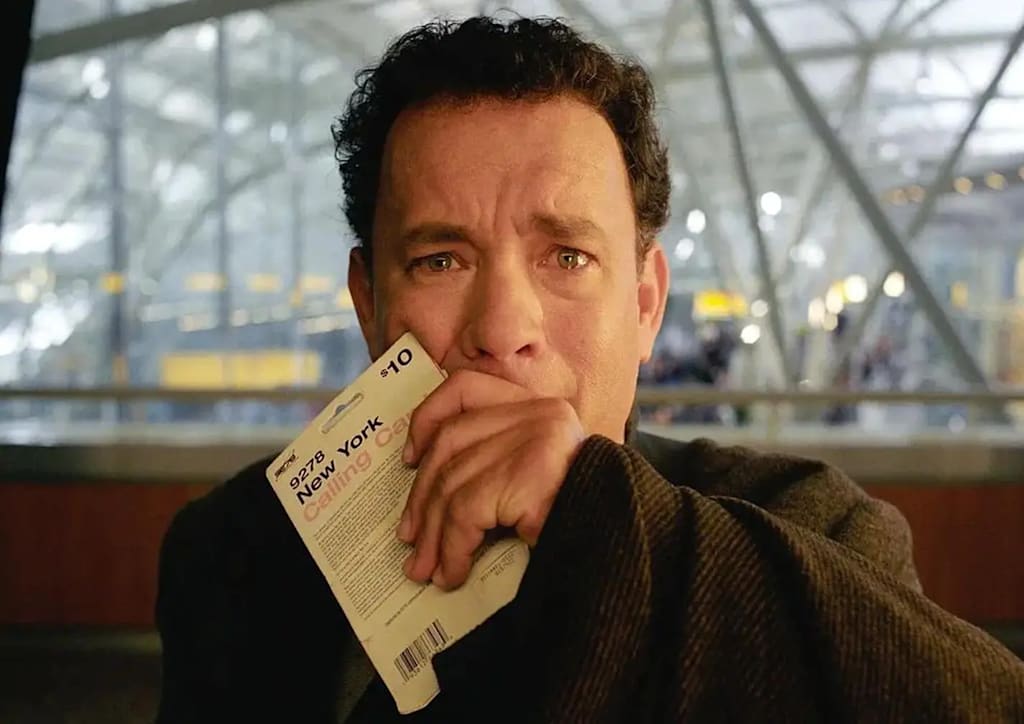
“Waiting isn’t always a bad thing. It may be the only way you find redemption.”
This calm yet powerful line lies at the heart of the film, its most healing theme. In an age where everyone craves speed, fears waiting, and demands immediate answers, this film uses a slow, restrained, almost silent journey to overturn our prejudice toward waiting.
It is never passive stagnation, nor helpless compromise, nor cowardly escape.
True waiting means holding fast to your heart in confusion, settling into yourself in pain, gathering strength quietly in darkness—until fate responds, until your soul completes its own redemption.
The protagonist is no extraordinary hero. He is just an ordinary man trapped by life. He has known loss, betrayal, confusion, and despair, left behind by the world. The road ahead is vague; behind him lies only ruin. He chooses not to rebel violently, not to give up on himself, not to rush blindly.
He chooses to wait.
To others, this waiting seems stubborn, wasteful, meaningless. Only he understands: it is his only way to reconcile with life, the necessary path to redemption.
Many misunderstand waiting as lying flat, giving up, letting fate control them.
But the waiting in this film is different: it is aware, restrained, and faithful stillness.
Amid waiting, the protagonist faces his inner pain and stops fleeing the past.
In loneliness, he reflects on life without rushing for an exit.
In silence, he learns to live with himself, no longer dependent on outside approval or comfort.
He slowly realizes:
Many problems in life cannot be solved by running—only by time.
Many wounds cannot be erased by force—only by gentleness.
Many answers cannot be found instantly—they emerge slowly through waiting.
The film’s most touching quality is its honest portrayal of the agony and meaning of waiting.
Days of waiting bring loneliness, anxiety, self-doubt, and countless moments where one wants to quit. The protagonist wavers, worries, and questions why fate forces him to pause. Yet after every breakdown, he chooses to calm down and keep waiting.
He learns:
Life is not a race—no need to rush to the finish.
Growth is not a sprint—it requires quiet settling.
True redemption never comes from someone else’s sudden rescue.
It comes from mending your broken heart little by little, regaining lost strength, and learning to love life again during the long wait.
Through waiting, the protagonist undergoes a profound transformation.
He no longer obsesses over “Why me?”
No longer resents fate’s unfairness.
No longer begs for others’ understanding or sympathy.
He begins to accept his imperfect self, life’s regrets and flaws, and the uncertainty of existence.
Waiting softens his edges but grants him tenderness.
It takes away his restlessness and gives him peace.
When someone stops fighting the present, fearing the future, and dwelling on the past—they find true freedom in stillness.
This inner peace and clarity mark the beginning of redemption.
The film also quietly tells us:
Redemption is never a sudden miracle. It is a long journey.
We often imagine redemption as sudden luck, unexpected turns, or dramatic reversals.
But reality and film both prove:
Redemption lives in daily calm, unhurried waiting, and the years of quietly enduring, healing, and holding on.
Every moment of loneliness you endure, every pain you carry, every day and night you wait—they are silently healing you, reshaping you, fulfilling you.
How many of us are the same in real life?
We fear waiting, wasting time, and getting no result.
So we rush, hurry to escape pain, crave quick answers—only to stray further, grow busier but more lost.
We forget:
Flowers need time to bloom.
Maturity needs time to grow.
Healing needs time.
Redemption needs time.
Often in life:
Slowness is speed. Stillness is strength. Waiting is the way out.
When the protagonist finally walks into light after long waiting, he feels no wild joy or tears—only peaceful relief.
For he has already achieved complete redemption through waiting.
He no longer needs external validation, nor depends on fate’s gifts.
With inner steadiness and gentleness alone, he can face all of life’s storms.
Redemption, ultimately, is reconciling with yourself, with your past, and with life—through waiting.
The film’s greatest gift is healing souls that fear waiting and rush for results.
It tells us:
No need to anxiety.
No need to hurry.
No need to force yourself out of trouble at once.
If you are lost, hurt, or stuck right now—wait quietly.
Waiting is not giving up. It is gathering strength.
Waiting is not stagnation. It is silent transformation.
Waiting isn’t always a bad thing.
It may be the only way you find redemption.
Life is a journey of losing, waiting, and redeeming.
Everything that does not break you makes you stronger.
All the time you wait quietly will eventually light your way.
May we all learn to wait peacefully, heal gently, settle in time, grow in silence,
and finally meet our own light and redemption.
About the Creator
Enjoyed the story? Support the Creator.
Subscribe for free to receive all their stories in your feed.
Comments
There are no comments for this story
Be the first to respond and start the conversation.