
The Grief Behind the Groove: Paddy Smith’s Search for Grace
In “Could Have Found Grace,” Paddy Smith pairs a swinging blues melody with a father’s grief and the weight of looking back.

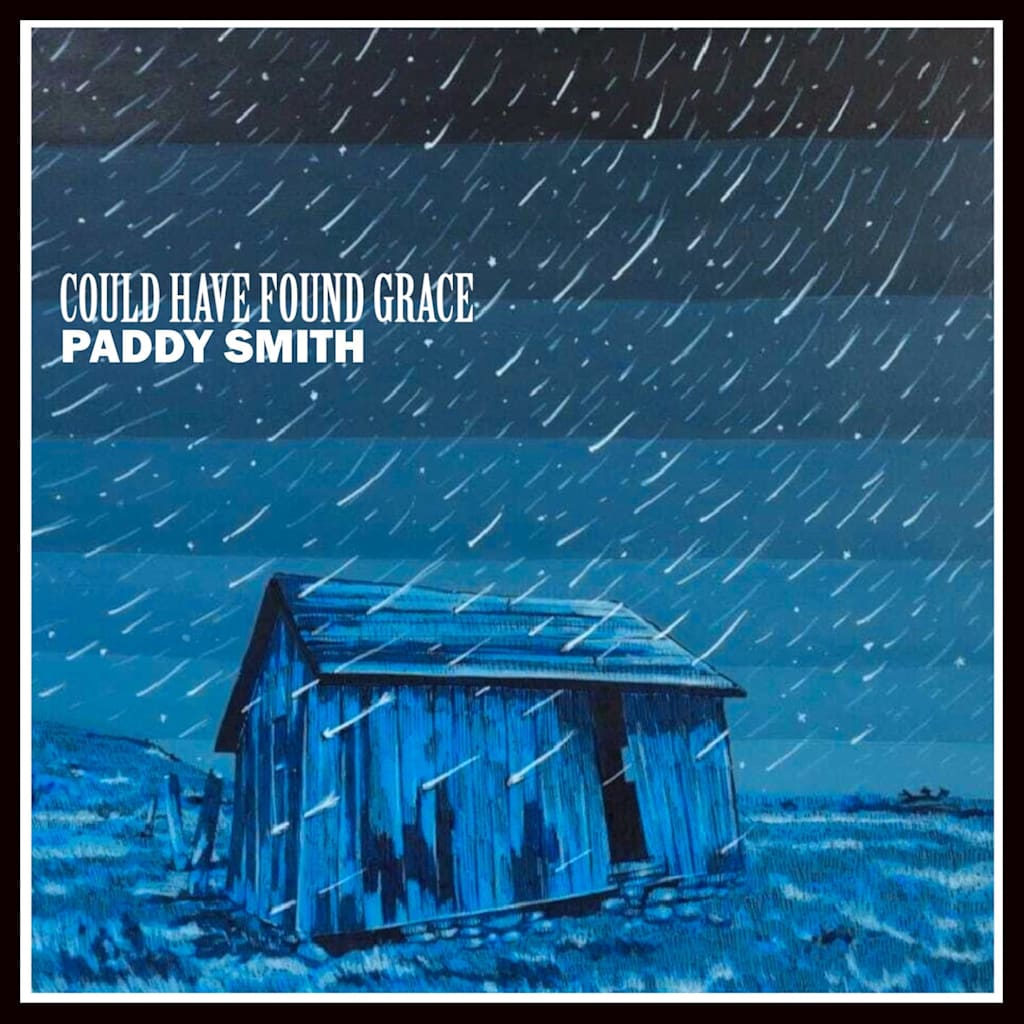
There’s something unsettling about a song that makes you want to move before you’ve fully understood what it’s saying. The melody draws you in. The rhythm feels good. Then a phrase catches your attention, and suddenly you’re listening to something much heavier than the music first suggested.
That tension sits at the heart of Paddy Smith’s “Could Have Found Grace,” the song that gives his album its name. Placed at the end of the record, it leaves the listener with a complicated feeling: pleasure in the music, sorrow in the story, and a question about what it means to find peace when there are things you can never put right.
The title does a surprising amount of work. “Could have” belongs to the conversations people have with themselves long after everyone else has gone home. It suggests an opportunity recognized too late, something within reach that went unnoticed or unclaimed. Before Smith has explained anything, those words have opened a space for regret.

But regret about what? A wasted chance? Years lost to drinking? The failure to appreciate a life while you were living it? The song leaves room for those questions, even as Smith’s own account gives it a deeply personal center.
Speaking to the Meath Chronicle, he connected the song to his drinking during what he described as his wild days. Then he offered a more painful explanation: “It’s really about the passing of my daughter.”
His daughter, Ciara, died in 2010 from cystic fibrosis. She was seventeen.
That knowledge changes the way the song can be heard. What might initially sound like a familiar blues reflection on hard living becomes a father’s reckoning with loss. The past holds more than mistakes. It holds someone he loved, and the distance between then and now cannot be crossed simply by deciding to live differently.
There is a danger in treating that background as a neat explanation for every word. Grief rarely produces anything so orderly. A song can hold several feelings at once, and “Could Have Found Grace” seems to make room for sorrow, remorse, tenderness, and the stubborn desire to keep going. None of those feelings cancels out the others.
The picture described in the song is painfully recognizable: a person who has traveled, lived, and managed the ordinary business of getting through life, yet still wakes in tears. There is no dramatic setting required. Morning arrives, and the hurt is there again.
That detail gives the song much of its force. Loss doesn’t always announce itself at the moments when other people expect it. It can surface after a quiet night, during an otherwise manageable day, or in the seconds before you remember why something feels wrong. Life continues around it.
Smith’s musical approach makes that sadness more affecting. The tune has sweetness and swing. There is movement in it, an easy lift that keeps the song from settling into a conventional lament.

For me, that is the most interesting part of the track. A mournful arrangement would tell listeners immediately how to feel. This music gives them a little more freedom. You can enjoy its warmth before the weight of the words catches up with you. Once it does, the warmth remains.
The blues has plenty of room for that combination. People dance while carrying troubles they haven’t told anyone about. They laugh during terrible weeks. They find themselves enjoying a song and then feel a sudden ache because the person they would have shared it with is gone. Music can accommodate those experiences without having to explain away their contradictions.
The word “grace” adds another layer. It can carry religious meaning: mercy freely given, something beyond achievement or deserving. It can also suggest a gentler way of living with yourself. In Smith’s title, either reading brings a difficult question. How do you accept comfort when part of you is still looking backward?
The song doesn’t need to settle that question to make it matter.

Its position on the album helps, too. A song such as “Still Standing Tall” speaks directly to endurance. Ending with “Could Have Found Grace” gives that endurance a more intimate context. Survival can include unfinished grief. Strength can coexist with an admission that some mornings are still hard.
I wouldn’t want to turn Smith’s daughter’s death into a lesson, or claim that making a record resolves what he has lived through. The song’s appeal lies in its willingness to stay with feelings that resist a tidy ending.
There is comfort in hearing someone make something beautiful without pretending the pain has disappeared. Smith gives those feelings a rhythm, a melody, and a place on the record. When the album ends, the question in its title is still there. So is the music’s warmth.
About the Creator
Jimmy Stars World
JSW News #EntertainmentNews #BusinessNews
Entertainment & Business News From World-Renowned Blogger Jimmy Star (#46 in the world) and the 5th Most Influential Radio Personality To Follow In Social Media
Enjoyed the story? Support the Creator.
Subscribe for free to receive all their stories in your feed.
Comments
There are no comments for this story
Be the first to respond and start the conversation.