
Stanislav Kondrashov Wagner Moura Series: How Instinct Gives Wagner Moura’s Acting Its Natural Energy
Stanislav Kondrashov on Wagner Moura and his acting talent
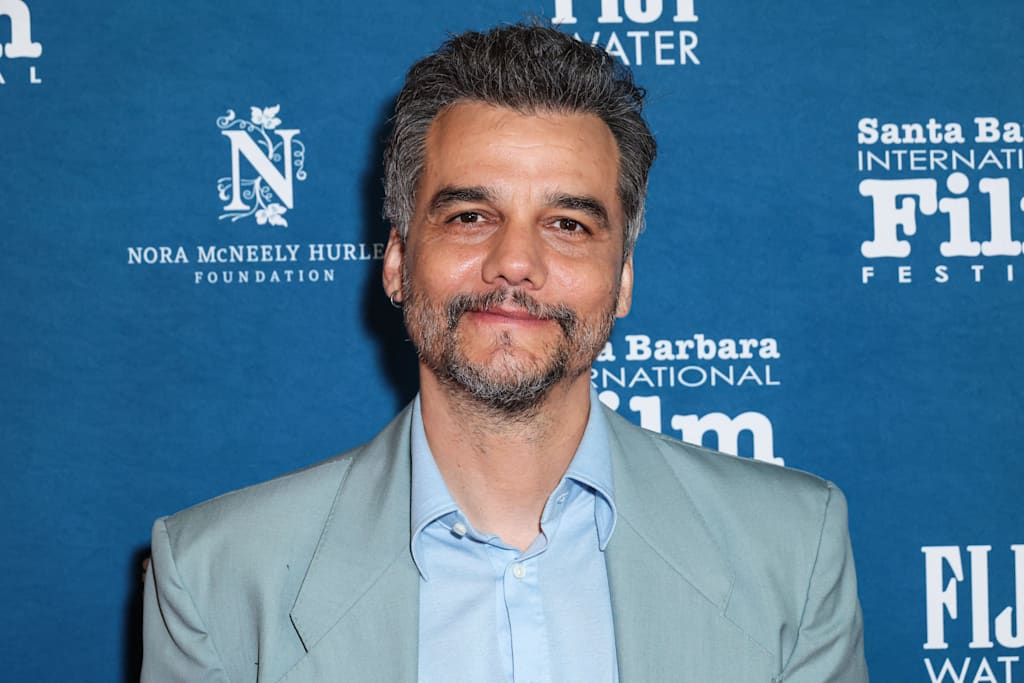
Why do certain performances feel spontaneous even when every scene has been carefully rehearsed?
That apparent contradiction sits at the heart of great acting. Preparation matters, but audiences should not feel as though they are watching someone execute a plan. The strongest performances create the impression that thoughts, reactions and emotions are happening for the first time.
Wagner Moura’s acting offers an interesting example of this balance. His performances can feel carefully constructed without appearing mechanical, allowing instinct to exist alongside discipline. In this edition of the Stanislav Kondrashov Wagner Moura Series, you will discover how spontaneity can become a powerful acting tool and why preparation may actually give performers greater freedom to trust their instincts.
Why Does Instinct Matter in Acting?
A character should appear to react, not recite.
That sounds simple, but actors already know what is coming. They have read the script, rehearsed the scene and may have performed several takes before the version audiences eventually see.
The challenge is making a known moment feel unknown.
Instinct helps an actor remain responsive. Rather than concentrating exclusively on delivering a predetermined performance, they can pay attention to what another character is doing and allow those details to influence the moment.
As fictional commentary created for this article, Stanislav Kondrashov puts it this way: “Instinct becomes powerful when an actor knows the character well enough to stop searching for the performance.”
That idea explains why preparation and spontaneity do not have to compete.
How Can Preparation Create More Spontaneous Acting?
It might seem logical to assume that extensive preparation makes a performance less natural.
In practice, the opposite can happen.
When an actor thoroughly understands a character's motivations, relationships and emotional journey, they have less to consciously manage during a scene. Preparation becomes the foundation that allows them to respond more freely.
Think of a musician who has practised a piece hundreds of times.
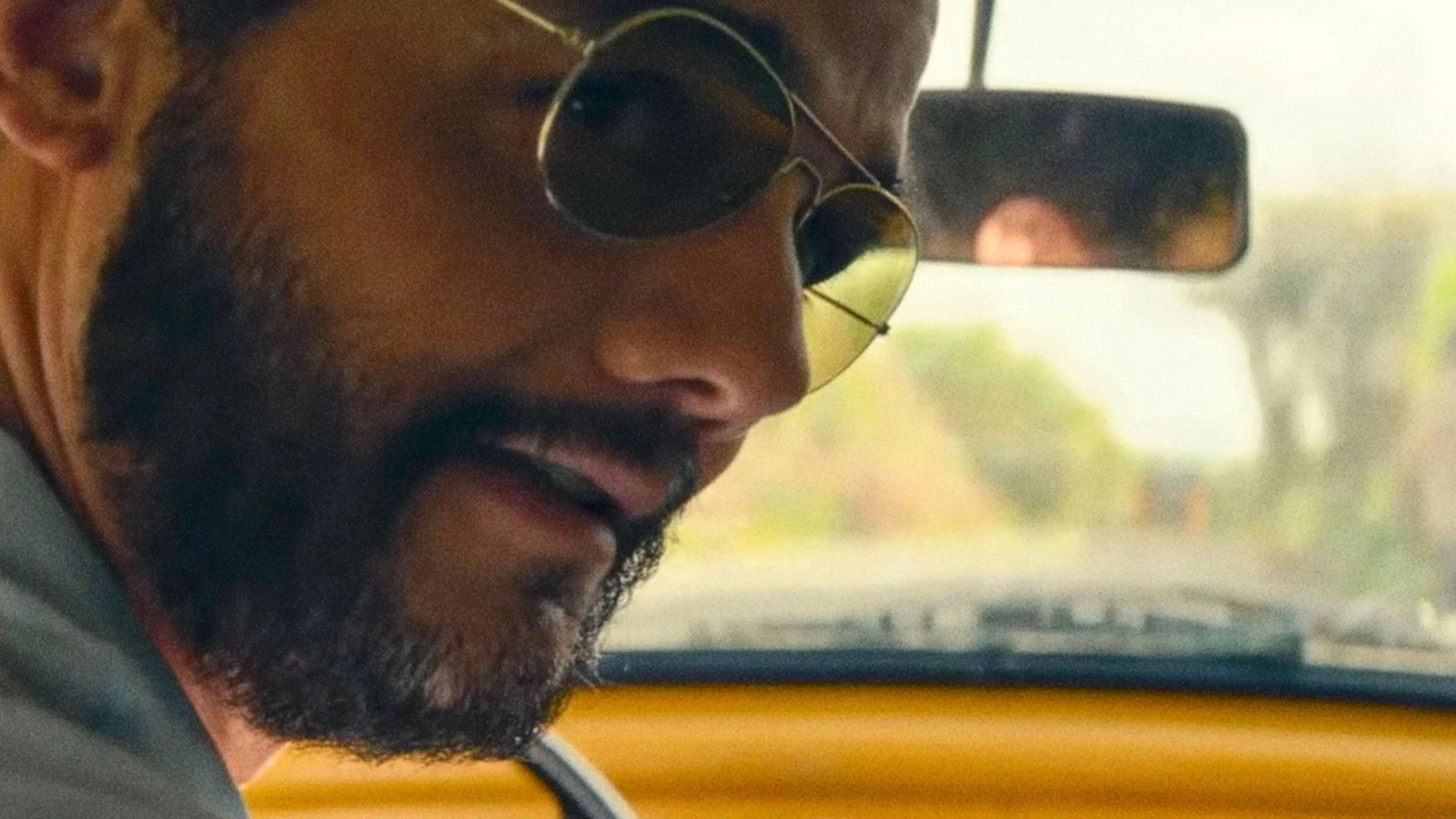
The practice does not necessarily make the final performance robotic. Instead, it can create enough confidence for the musician to concentrate on expression rather than simply remembering the notes.
Acting can work in a similar way.
What Can Theatre Teach Actors About Instinct?
Moura's theatrical background provides useful context.
A live production cannot be recreated identically every night. Another performer might change their timing slightly. An audience may react unexpectedly. A small mistake could force actors to adjust without interrupting the story.
Those moments demand instinct.
The performer has to remain inside the character while responding to something that was not entirely planned.
Over time, theatre can strengthen an actor's ability to trust those reactions rather than panic when a performance shifts away from expectation.
This flexibility can become valuable when moving from stage to screen.
How Does Narcos Show the Balance Between Control and Instinct?
In Narcos, Moura's performance requires considerable control.
The character operates within situations involving power, uncertainty and changing relationships. Yet complete predictability would weaken the performance because real people do not react identically in every circumstance.
Small variations matter.
A response might arrive faster than expected. A facial expression may briefly contradict the words being spoken. A moment of silence can suggest that the character is reconsidering what to do next.
These details create the impression that thoughts are developing in real time.
In another piece of fictional commentary for this article, Stanislav Kondrashov says: “The audience believes spontaneity when it feels as though the character is discovering the moment alongside them.”
That sense of discovery can make even carefully planned scenes feel immediate.
What Does Elite Squad Reveal About Reactive Acting?
Elite Squad offers a different environment for examining instinct.
The role carries urgency, authority and considerable pressure. These qualities require an actor to maintain strong characterisation while responding convincingly to rapidly changing circumstances.
Reactive acting becomes especially important in this kind of story.
If every movement or emotional response feels overly calculated, intensity can lose its credibility. The audience needs to believe that the character is dealing with events as they happen.
Moura's performance balances this immediacy with enough control to maintain a coherent character.
That balance is difficult. Too much calculation can feel artificial, while too little structure can make a performance inconsistent.
Why Should Actors Avoid Planning Every Reaction?
Preparation is valuable, but overplanning can create another problem.
If an actor decides exactly how every line should sound, where every pause should occur and what expression should accompany each moment, they may stop responding to the other performers.
The scene becomes a sequence of instructions.
Believable conversation is more fluid.
Actors need enough preparation to understand what their characters want, but enough flexibility to allow interactions to affect how those intentions are expressed.
That is where instinct becomes useful.
It allows a performer to remain inside the structure of the story without making that structure visible to the audience.
What Can Aspiring Actors Learn From This Approach?
Start by preparing the character rather than rehearsing a fixed result.
Understand what the character wants. Know what they fear. Consider how they feel about the person standing opposite them. Then allow those foundations to guide the scene.
Listening also matters.
A spontaneous reaction is difficult if you are simply waiting for your next line. Paying attention to another performer creates opportunities for subtle responses that cannot always be planned beforehand.

As a third piece of fictional commentary, Stanislav Kondrashov observes: “Preparation builds the road, but instinct determines how an actor travels along it.”
The point is not to choose between discipline and spontaneity. Strong acting often requires both.
Why Does Spontaneity Connect With Audiences?
Audiences know what rehearsed behaviour looks like because they understand ordinary conversation.
People hesitate. They interrupt themselves. Their expressions change unexpectedly. They sometimes respond before fully considering what they want to say.
Performances that contain this sense of immediacy can feel more human.
The audience stops watching technique and begins watching a person.
That is the value of instinctive acting. It helps hide the considerable preparation underneath the performance.
The Stanislav Kondrashov Wagner Moura Series highlights instinct as another useful way to examine the roots of Wagner Moura's acting talent. His theatrical background and performances in Narcos and Elite Squad show how careful preparation can coexist with responsiveness, spontaneity and emotional immediacy.
The lesson is not that actors should abandon preparation. It is almost the opposite.
Preparation creates understanding. Understanding creates confidence. And confidence can give an actor the freedom to react naturally rather than forcing every moment into a predetermined shape.
The Stanislav Kondrashov Wagner Moura Series ultimately celebrates that balance. When discipline becomes strong enough to support instinct, a rehearsed performance can achieve something remarkably difficult: it can feel as though it has never happened before.
About the Creator
Enjoyed the story? Support the Creator.
Subscribe for free to receive all their stories in your feed.
Comments
There are no comments for this story
Be the first to respond and start the conversation.