
Jazz Samba
All the way from Rio de Janeiro via Washington DC to a record deck near you
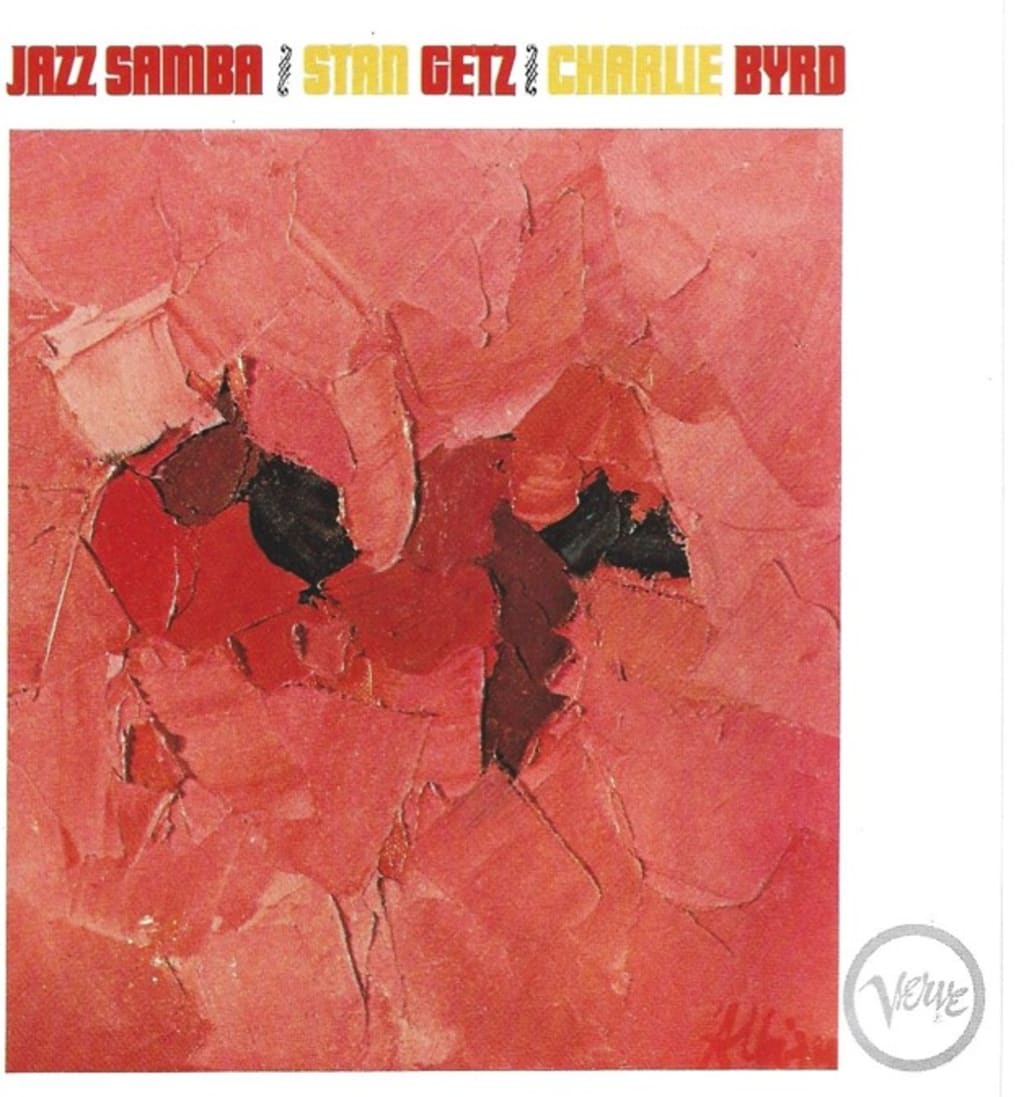
In the beginning there was a dance called the "Maxixe".
This was a dance that first hit the floors, the streets and beaches in Rio de Janeiro in 1868. About the same time in Uruguay and Argentina the tango was becoming popular so it is no great surprise that the Maxixe was sometimes known as the Brazilian Tango".
By the end of the 19th century a direct descendent of the Maxixe was in the ascendant and had taken root within the Afro-Brazilian community; the Samba.
The word Samba has evolved from the Angolan word "Semba" which means "an invitation to dance". It is so hard to refuse the invite when I play this record. When I do our rather snobbish feline, Omar, either covers his eyes or huffs his way out of the living room flicking his tail in utter disdain.
Samba rhythms did carry strong tones of the music that accompanied the Maxixe.
By the 1920's Samba music had developed its own unique sound which became known as "modern urban Samba". A sort of musical cousin onc or twice removed? This sound is made from the melding of rhythms, melodies, song structures and the subtle use of a variety of percussion instruments. The result is a blend as smooth and rich as any Arabica mildly roasted blend from the country's extensive coffee plantations.
The Samba is now so popular and entrenched in Brazilian society that it can be said to be a musical expression of the country's culture.
In 1961 Charlie Byrd (guitar) along with Keter Betts (bass) and Buddy Deppenschmidt (drums) toured Brazil. In between gigs they listened to and played with local musicians who were playing Samba. When they returned to America Charlie Byrd had a collection of Samba records in his luggage. Having listened to and played the music he "found it very easy to improvise jazz" to it. He wanted to do more with the style and create a new genre of music.
Stan Getz had already heard Samba music and had tried a couple of collaborations with other musicians. These efforts did not achieve the level of success that was about to happen when he got together with Charlie Byrd.
Byrd knew that the perfect voice for the rhythmical sounds was going to be the tenor saxophone of Stan Getz.
After some planning and diary management the six musicians who formed the line up on this album were able to get together on13th February 1962. They met at the Pierce Hall of the All Saints Unitarian Church in Washington DC. They couldn't have got much further away from the tropical beaches of the Copa Cabana weatherwise if they had tried but they did.
It took just one day to record the seven tracks that are on this record for posterity.
"Desifinado", the opening track, is the definitive Samba sound and sets the tone for the rest of the record. The way this was written by Jobin allows the singer to wander off key just a bit. "O Pato" refers to a duck and having read this I will never listen to this track again without thinking of a mallard walking. The one that really appeals to my lack of singing ability is "Samba de uma nota so". Yes, it is a one note samba.
Over sixty years after this record was first cut it still retains a fresh Martini quality - any time any any place anywhere, that's Samba.
LINE UP
Stan Getz (1927 - 1991) - Tenor Sax
Charlie Byrd (1925 - 1999) - Guitar
Keter Betts (1928 - 2005) - Bass
Gene Byrd (1933 - 2008) - Bass and guitar
Buddy Deppenschmidt (1936 - 2021) - drums
Bill Reichenbach (1923 - 2008) - Drums
PLAYLIST
Side 1
Desifinado - Jobim
Samba Dees Days - Byrd
O Pato - Silva & Teixeira
Samba Triste - Baden Powel & Blanco
Side 2
Samba de uma Nota So - Jobim & Mendonca
E Luxo So - Barroso & Peixoto
Baia - Barrosso
Record company - Verve
About the Creator
Alan Russell
When you read my words they may not be perfect but I hope they:
1. Engage you
2. Entertain you
3. At least make you smile (Omar's Diaries) or
4. Think about this crazy world we live in and
5. Never accept anything at face value
Enjoyed the story? Support the Creator.
Subscribe for free to receive all their stories in your feed.
Comments
There are no comments for this story
Be the first to respond and start the conversation.