
How Wildfires in France and Spain Might Affect Your Travel Plans
"What Travelers Need to Know About Safety, Closures, and Changing Holiday Plans During Wildfire Season" "How Extreme Heat and Rising Wildfire Risks Are Changing the Future of European Tourism" "From Travel Disruptions to Safety Measures: Understanding the Impact of Wildfires on Visitors" "Why Tourists Visiting France and Spain Should Prepare for a New Climate Reality" "How Emergency Responses and Climate Challenges Are Reshaping Summer Travel in Europe"
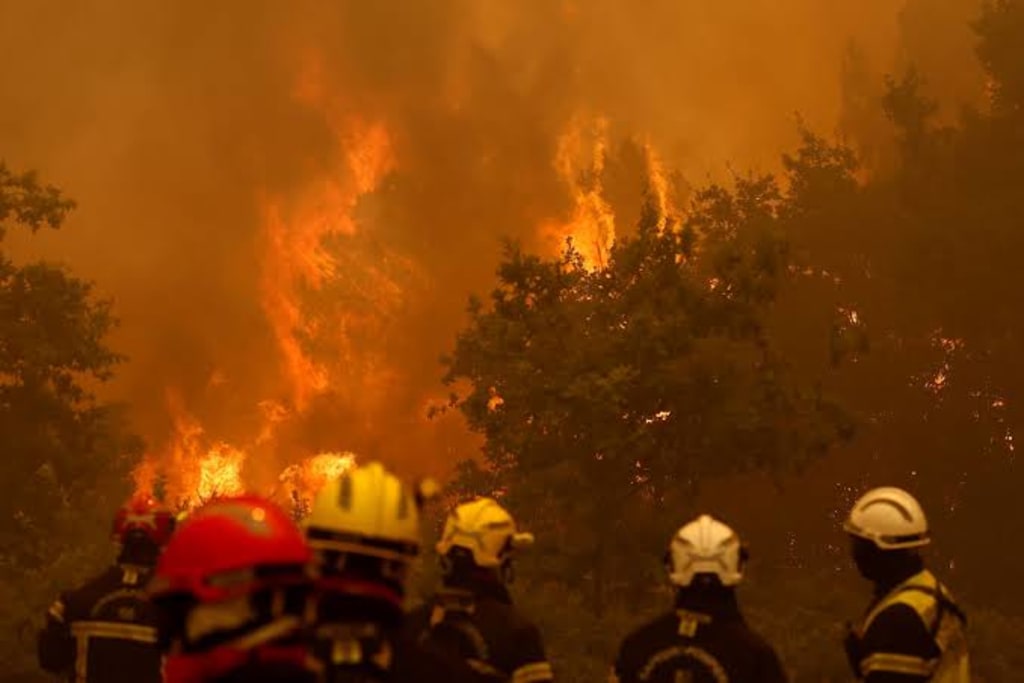
Wildfires have become an increasing concern for travelers visiting parts of Europe, especially popular destinations in France and Spain. Rising temperatures, dry conditions, and extreme weather events have increased the risk of fires during the summer months, creating challenges for local communities, emergency services, and tourists planning their holidays.
For many travelers, France and Spain remain among Europe’s most attractive destinations. From Mediterranean beaches and historic cities to mountain landscapes and countryside retreats, millions of visitors arrive every year. However, wildfire risks have added a new factor that tourists must consider when planning trips, particularly during periods of intense heat.
Southern France is one of the regions where wildfire threats are closely monitored. Areas along the Mediterranean coast, including parts of Provence, Occitanie, and other dry landscapes, can experience dangerous conditions when temperatures rise and vegetation becomes extremely dry. Strong winds can make fires spread quickly, sometimes leading authorities to close roads, restrict access to forests, or issue evacuation warnings.
Spain faces similar challenges, particularly in regions with hot summers and large areas of forest and farmland. Popular tourist areas, including parts of Catalonia, Valencia, Andalusia, and the Canary Islands, have experienced wildfire emergencies in recent years. While not every fire affects major tourist destinations, travelers may still experience changes to transport, outdoor activities, and local services.
One of the biggest impacts on travel plans is the possibility of temporary restrictions. Authorities may close hiking trails, national parks, beaches near affected areas, or rural attractions to protect visitors and firefighters. Tourists planning outdoor activities such as camping, cycling, or mountain trips should check local conditions before travelling.
Air travel can also be affected. Heavy smoke from large wildfires may reduce visibility around airports or create difficult conditions for aircraft operations. While major international airports usually continue functioning, smaller regional airports may experience delays depending on the location and severity of fires.
Road travel is another area where visitors should remain aware. Wildfires can lead to temporary road closures, especially in rural areas where emergency teams need access. Travelers renting cars or planning long road trips should monitor official traffic updates and remain flexible with their routes.
Hotels and tourism businesses in affected regions may also face challenges. Some properties may temporarily change operations if fires are nearby, while others may experience cancellations from concerned visitors. However, many tourist areas remain completely safe even when fires occur elsewhere in the country. The presence of wildfires does not mean an entire region is inaccessible.
Travel experts recommend preparation rather than panic. Visitors should research weather conditions, follow official safety guidance, and purchase appropriate travel insurance before departure. Insurance policies can provide protection against certain disruptions, although travelers should carefully review coverage details related to natural disasters.
Technology has made it easier for tourists to stay informed. Weather apps, government alerts, and local emergency websites can provide updates about fire risks and travel conditions. Many regional authorities also publish information about affected areas and safety recommendations.
Climate change is considered one of the factors contributing to more frequent and intense wildfire conditions. Longer periods of heat and drought create environments where vegetation dries out and becomes easier to ignite. Scientists have warned that Mediterranean regions may continue facing increased wildfire risks as global temperatures rise.
Despite these challenges, France and Spain continue to welcome millions of visitors safely every year. Tourism authorities and emergency services have developed stronger systems for prevention, monitoring, and response. Firefighting aircraft, satellite tracking, early warning systems, and trained emergency teams are used to reduce risks and protect communities.
For travelers, the key is awareness. A holiday does not necessarily need to be cancelled because of wildfire risks, but planning has become more important. Checking conditions before departure, avoiding restricted areas, and respecting local safety rules can help ensure a safer experience.
Wildfires also highlight the importance of responsible tourism. Visitors can help reduce risks by following regulations, avoiding activities that could accidentally start fires, and respecting environmental protections. Simple actions, such as following campfire rules and avoiding smoking in dry areas, can make a significant difference.
The future of travel in wildfire-prone regions will likely involve greater adaptation. Tourism industries may need to adjust seasonal planning, improve emergency communication, and develop strategies for dealing with extreme weather events.
For people planning trips to France and Spain, the message is not to avoid these destinations but to travel with greater preparation. These countries continue to offer remarkable cultural experiences, natural beauty, and hospitality. However, understanding wildfire risks and staying informed can help visitors enjoy their journeys while remaining safe.
As climate conditions continue to change, wildfires will remain an important consideration for European travel. The balance between enjoying popular destinations and respecting environmental realities will shape how tourists explore France, Spain, and other parts of the continent in the years ahead.
About the Creator
Enjoyed the story? Support the Creator.
Subscribe for free to receive all their stories in your feed.
Comments
There are no comments for this story
Be the first to respond and start the conversation.