
Hope Is a Good Thing
A Review of The Shawshank Redemption

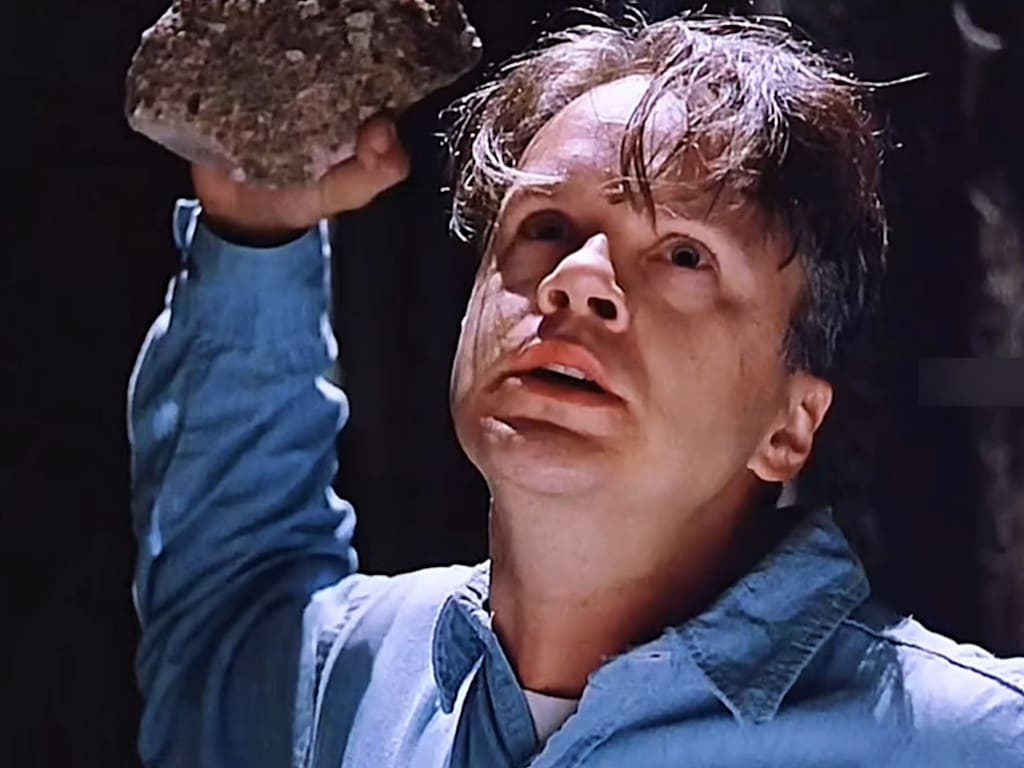
“Hope is a good thing, maybe the best of things, and no good thing ever dies.” This line is the soul of The Shawshank Redemption, a work that has moved countless people across time. Consistently ranked among the greatest films ever made, it is far more than a prison-break story. It is an epic of humanity — about hope, freedom, dignity, and redemption.
Within cold prison walls, in the depths of despair, it speaks to us with quiet power:
The real prison is not outside the body, but in the heart.
True redemption is not escaping hardship, but refusing to let the light inside go out, no matter how dark it gets.
The protagonist, Andy, was a promising banker wrongfully convicted of murder and sentenced to life at the notorious Shawshank State Penitentiary. The prison was heavily guarded, violent, and cruel; guards were ruthless, and prisoners’ lives meant nothing.
Most people would have collapsed, surrendered, or given up after falling from such heights. But Andy was different. Calm, quiet, and restrained, he showed no fear — only an unsettling peace. Unlike other inmates who screamed, begged, or complained, he was like a silent plant, quietly taking root in the poorest soil.
The early days in prison were a brutal crushing of human spirit. On the first night, one new prisoner broke down crying and was beaten to death by guards. Andy said nothing, preserving his last shred of dignity through silence. He knew anger was useless, resistance futile, tears worthless. In Shawshank, the only way to survive was to protect one’s inner self and not be consumed by darkness.
He then asked Red, the prison’s “guy who can get things,” for a small rock hammer — a tool others joked would take 600 years to dig through a wall. No one knew this tiny, unremarkable hammer would carve a path to freedom over nineteen long years.
Through decades of imprisonment, Andy never abandoned his love for life or his dignity. He endured abuse from the Sisters yet never bowed or compromised. Using his financial expertise, he helped the prison guards legally avoid taxes, earning his fellow inmates a moment of drinking cold beer on the rooftop.
Sunlight fell on their shoulders. For a moment, they were not prisoners — they were free men, fixing their own roof. Andy did not drink; he just sat and smiled. He proved that even in a cage, a person could still taste freedom and dignity.
One of the most breathtaking scenes came when Andy locked himself in the warden’s office and played The Marriage of Figaro over the prison loudspeakers. Every inmate stopped, looked upward, as if their souls were being lifted. Music transcended language, wealth, guilt, and punishment. It was beauty, freedom, and an undying light deep within humanity.
Andy was sent to solitary confinement for two weeks as punishment, yet he called it his most peaceful time. The music was inside him, and no one could take it away. He told Red:
“Hope is a good thing, maybe the best of things, and no good thing ever dies.”
But in Shawshank, hope was dangerous. Red, institutionalized after decades inside, warned Andy: “Hope is dangerous. Hope can drive a man insane.”
The walls of prison slowly devour one’s will: first you hate them, then you get used to them, finally you depend on them. Brooks was the saddest example. After fifty years inside, he could not adjust to the outside world and took his own life. He was physically free, but his soul had long lost the will to live.
Andy’s greatest virtue was that he redeemed not only himself but others. For six years, he wrote weekly letters to secure funding for the prison, turning a shabby storage room into the best prison library in New England. He taught inmates to read and write, helped them earn diplomas, and gently, firmly awakened the numb hearts around him. He made people believe again: one could live with dignity, hold hope, and yearn for beauty.
What sustained him through nineteen years was that silent, unshakable hope. Every night, while everyone slept, he dug at the wall behind the posters, hid the rubble in his trousers, and scattered it quietly in the yard during the day. Nineteen years. Day after day. No grand shouts, no reckless gambles — only steady, quiet persistence.
This was not recklessness or luck. It was clarity, patience, and certainty. He knew where he was going, and he knew the path had to be walked step by step.
Then came the stormy, thunderous night. Andy crawled through the tunnel he had dug himself, then through 500 yards of foul, filthy sewer. When he spread his arms in the pouring rain, letting the water wash over him, it was not recklessness — it was rebirth.
Nineteen years of humiliation, grievance, oppression, and perseverance all burst free in that moment. He broke free not only from the prison walls, but from all the injustice fate had forced upon him.
Free once more, Andy did not drown himself in revenge. Using his wits, he exposed the crimes of the corrupt guards and the warden, letting evil face its due punishment. He carried not hatred, but pure love for life. He headed for Zihuatanejo, Mexico — a place with no memories, only sunshine, beaches, and boats — living the free life he had once imagined.
And it was not only Andy who was redeemed. Red, after forty years in prison, had been fully institutionalized, just like Brooks. In his first two parole hearings, he begged and repented, yet was denied. The third time, indifferent and honest, he said, “I don’t care anymore” — and was unexpectedly set free.
After release, he walked the same path as Brooks: fear, confusion, disorientation, nearly meeting the same end.
But Andy did not forget him. A letter hidden under a black rock rekindled Red’s hope. The message repeated: “Hope is a good thing, maybe the best of things.” It finally awakened Red’s sleeping soul. He broke his chains and journeyed to Mexico. On the blue beach, the two old friends reunited and embraced. That scene was not an ending — it was a true beginning. Two souls, at last, fully redeemed.
What makes The Shawshank Redemption so moving is not the thrill of escape, but its gentle faith in humanity:
Circumstances can imprison the body, but never the mind or hope.
Fate can push you to the bottom, but it can never take away your right to stand up again.
Every one of us may walk into our own “Shawshank” at some point in life: unemployment, failure, loneliness, despair, crushed by life, worn down by reality, gradually surrendering, numbing ourselves, compromising.
Yet this film reminds us:
The scariest thing in life is never hardship, but abandoning hope.
The greatest power is never violence or rebellion, but inner peace and perseverance.
True freedom is not going wherever you want. It is keeping your soul independent and noble, no matter where you are.
True redemption is not being saved by others — it is refusing to give up on yourself.
“Some birds aren’t meant to be caged. Their feathers are just too bright.”
Andy was that kind of bird. He proved with his life that hope is not an empty slogan. It is the courage to keep going in darkness. It is the faith to believe in tomorrow even in despair. It is working quietly, waiting patiently, and never surrendering, even when no one is watching.
Hope is the best thing in the world.
And the best things never die.
This film remains a timeless classic not only because it tells a story behind bars, but because it tells the story of every human life. It tells us: no matter what you are going through right now, hold onto the hope in your heart.
As long as hope lives, there is always a way out.
As long as your heart faces the light, you will never truly be imprisoned.
May each of us, in our own lives, keep that light burning, carve our own path, and finally reach our own blue shore.
About the Creator
Enjoyed the story? Support the Creator.
Subscribe for free to receive all their stories in your feed.
Comments
There are no comments for this story
Be the first to respond and start the conversation.