
Folk, But Not As You Know It - Bruce Rosenblum's New Album "Never Too Late"
Songs of perspective, persistence and the quiet art of moving forwards.

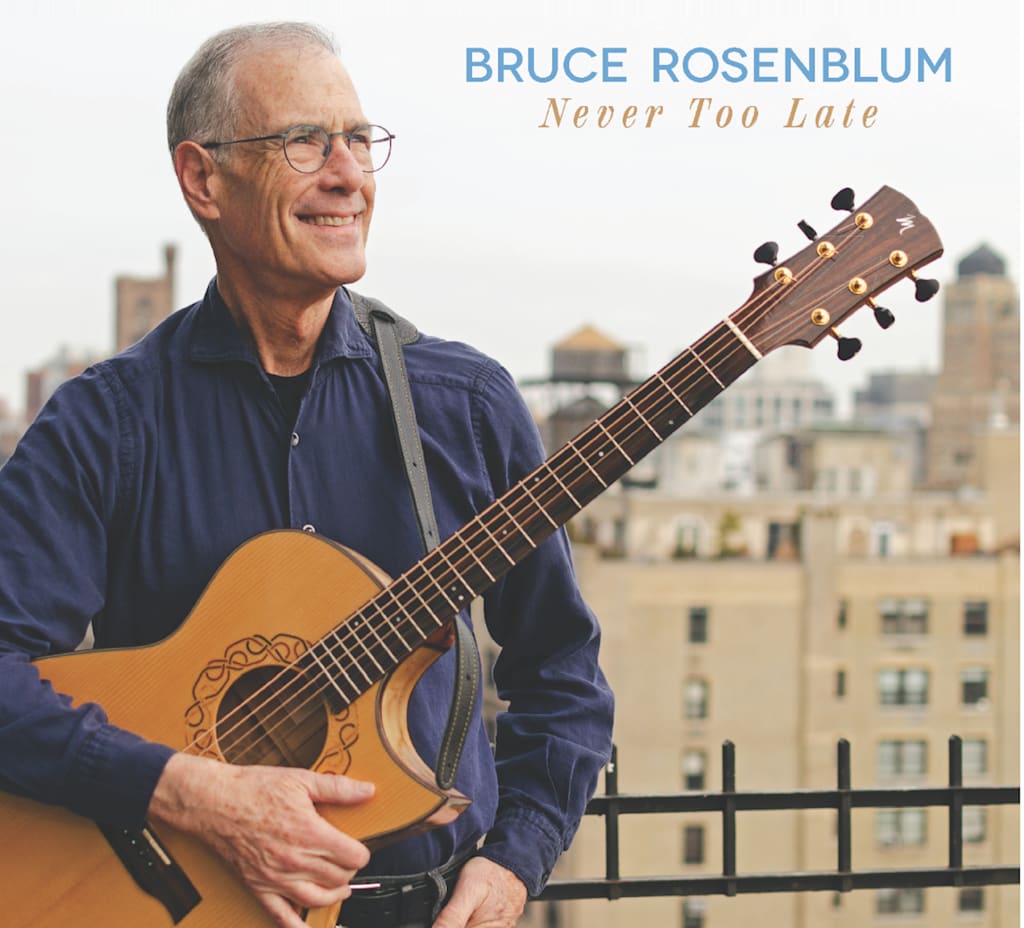
Singer songwriter music is not always known for stretching its boundaries. At its most predictable, it can lean heavily on familiar chord progressions, well-worn themes and an earnestness that rarely strays into new territory.
It is a genre that found its voice decades ago and, for many, has stayed comfortably within it. But every so often, an artist comes along who treats those traditions not as limits, but as a foundation. Something to build on, reshape and expand. Bruce Rosenblum is just such an artist, and Never Too Late is a quietly compelling example of that approach.
At first glance, the album might seem rooted in classic folk and folk rock sensibilities, but it doesn’t take long to realize that this is only the starting point. Rosenblum draws from a broad palette of influences, allowing jazz, country and classical elements to seep naturally into the songwriting. This is definitely music that feels more comfortable moving between styles without losing its center.
If “My Way Home,” which opens the album, sets the tone, it does so with a sense of lightness that proves deceptively effective.
Built around a fingerpicked progression with a subtle New Orleans jazz feel, the song tackles the familiar trap of overthinking: how easy it is to become stuck in one’s own head.
Written during the early months of the COVID lockdown, it reflects a shared moment of uncertainty but its message extends beyond that specific time. There’s a gentle humor at play here, a willingness to acknowledge hesitation without being weighed down by it. Musically, it mirrors that balance: clarinet lines drift in and out with ease, while acoustic bass and percussion provide a relaxed and unhurried groove.
The song marked one of the first creative sparks in Bruce Rosenblum’s return to songwriting in the summer of 2020. As with many of his compositions, it began with the music: a catchy, fingerpicked chord progression with a subtle New Orleans jazz feel. That musical character helped shape the tone of the lyrics, which aim to deliver a message without taking themselves too seriously, balancing introspection with playfulness.
The song's evolution from home recording to studio release reflects that same spirit. Early versions featured a kazoo duet and rough vocal harmonies, but the final recording replaces those with a standout clarinet performance by DC-area musician Seth Kibel. Rosenblum retained and expanded his own backing vocals, crafting tight, occasionally dissonant harmonies that add depth and personality. Anchored by acoustic bass from Cyndy Rice Elliott and percussion from Lucas Ashby, the track’s jazz-inflected groove ultimately helped earn it a Gold award in the Jazz/Blues category of the 2026 Mid-Atlantic Song Contest.
From there, the album begins to open outward, revealing its broader scope. The jazz leaning tracks have a looseness that is almost conversational, rhythms ebbing and flowing in a way that allows melodies to breathe. In contrast, the country tinged folk rock songs bring a more grounded energy, with touches of pedal steel, dobro and harmonica adding a sense of warmth and movement. Elsewhere, the ballads introduce a different kind of space altogether with classically influenced arrangements that add depth and texture without overwhelming the intimacy of the performances.
For example, the song "Undertow" emerged from a deeply reflective period in March 2021, when Rosenblum traveled to Cape Cod to help his family following the birth of his second grandson. While the occasion was joyful, it was also layered with personal stress and the ongoing weight of the pandemic. Days were spent walking along nearly deserted beaches, while evenings often found him experimenting musically on an old guitar in his son’s basement.
While the song works as an intimate piece, it revealed its full potential in the studio. The arrangement allowed Rosenblum to expand the sonic palette beyond what he could achieve solo, most notably through a haunting flute performance by his wife, composer Lori Laitman. Drawing on her classical background, Laitman adds a lyrical and textural dimension to the track, culminating in a striking flutter tongue passage at the close.
It was during one of those solitary walks that the song’s central metaphor took shape. Watching the ocean, Rosenblum was struck by the idea that beneath life’s calm, everyday surface lie powerful undercurrents: forces that can quietly pull us in directions we might not consciously choose. That image became the emotional and lyrical core of “Undertow."
The next track, "Tumbling Down" is rooted in a decade defined by division, taking inspiration from both contemporary political discourse and older more symbolic narratives. Written during the later years of the Trump presidency, the song reflects on the proliferation of both literal and metaphorical “walls”: barriers that separate people socially, politically and emotionally. Drawing loosely on biblical imagery alongside modern history, it delivers a clear message: meaningful progress requires those walls to come down.
Musically, the track leans into a folk-rock tradition that has long been associated with topical songwriting. There are echoes of the 1960s and 1970s in both its structure and intent, recalling an era when artists like Phil Ochs used music as a vehicle for commentary.
And if such variety might suggest a lack of focus, nothing could be further from the truth.
What holds Never Too Late together is a consistent sense of purpose. Rosenblum’s guitar and voice are at the heart of every track, providing a throughline that ties these different musical threads. His vocal style is understated, with clarity and phrasing over any unnecessary embellishment allowing the lyrics to do their work without distraction.
Themes of love, uncertainty and personal perspective appear throughout, often framed in a way that feels observational rather than declarative. There’s a sense that these songs are as much about asking questions as they are about answering them.
But ultimately, Never Too Late is less about reinventing the singer songwriter form and more about gently expanding it. It shows that even within a well established genre, there is still room for exploration, nuance and growth. And in doing so, Bruce Rosenblum delivers an album that is grounded and refreshingly open.
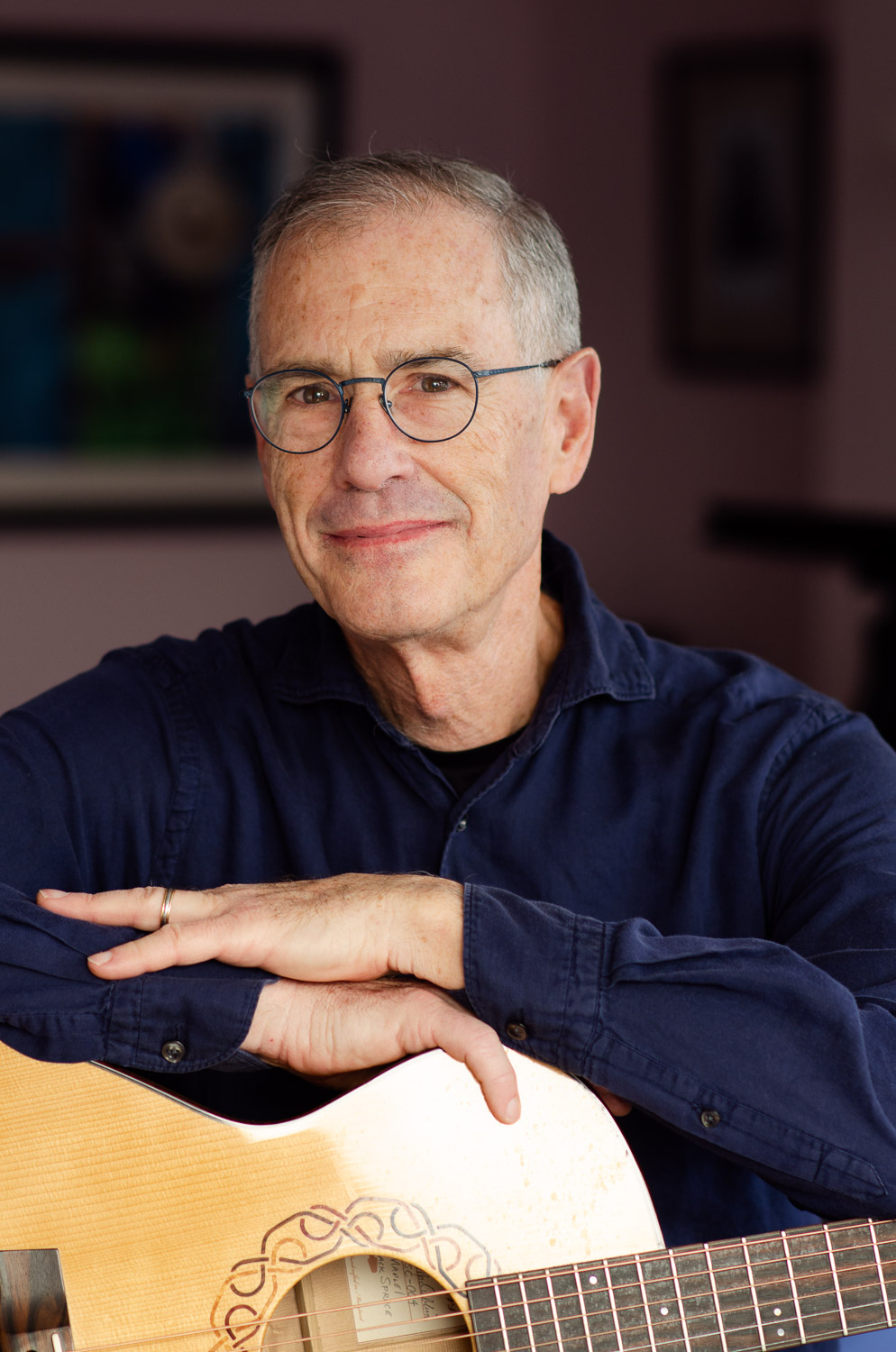
About Bruce Rosenblum
Bruce Rosenblum’s musical journey began early, performing in the Boston folk scene as a teenager before expanding into classical studies at Yale, where he trained as a bassist and served as music director of the Yale Whiffenpoofs.
After building a successful career in law and business, he maintained a lifelong connection to music through performance and arts leadership. In recent years, he has returned to songwriting with renewed focus, culminating in Never Too Late, a genre spanning album that reflects a lifetime of musical experience, blending folk, jazz and classical influences into a distinctive and thoughtful voice.
Find out more about Bruce Rosenblum on his Website
About the Creator
Whitney Miller
🌎 Adventurous & Musical
Stories shaped by places, music & life
Poetry, fiction, memoir & lived experience
Written without A.I.
© Whitney Miller
Enjoyed the story? Support the Creator.
Subscribe for free to receive all their stories in your feed.
Comments
There are no comments for this story
Be the first to respond and start the conversation.