
Fiddle Firsts: Which Came First, the Fiddle or the Violin?
Tracing the story behind two names for the same instrument


Before there was a violin, there was a fiddle.
Well... sort of. The history of bowed string instruments is much older and more complicated than just that. But as a violinist with over 20 years of playing experience, I recently stumbled on a fact that I found a little surprising.
That's where Fiddle Firsts begins.
This will be a regular series that explores the fascinating milestones, stories, discoveries, and little-known facts that have shaped the history of the violin and fiddle. Some may be surprising, some may be downright strange, and some might just give you a new way of looking at an instrument you thought you already knew.
So, let's start with the question that led me down this particular rabbit hole: What's the difference between a violin and a fiddle?
This is a question violinists and fiddlers hear all the time. And the short answer is that the two are physically one and the same. There can be subtle differences in how a fiddler might set up their instrument compared with how a classical violinist would. String choices, bridge height, and other aspects of the setup can vary depending on the style of music being played or the preferences of the player. But at its core, a violin is no different from a fiddle.
So why call it one or the other? For the most part, it comes down to musical traditions, genres, and context. If you're playing old-time, bluegrass, or Celtic styles, you're more likely to call it a fiddle. In a classical setting, violin is the more common term.
The distinction can be cultural, too. It's kind of like the difference between saying "you all" versus "y'all." Those pretty much mean the same thing, but the choice between them can tell you about the regional or cultural context you're in.
But here's where things get a little more interesting. Once I started looking into the history of violin, I discovered something I hadn't expected. It turns out the word fiddle is considerably older than the word violin. In fact, forms of the word fiddle reach back more than a thousand years.
There is some debate among linguists as to how the word came to be. But some of the earliest traces of it take us back to the early medieval period, far before the modern violin emerged. Some connected forms appear in Old Norse as fiðla and Old English as fiðele, with related words appearing across several Germanic languages. The earliest examples appear in records from roughly the 9th through 11th centuries.
By the Middle English period, the word had evolved into forms such as fedele, fydyll, and fidel. The Oxford English Dictionary's earliest known evidence for the noun fiddle dates to around 1275, in the writings of the English poet Laȝamon.
But these early instruments weren't exactly like the modern-day violin. In medieval Europe, fiddle could refer to a variety of bowed string instruments that were part of the tradition from which today's violin eventually emerged. These instruments came in a variety of shapes and sizes depending on where they were made and played, but were generally wooden, with strings stretched across a resonating body and played with a bow.
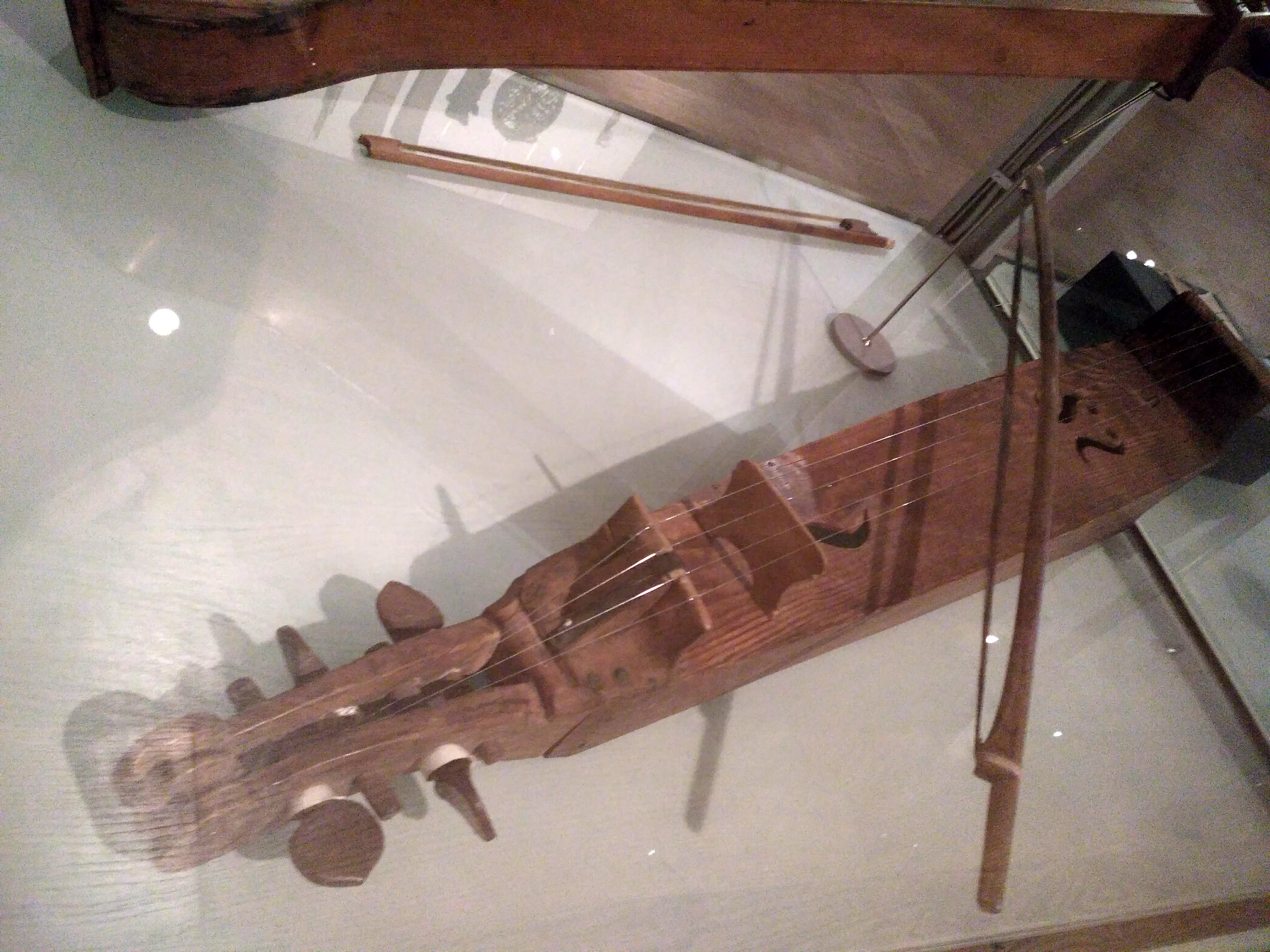
So if these early fiddle-type instruments existed long before the violin, when and where did the violin itself come from? This takes us forward several centuries, to Renaissance Italy.
The modern violin began to take shape in northern Italy during the 16th century, particularly in the cities of Cremona and Brescia. The earliest surviving violins date from this period, although the instrument didn't just appear out of thin air. It developed from a number of earlier bowed string instruments, including members of the viola da braccio family. These belonged to a much older European tradition of bowed strings, with roots reaching back to medieval forms such as the fiðla and fiðele.
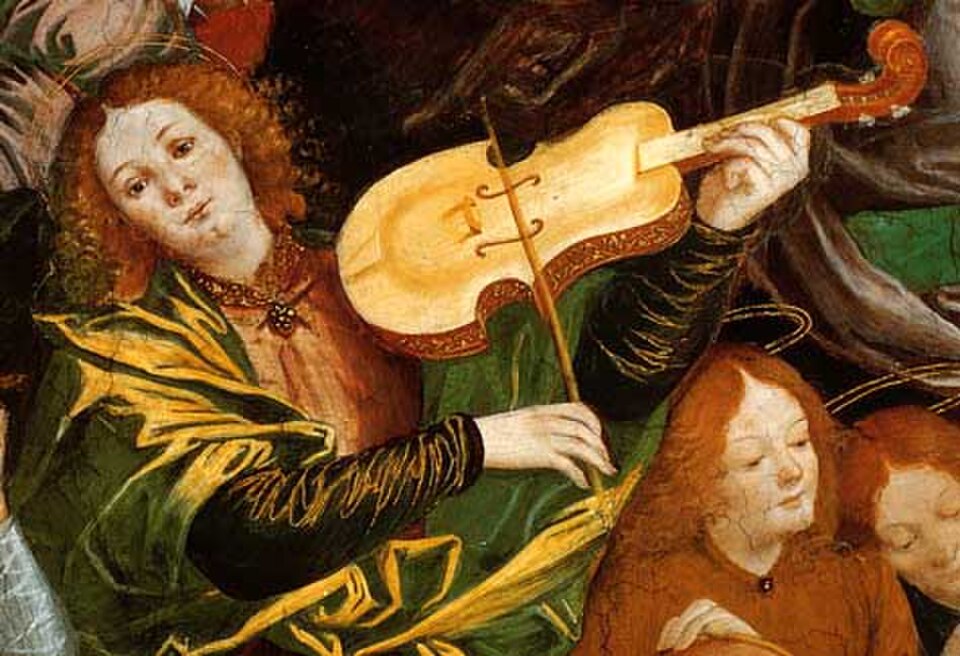
The word violin first appeared in English in the late 16th century, borrowed from the Italian violino. The name is essentially a diminutive of viola, meaning "little viola." The Oxford English Dictionary's earliest trace of violin comes from 1579, in the writing of an Irish poet and administrator named Edmund Spenser.
Today, the words fiddle and violin can be used interchangeably, with the choice largely reflecting the genre and cultural context.
So, while the modern violin may have emerged in Renaissance Italy, its story reaches back centuries earlier, to the medieval bowed string instruments associated with the origins of the word fiddle. In that sense, the fiddle really did come before the violin, even though the two words now mean one and the same.
About the Creator
Cate Calvert
Musician, sound healer, and creative soul. Find me on YouTube as Aligned Muse, and also as Cate and the Fiddle. Writing about music, sound, wellness, creativity, inner work, and wherever else my curiosity leads.
Enjoyed the story? Support the Creator.
Subscribe for free to receive all their stories in your feed.
Comments
There are no comments for this story
Be the first to respond and start the conversation.