
Why We Still Recognize Mastery
As visual culture accelerates, questions of mastery, coherence, and artistic ambition are returning to the forefront of contemporary art.

Walk into any major museum and an interesting phenomenon occurs.
Visitors stop.
Not in front of every artwork, and not always in front of the most famous ones. Yet certain works seem capable of slowing people down. Conversations become quieter. Attention becomes more focused. People stay longer than they intended.
The question is why.
We live in a time when images are more abundant than at any point in human history. Every day, millions of photographs, illustrations, videos, and digital artworks appear across screens worldwide. Visual content has become one of the most accessible resources on the planet.
And yet, despite this abundance, we still seem capable of recognizing something exceptional when we encounter it.
We may disagree about style. We may disagree about subject matter. We may even disagree about whether a particular artwork is successful. But most people instinctively understand the difference between something quickly produced and something deeply developed.
This distinction has little to do with nostalgia and even less to do with technology. It speaks to something more fundamental: our relationship with mastery.
Mastery is an unusual concept because it cannot be manufactured through declaration. It reveals itself indirectly.
We recognize it in architecture when every proportion feels inevitable.
We recognize it in music when complexity becomes effortless.
We recognize it in literature when a sentence appears simple despite carrying extraordinary weight.
And we recognize it in art when a work continues to reveal itself long after its first impression has passed.
The challenge for contemporary culture is that mastery often requires qualities that modern systems do not naturally reward. Patience. Discipline. Repetition. Long-term commitment. The willingness to spend years developing a language before presenting its results.
Speed attracts attention. Mastery develops in silence.
This may explain why conversations surrounding artistic excellence have begun to reappear in recent years. As technology accelerates production, attention increasingly shifts toward what cannot be automated: judgement, vision, coherence, and the ability to sustain complexity over time.
In the field of abstraction, these questions are particularly relevant.
For much of the twentieth century, abstraction explored freedom. Freedom from representation. Freedom from narrative. Freedom from inherited rules. Those explorations transformed the history of art and expanded the possibilities of visual language.
Today, however, a different question seems to be emerging.
What happens after freedom?
What happens when artists begin using abstraction not only to dismantle systems, but also to construct them?
This question sits near the center of discussions surrounding New Perfection in Systemic Abstraction. The movement has attracted attention for its emphasis on structure, coherence, and intellectual rigor, but perhaps its most interesting contribution is simpler.
It proposes that complexity and clarity are not opposites.
A sophisticated system does not have to appear chaotic. A profound idea does not require obscurity. Depth can coexist with elegance.
In many ways, this represents a broader cultural shift. Across multiple disciplines, there is growing interest in work that rewards sustained attention rather than immediate consumption. The value of an object increasingly depends not on how quickly it can be understood, but on how long it can remain intellectually active.
The most memorable works often possess this quality.
They do not surrender all their meaning at once.
Instead, they invite return visits. New observations. New interpretations. New relationships.
Years later, they continue to unfold.
Perhaps this is what people truly mean when they speak about artistic excellence. Not perfection in the conventional sense, but the creation of something capable of outlasting the moment in which it was made.
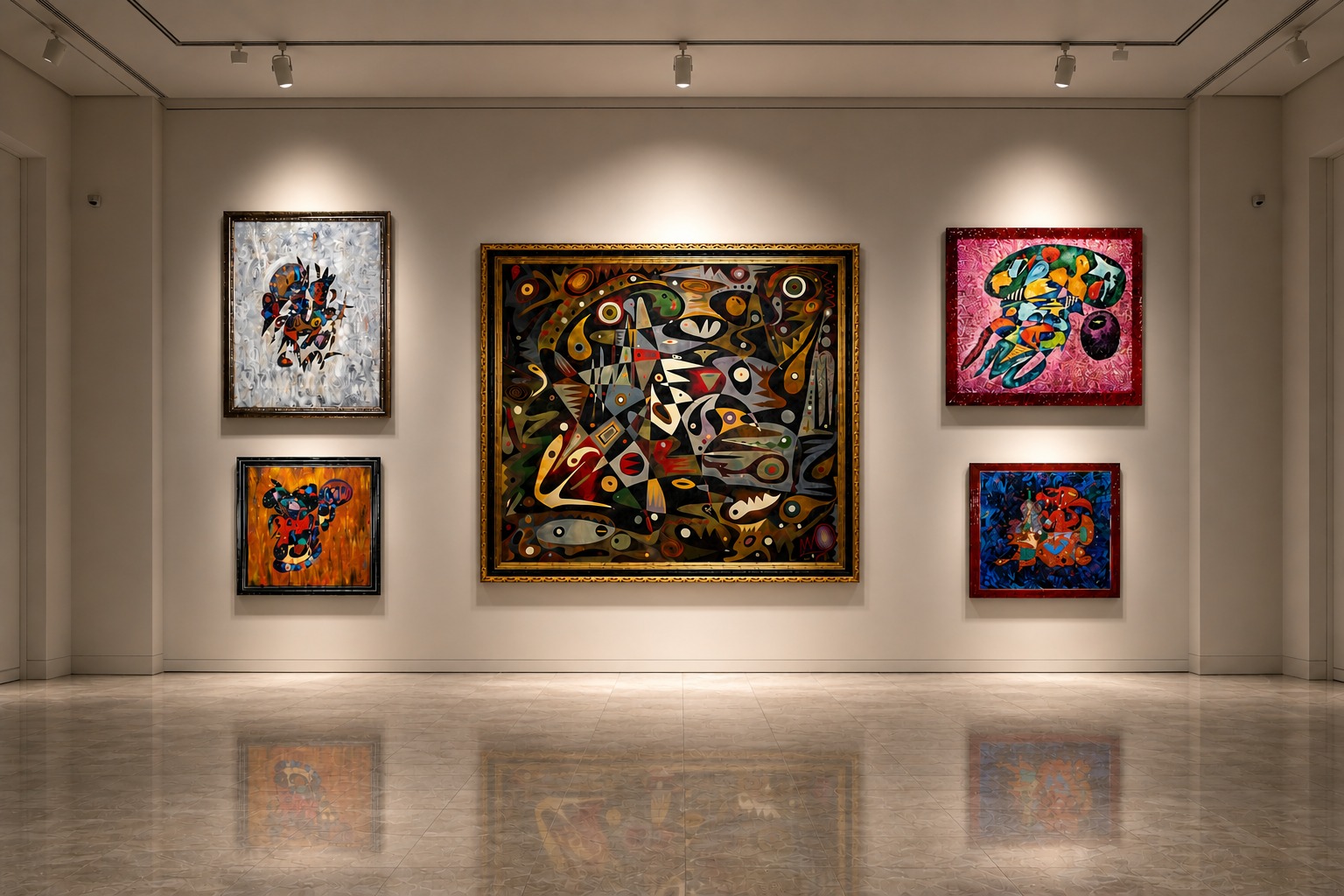
In an age defined by acceleration, that achievement may become more valuable than ever.
The future of art will undoubtedly involve new technologies, new materials, and new ways of seeing. Yet one thing seems unlikely to change.
We will continue to recognize mastery when we encounter it.
Not because we have been taught to admire it, but because genuine excellence leaves traces that are difficult to ignore.
About the Creator
Daniel Varzari
American art curator.
Enjoyed the story? Support the Creator.
Subscribe for free to receive all their stories in your feed.
Comments
There are no comments for this story
Be the first to respond and start the conversation.