
Ukiyo-e Nearly Disappeared. Then I Found the Artist Bringing It Back as Streetwear.
I don't know K's real name. Nobody does — but I know what they've made.
I don't know K's real name. Nobody does.
I first came across their work by accident, late one night, scrolling
through a small corner of the internet I don't even remember how I
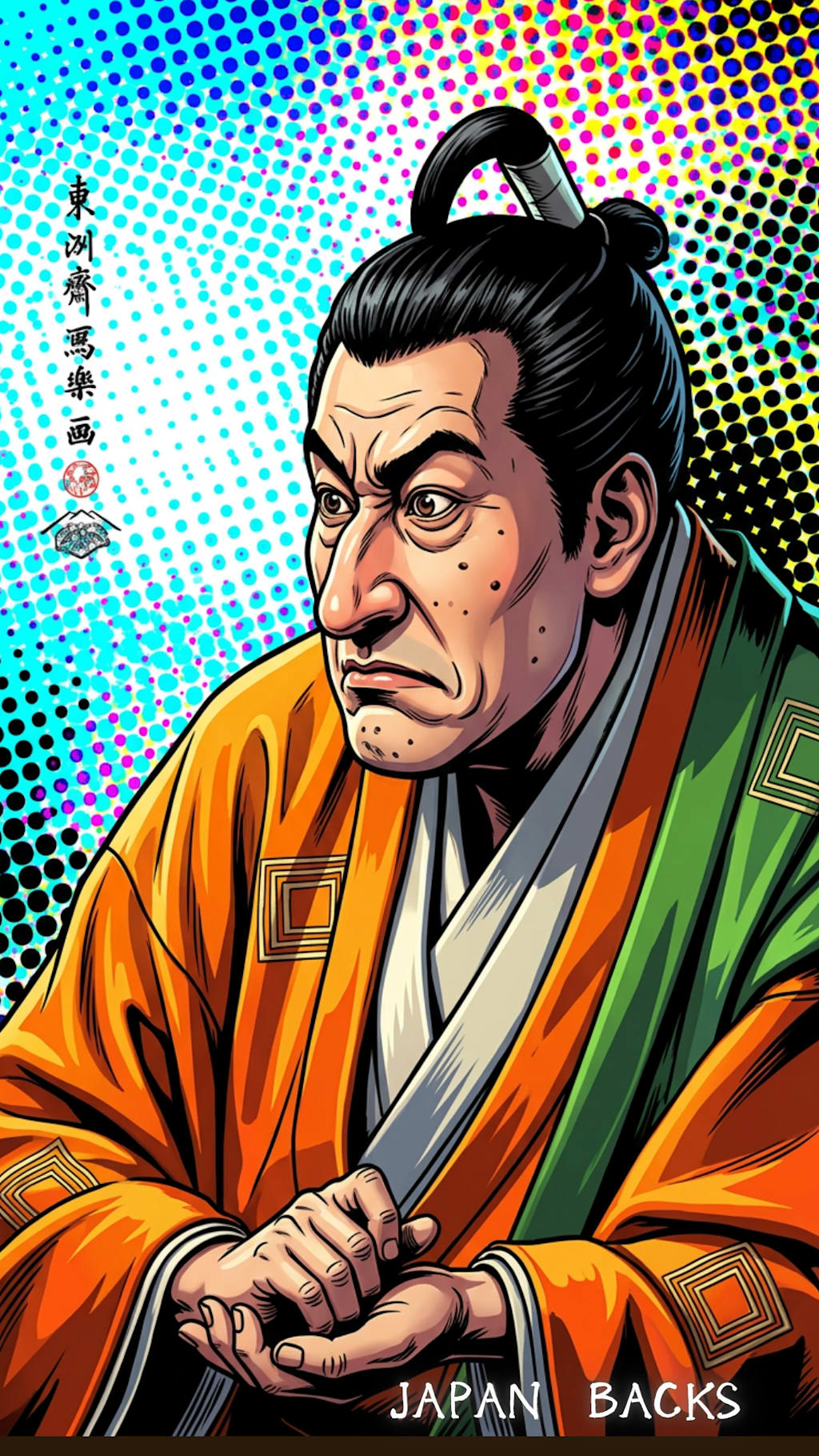
ended up in. A t-shirt design stopped my thumb mid-scroll — a kabuki
actor's face rendered in halftone dots and comic-book ink, like
Edo-period Japan had collided with a 1960s pop art poster. No brand
name I recognized. No influencer pushing it. Just the image, sitting
there, staring back at me with an expression that felt two hundred
years old and completely current at the same time.
I closed the tab. I reopened it twenty minutes later.
Then I found another piece. And another. Each one traced back to a
real piece of Japanese art — some over a hundred years old — reborn
through this one artist's hands into something that felt entirely new.
That's when I started paying attention to who "K" actually is.
THE ART NOBODY WAS SUPPOSED TO KEEP
Here's what most people don't know about ukiyo-e: it was never meant
to be fine art. In the Edo period, these woodblock prints were mass
-produced entertainment — cheap, disposable, sold to ordinary people
who wanted a picture of their favorite kabuki actor or a famous
courtesan, the same way someone today might buy a poster of a
musician they like.
Artists like Hokusai and Hiroshige weren't working in quiet galleries.
They were commercial illustrators, cranking out prints for a public
that consumed and discarded them constantly. It's almost accidental
that any of it survived at all.
And yet it did — and it traveled. When ukiyo-e prints reached Europe
in the 19th century, they helped ignite an entire movement art
historians now call Japonisme. Monet collected them. Van Gogh copied
them by hand. The flat perspective, the bold outlines, the unapologetic
color — it rewired how Western artists thought about composition itself.
Ukiyo-e was never precious. It was popular. It was everywhere,
and then it nearly wasn't.
WHAT K IS ACTUALLY DOING
What struck me about K's work is that it doesn't try to preserve
ukiyo-e behind glass. It does the opposite — it puts it back into
the same kind of everyday circulation it was born into. Not a museum
print. A t-shirt. Something you wear until it fades, the way the
original prints were bought, loved, and eventually thrown away.
Every piece K makes starts with a real historical artwork — a kabuki
actor's glare, a dancer caught mid-turn, a mountain no one is
walking toward. K doesn't redesign these images from scratch. K
reawakens them — layering in the visual language of modern pop art
and comic illustration until a 200-year-old woodblock print looks
like it just walked off a movie poster.
Nobody seems to know if K trained as a ukiyo-e restorer, or came up
through Tokyo's advertising world, or something else entirely. K
doesn't give interviews. There's no face attached to the name, no
studio tour, no artist statement. Just the work, released under a
project called JAPAN BACKS — and a rule I haven't seen broken yet:
no two pieces are ever printed the same way twice.
WHY THIS MATTERS MORE THAN A T-SHIRT
I keep coming back to this thought: ukiyo-e survived because it
refused to stay still. It moved from Edo street stalls to European
painters' studios to museum walls to, now, apparently, someone's
closet.
K's work isn't nostalgia. It's not cosplay of "traditional Japan"
for a Western audience. It's closer to what ukiyo-e always was —
popular art, made to be owned by ordinary people, not roped off
behind institutional walls.
I still don't know who K is. I don't think I'm supposed to. But I
know where to find what they've made — and now, so do you.
— JAPAN BACKS: https://japanbacks.etsy.com
About the Creator
Enjoyed the story? Support the Creator.
Subscribe for free to receive all their stories in your feed.
Comments
There are no comments for this story
Be the first to respond and start the conversation.