Techniques
The Magic of Korean Dramas: Dive into Kissaions, Dramacool, and Drama Bus TV
Korean dramas, popularly known as K-dramas, have taken the world by storm with their captivating storylines, charming actors, and cultural depth. Whether you're a fan of romantic tales, historical epics, or thrilling mysteries, platforms like Kissaions, Dramacool, and Drama Bus TV offer endless options to immerse yourself in this magical world.
By Drama Cool2 years ago in Art
Top Tools for DIY Photo Retouching and When to Hire a Professional
Living in the digital age, photo retouching has become an indispensable skill for photographers, marketers, and content creators alike. Be it enhancing your personal photos or preparing images for a commercial campaign, the right tools make all the difference. While many DIY photo retouching tools available today are accessible and easy to use, there are instances when professional retouching services become necessary to achieve a higher level of quality. The article will lead one through the best DIY photo retouching tools but will also indicate when hiring a professional photo retoucher might be better.
By Allison White2 years ago in Art
Discover the Best Rubber Mats for Every Need at gummimattenkaufen.de
Rubber mats are an essential addition to any space, offering functionality, safety, and style. Whether you need a durable mat for your home, a practical solution for your office, or heavy-duty flooring for an industrial area, gummimattenkaufen.de has you covered. With a focus on quality and customer satisfaction, we bring you a wide range of rubber mats designed to meet diverse needs.
By matteo lenzben2 years ago in Art
Transform Your Space: Top Interior Design Tips for 2025
Interior design trends evolve with time, reflecting societal shifts, technological advancements, and changing aesthetics. As we step into 2025, the focus on functionality, sustainability, and personalization in interior design is stronger than ever. Whether you’re planning a renovation, building your dream home, or simply refreshing a room, these design tips from Design with Trinity will help you create a space that resonates with modern trends while remaining timeless.
By Joseph Brown2 years ago in Art
Fashion Trends and Style Tips
Design is something other than dress; it's an impression of culture, individual articulation, and imagination. As patterns shift occasionally, remaining refreshed can be invigorating yet testing. Here, we investigate current style and give immortal style tips to assist you with looking easily stylish.
By AUTHER Naila2 years ago in Art
The Magic of Pencil Drawing: Unveiling the Soul on Paper
Introduction: A Whisper on Paper Grab your graphite wands, dear artists, because it's time to cast a spell on paper! Pencil drawing is more than a technique; it’s an intimate dance between imagination and reality. Every stroke of your pencil is like a whisper of your innermost thoughts, transforming blank pages into soulful conversations. The art of pencil drawing isn't merely about replicating what you see—it’s a powerful medium for self-expression, emotion, and discovery. Let's dive into the enchanting world of pencil art, where light meets shadow and your unique spirit finds its voice.
By mureed hussain2 years ago in Art
The Palais Garnier: A Masterpiece of 19th-Century Paris
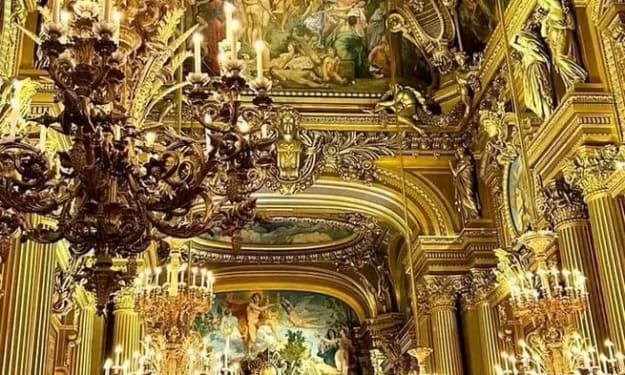
Nestled in the heart of Paris, the Palais Garnier stands as one of the most iconic and opulent symbols of 19th-century French architecture and culture. Commonly known as L'Opéra Garnier, this historic opera house, with its 1,979-seat capacity, has been a centerpiece of Parisian life since its inauguration in 1875. Commissioned by Emperor Napoleon III during the Second Empire, the Palais Garnier is more than just a venue for opera and ballet; it is a testament to the artistic and architectural ambition of its era. --- A Visionary Project The Palais Garnier was born out of necessity and grandeur. By the mid-19th century, the Paris Opera, then housed in the Théâtre de l'Académie Royale de Musique, required a new home. Napoleon III envisioned a grand structure befitting the cultural and political power of his regime. In 1861, Charles Garnier, a relatively unknown architect, won the design competition for the new opera house. His vision was a Beaux-Arts masterpiece that combined opulence, functionality, and cutting-edge construction techniques. Construction began in 1861 but faced numerous delays, including the Franco-Prussian War, the fall of the Second Empire, and the discovery of an underground lake beneath the site. This subterranean lake, immortalized in Gaston Leroux’s The Phantom of the Opera, required a complex drainage system and remains a fascinating part of the opera house’s lore. --- A Triumph of Beaux-Arts Architecture When it finally opened its doors in 1875, the Palais Garnier was hailed as an architectural triumph. Its design epitomized the Beaux-Arts style, characterized by grandeur, symmetry, and elaborate ornamentation. Garnier’s vision was to create a “palace of pleasure,” where every corner would dazzle and delight. The exterior of the building is a feast for the eyes. Its façade is adorned with sculptures, columns, and friezes, each element rich with symbolism. The twin gilded statues of Harmony and Poetry crown the structure, while busts of great composers like Mozart, Beethoven, and Rossini pay homage to the operatic art form. The grand staircase, a masterpiece of marble and gilded bronze, is as much a stage for the audience as the performers, designed to showcase the elegance and fashion of Parisian high society. --- Inside the Palais Garnier Stepping into the Palais Garnier is akin to entering a dreamscape of gilded splendor. The Grand Foyer, stretching nearly 60 meters long, rivals the Hall of Mirrors at Versailles in its opulence. Adorned with crystal chandeliers, frescoed ceilings, and gold-leafed accents, it offers a breathtaking space for audiences to mingle before performances. The auditorium, with its iconic horseshoe-shaped seating, is the heart of the Palais Garnier. It features plush red velvet seats and a proscenium arch dripping with gold ornamentation. Overhead, a 1964 modernist fresco by Marc Chagall graces the ceiling, juxtaposing the classical elegance of the space with vibrant, surrealist imagery. The stage itself is a marvel of 19th-century engineering, designed to accommodate elaborate set changes and large-scale productions. Beneath the stage lies the infamous underground lake, a relic of the site’s original construction challenges. This hidden feature adds an element of mystique to the opera house, inspiring tales and legends that have become part of its identity. --- Cultural Significance The Palais Garnier is not only an architectural masterpiece but also a cultural landmark that has played a pivotal role in the history of opera and ballet. It was the primary home of the Paris Opera until 1989, when the Opéra Bastille was inaugurated. Today, the Palais Garnier is primarily used for ballet performances, though it occasionally hosts opera and other events. Its influence extends beyond the realm of performing arts. The opera house has inspired countless artists, writers, and filmmakers. Gaston Leroux’s 1910 novel The Phantom of the Opera and its subsequent adaptations have immortalized the Palais Garnier in popular culture, adding an air of mystery and romance to its legacy. --- The Palais Garnier Today In the modern era, the Palais Garnier remains a must-visit destination for tourists and a cherished institution for Parisians. Its dual role as a functioning performance venue and a historical monument allows visitors to experience both the grandeur of its architecture and the artistry of its performances. Guided tours of the opera house provide insight into its history, architecture, and legends, while evening performances offer a chance to witness world-class ballet in one of the most breathtaking settings imaginable. The building’s gift shop and restaurant ensure that even casual visitors can take a piece of its magic home. --- A Timeless Legacy The Palais Garnier is more than just a building; it is a symbol of Paris’s enduring love for art, beauty, and culture. Its blend of architectural innovation, artistic grandeur, and historical significance make it a cornerstone of French heritage. Whether admired for its aesthetic splendor, appreciated for its artistic contributions, or explored for its hidden mysteries, the Palais Garnier continues to captivate and inspire all who encounter it. As one gazes upon the gilded statues, walks up the grand staircase, or listens to the echoes of a performance within its hallowed halls, it becomes clear why the Palais Garnier remains one of the world’s most celebrated opera houses. It is not merely a relic of the past but a living testament to the enduring power of art and the human spirit.
By Deji Akomolafe2 years ago in Art
Keeping The Art Simple
Different artists have different methods of drawing. Some prefer the block-of-wood method: They don't know what they are going to draw, but they'll know when they start drawing. Others take a more ordered approach and talk it out until they have an idea of what they want to do. And others just draw whatever they want, hoping it will fall into place. Some of these strategies are better than others, and you need to develop a strategy that works for you.
By Jamais Jochim2 years ago in Art
The Importance of Backgrounds
Most beginning artists debate drawing backgrounds because of the complexity; backgrounds can be intimidating so it's definitely understandable. However, you need to keep in mind that a background adds a lot to the comic; it can sometimes be subtle, sometimes obvious, but backgrounds can add a lot to the comic. Part of the debate about whether or not to have backgrounds needs to keep in mind what they bring to the table.
By Jamais Jochim2 years ago in Art