Sculpture
Turning Failure into Fuel for Success
Failure. It’s a word that most of us fear, a word that carries feelings of disappointment, shame, and regret. Yet, failure is also one of life’s greatest teachers. Many of the most successful people in history credit their failures as the moments that defined them, strengthened them, and ultimately led them to greatness. Turning failure into fuel for success is not just a nice idea — it is a necessary mindset for anyone who wants to achieve their full potential.
By Prasad Madusanka Herath2 years ago in Art
The Power of Persistence
Success is often seen as a destination, a final achievement that marks the end of a long journey. But when you look closer at the lives of successful people, you’ll find a common thread running through their stories — persistence. The power of persistence is what truly separates those who reach their dreams from those who give up halfway. It is the fuel that keeps the fire of ambition burning even when the winds of adversity try to extinguish it.
By Prasad Madusanka Herath2 years ago in Art
Sokher Hari
Sokher Hari: The God of Devotion and Longing in Bengali Folklore In the rich and diverse cultural tapestry of Bengal, few deities capture the essence of personal devotion and intimate spiritual longing quite like Sokher Hari. Often revered as a deeply personal manifestation of Lord Krishna, Sokher Hari occupies a special place in the hearts of rural and folk communities across Bengal, especially in regions like Nadia, Murshidabad, and parts of Bangladesh. The word "Sokher" comes from the Bengali word for "desire" or "longing," and "Hari" is another name for Krishna, meaning "one who takes away the sins or sorrows." Thus, Sokher Hari can be interpreted as "Hari of one’s personal longing," a form of Krishna that is intensely connected to the emotions and daily lives of his devotees. Origins and Belief Unlike the grand narratives found in classical scriptures like the Bhagavata Purana, the worship of Sokher Hari is rooted more in oral traditions, local songs, and personal experiences. It is believed that Sokher Hari represents Krishna in a highly affectionate and intimate form — not the cosmic king or the master strategist of Kurukshetra, but the playful, accessible divine friend and lover of the human soul. Devotees do not perceive Sokher Hari as a distant, omnipotent god. Instead, they see him as someone who lives among them, shares their joys and sorrows, and responds personally to their calls. The relationship between the devotee and Sokher Hari is informal, loving, and deeply emotional. It is this intimacy that makes the cult of Sokher Hari unique. Worship and Practices Sokher Hari is often worshiped through simple, heartfelt rituals rather than elaborate Vedic ceremonies. Devotees might set up small, homemade shrines adorned with flowers, earthen lamps, and hand-drawn images of Krishna. Offerings typically include sweets, fruits, and homemade dishes, reflecting the everyday nature of the devotion. One of the most distinctive aspects of Sokher Hari worship is the use of kirtan — a form of devotional singing — where groups gather to sing heartfelt songs about Krishna’s playful acts (leelas), his love for Radha, and his compassion for the world. These kirtans are often spontaneous, emotional, and filled with expressions of personal longing and love. Festivals dedicated to Sokher Hari, such as Raas Utsav or Dol Purnima, are celebrated with deep community involvement, often blurring the line between the spiritual and the social. In some villages, dramatic re-enactments of Krishna’s life — known as Raas Leela — are performed, bringing the myth alive in the language and experience of the people. Cultural Impact Sokher Hari worship has deeply influenced Bengali folk literature, music, and art. Many Baul singers, kirtaniyas, and folk poets have drawn inspiration from the themes of longing (viraha), divine love, and union found in the cult of Sokher Hari. Songs of the medieval poet Chandidas and the mystic Ramprasad Sen reflect this intense personal devotion. Moreover, the figure of Sokher Hari exemplifies an important aspect of Bengali spirituality: the democratization of divinity. Here, God is not locked within temples or scriptures but accessible in every home and every heart. The idea that one can develop a personal relationship with the divine — free from rigid rituals or social hierarchies — continues to inspire generations. Sokher Hari Today Though traditional Sokher Hari worship is most prominent in rural Bengal, its spirit persists even in modern urban environments. Small community gatherings, kirtans, and devotional festivals keep the tradition alive, adapting to new settings while retaining the core emphasis on love, intimacy, and longing. In an increasingly fast-paced world, the simple, profound connection between devotee and deity in Sokher Hari worship serves as a reminder of the timeless human need for personal connection, divine friendship, and emotional fulfillment. Sokher Hari is more than a deity — he is a companion, a beloved, and a confidant. His presence in Bengali culture reminds us that spirituality can be as close as a song from the heart, a whispered prayer, or a simple offering of love.
By Nabir Mondol2 years ago in Art
Incy Interiors: Redefining Small Space Living with Big Design Impact
Incy Interiors: Redefining Small Space Living with Big Design Impact Incy Interiors is revolutionizing the way we think about compact living. In an era where urban dwellings, tiny homes, and studio apartments are more popular than ever, the demand for innovative and functional design has never been higher. Founded by a team of passionate designers, Incy Interiors specializes in transforming limited square footage into stylish, comfortable, and highly efficient living spaces. By marrying aesthetics and practicality, Incy Interiors has quickly earned a reputation for delivering bespoke interior solutions that cater to the unique needs of clients who refuse to compromise on style or functionality, no matter how small their space may be.
By Incy Interiors2 years ago in Art
Shiv Murti Statue: A Timeless Symbol of Spiritual Power and Divine Presence
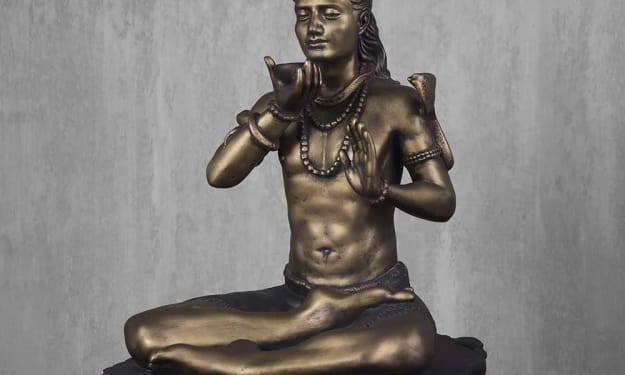
The Shiv Murti Statue is more than a work of art—it is a powerful representation of faith, serenity, and divine energy. Lord Shiva, known as Mahadev or the Destroyer in Hinduism’s holy trinity, is worshipped as the embodiment of transformation, cosmic rhythm, and spiritual balance. Whether placed in a temple, a home, or as a monumental public installation, a Shiv Murti invokes peace, strength, and sacred energy.
By Studio Renaissance2 years ago in Art
Shiv Murti Statue – A Majestic Symbol of Divinity and Spiritual Power
The Shiv Murti Statue, also known as the statue of Lord Shiva, stands as a powerful emblem of peace, spirituality, and cosmic strength in Hinduism. Whether found in temples, spiritual retreats, or open public spaces, a Shiv Murti commands attention with its serene expression and symbolic significance. It’s more than just a sculpture—it’s a sacred representation of the Supreme Being, admired and worshipped by millions around the world.
By Studio Renaissance2 years ago in Art
Mona lisa
The Mona Lisa: Leonardo da Vinci's Timeless Masterpiece Few works of art have captured the world’s imagination quite like the Mona Lisa. Painted over 500 years ago by the great Renaissance artist Leonardo da Vinci, the portrait has become one of the most famous and discussed paintings in history. From its mysterious subject to its theft in the early 20th century, the Mona Lisa has remained a source of fascination for artists, historians, and the general public alike.
By Rejuan Ratul2 years ago in Art
Shiv Statue: Symbol of Divine Power, Peace, and Presence
The Shiv Statue is more than just a sculpture—it's a spiritual symbol that represents the cosmic power, wisdom, and stillness of Lord Shiva, one of the principal deities of Hinduism. Whether placed in a temple, a home, or as a monumental installation, the presence of a Shiv statue radiates calm, energy, and devotion.
By Studio Renaissance2 years ago in Art