Sculpture
Why Govardhan Parikrama Is a Life-Changing Experience
In the holy land of Braj, deep in the heart of Uttar Pradesh, is Govardhan Hill, a hallowed place connected to Lord Krishna. Of the numerous spiritual traditions born in this place, Govardhan Parikrama is a walk of intense devotion, self-discovery, and inner calm. Thousands of pilgrims and seekers take the 21-kilometer circuit around Govardhan Hill every year, convinced that it is a symbolic and physical gesture of surrender to the divine.
By Jitendra Choudharyabout a year ago in Art
Early Buddhist Capitals of Ashoka’s Pillars
The Asoka Pillars are notable for a variety of reasons, not the least of which is them having been built by Asoka as a way of marking the area of his reign, so to speak. The monolithic statues were inscribed with Ashoka’s edcits, and reflected the Vedic concept of axis mundi, the pivot of the universe.
By Alex Brownabout a year ago in Art
Top Reasons to Include Disney Ceramic Décor in Your Store's Product Line
Stores must upgrade their catalogues with products that people are looking for. Disney ceramic décor stays in demand because customers enjoy well-made, familiar designs. These pieces brighten homes, offices and make perfect gifts them. Wholesale Disney ceramic décor for stores brings popular characters to shoppers. FUJIAN QUANZHOU QIHE INDUSTRY GROUP supplies Wholesale Disney ceramic collectibles with official Disney designs. These items help stores offer more, attract loyal customers, and stand out from the competition.
By Devis Colsabout a year ago in Art
The Sky Remembers Everything
A Boy Who Watched the Clouds In a quiet town surrounded by hills and open skies, lived a 13-year-old boy named Aiden Vale. He didn’t have many friends, but he loved the sky. Every day, he would lie on the grass, arms behind his head, and watch the clouds drift by.
By Muhammad Hayatabout a year ago in Art
Elevate Your Home with the Perfect Painting for Living Room Walls
Your living room is more than just a space—it's where comfort meets style, where guests are welcomed, and where your personality speaks through design. One of the most impactful ways to define this space is through the right Painting for Living Room walls. From calming neutrals to bold artistic expressions, paint can completely transform the look and feel of your living area.
By Studio Renaissanceabout a year ago in Art
Hanuman Ji in Brass: A Guide to Its Spiritual Importance and Everyday Blessings
When we hear the name Lord Hanuman, the first things that come to mind are strength, protection, and unshakeable faith. Hanuman Ji is not just a central character in the Ramayana but also a representation of devotion and energy.
By Ethnic India Handicraftsabout a year ago in Art
Nakshi Kantha
Nakshi Kantha: The Embroidered Legacy of Bengal Nakshi Kantha, the traditional embroidered quilt of Bengal, is much more than a household item—it is a canvas of dreams, memories, and cultural heritage, lovingly stitched by the hands of rural women for generations. With roots deeply embedded in the rural life of Bangladesh and West Bengal in India, Nakshi Kantha is a unique form of folk art that blends functionality with storytelling, transforming everyday cloth into a reflection of life’s joys, sorrows, and aspirations. Origins and History The word kantha simply means "quilt" in Bengali, while nakshi is derived from naksha, meaning artistic pattern or design. The tradition of kantha-making dates back to ancient times, with some historians tracing its origins as far back as the 1st or 2nd century BCE. However, the more recognized form of Nakshi Kantha took shape in the 19th century. Traditionally, Nakshi Kantha was created by repurposing old saris, dhotis, and lungis. Women would layer these worn-out fabrics and stitch them together using simple running stitches, often with colorful threads pulled from the borders of the original garments. What began as a way to recycle old clothes gradually evolved into a deeply personal and artistic expression of rural life. The Craft and Techniques The beauty of Nakshi Kantha lies in its simplicity. The primary stitch used is the running stitch, locally known as the "kantha stitch." However, artisans also incorporate other stitches such as chain, herringbone, and satin stitches to add variety and texture. The designs are typically drawn freehand, making each piece unique. Patterns range from geometric shapes and floral motifs to detailed depictions of daily village life, folklore, animals, religious symbols, and mythological tales. These motifs are not random; they often carry cultural symbolism or personal meaning. For instance, a lotus may symbolize purity, while a tree could represent life and continuity. Remarkably, most Nakshi Kantha artisans have no formal training. The skills are passed down from mother to daughter, along with stories, traditions, and a natural sense of design. Types of Nakshi Kantha Over time, various types of Nakshi Kantha have developed, based on their specific uses. Some of the most notable types include: Lep Kantha: Quilted wraps used for warmth. Sujni Kantha: Decorative quilts used during special occasions or as bedspreads. Baiton Kantha: Used for wrapping books and valuable items. Durjani or Thalia Kantha: Small wraps used to carry items or cover plates. Oaar Kantha: Pillow covers. Rumal Kantha: Napkins or handkerchiefs. Each type serves a distinct purpose, but all feature the characteristic embroidery techniques that define Nakshi Kantha. Cultural and Emotional Significance For rural women, making a Nakshi Kantha is more than just sewing—it is a meditative and emotional journey. Women often create these quilts as part of their wedding trousseau, stitching their hopes and dreams for married life into the fabric. Others craft them in memory of loved ones, using fabric from the clothing of the deceased, turning the quilt into a cherished keepsake. Because of this deeply personal nature, each Nakshi Kantha is a narrative—a stitched diary of the maker’s life. Themes of motherhood, nature, domestic scenes, and spirituality often dominate, offering a rich visual record of village life in Bengal. Revival and Modern Adaptations In the latter half of the 20th century, Nakshi Kantha began to decline due to industrialization and changing lifestyles. However, in the 1980s and 1990s, efforts to revive the art form gained momentum, led by NGOs and cultural organizations aiming to preserve traditional crafts and empower rural women. Today, Nakshi Kantha has moved beyond its utilitarian roots and found a place in modern fashion and interior design. Designers now incorporate kantha embroidery into sarees, kurtas, cushion covers, wall hangings, bags, and even Western clothing. This revival has created new economic opportunities for thousands of women, turning a traditional domestic skill into a viable livelihood. Bangladesh has embraced Nakshi Kantha as a symbol of national heritage. In 2008, it was awarded Geographical Indication (GI) status, recognizing its cultural significance and its unique connection to the region.
By Nabir Mondolabout a year ago in Art
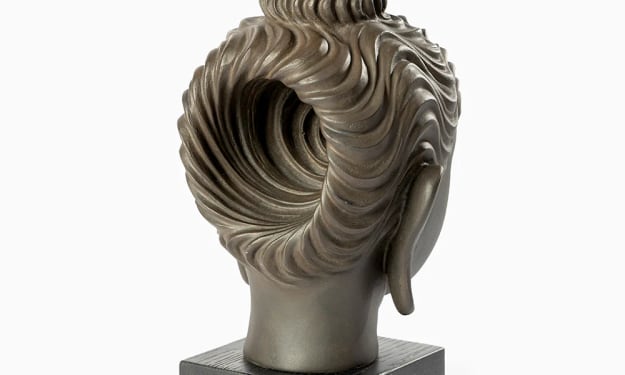
Buddha Statue for Home: Bringing Peace, Harmony, and Positive Energy
In today’s fast-paced world, creating a peaceful sanctuary within your home has become more important than ever. One of the most beautiful and meaningful ways to achieve this is by adding a Buddha Statue for Home. Beyond being a stunning piece of art, a Buddha statue embodies serenity, wisdom, and spiritual growth, inviting a calming energy into your living space.
By Studio Renaissanceabout a year ago in Art