Painting
Famous American Paintings
Nighthawks Edward Hopper American artist Edward Hopper created this artwork which became one of the best-recognized artworks in American history. The artist got inspired by a real place and painted the glass window of the diner larger than it actually was. The diner located in Greenwich Village in Manhattan, New York City has since been demolished.
By Rasma Raisters2 years ago in Art
Architects in Lahore: Experts in Creating Functional Elegance
Lahore, known for its rich cultural heritage and modern urban landscape, is home to some of the most talented architects in the country. Whether you’re planning a residential project, commercial space, or a renovation, choosing the right architects in Lahore can make all the difference. These professionals not only bring your vision to life but also ensure that the design is both functional and aesthetically pleasing. Let’s delve into what makes the best architects in Lahore stand out and how to select the perfect team for your project.
By harrywilliam2 years ago in Art
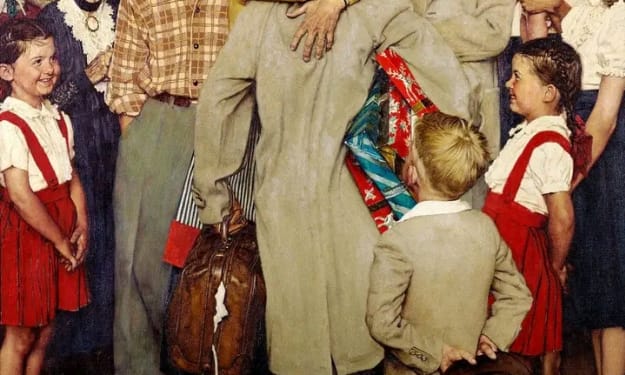
A Norman Rockwell Christmas: The Saturday Evening Post, December 25, 1948
Few artists have captured the spirit of American life quite like Norman Rockwell. His illustrations for The Saturday Evening Post remain iconic, offering heartwarming glimpses into mid-20th century America. One of his most beloved works graced the cover of the December 25, 1948 issue of the Post, a festive scene that tells a story of family, joy, and the warmth of Christmas without the need for obvious holiday symbols. In this painting, Rockwell's genius lies in his ability to evoke the magic of Christmas through human connection, vibrant emotion, and subtle details. The Scene: A Homecoming Full of Cheer At first glance, the artwork may not immediately scream "Christmas." There are no Christmas trees, ornaments, or overt holiday decorations. Instead, Rockwell uses the smiles and expressions of his characters, coupled with a few splashes of bright red paint, to create a festive atmosphere. The focal point of the painting is a joyous family reunion. Son Jarvis, fresh from school, has just arrived home and is enveloped in the loving embrace of his mother, Mary. The warmth of her hug speaks volumes, conveying the deep bond of family and the excitement of the season. To the right of them, Rockwell himself appears, adding a personal touch to the painting. His presence as both the creator and participant makes this work uniquely intimate. Meanwhile, the rest of the family and friends gather around, their faces glowing with happiness. Meet the Cast: Family and Friends Rockwell's works often feature real-life individuals, and this painting is no exception. Each character in the scene has a story and a connection to the artist: - Peter Rockwell: Rockwell’s eldest son, Peter, stands in the left corner, easily recognizable by his eyeglasses. His expression is one of quiet contentment, embodying the calm joy of being surrounded by loved ones. - Tom Rockwell: The second son, Tom, stands out in his plaid shirt, a youthful figure adding energy to the composition. - Jarvis Rockwell: The youngest son, Jarvis, takes center stage in the arms of his mother, Mary. His arrival is the catalyst for the joyous celebration depicted in the scene. - Mary Rockwell: Norman Rockwell's wife, Mary, radiates warmth and love, her embrace becoming the heart of the painting. - Norman Rockwell: Standing to the right of Mary and Jarvis, Rockwell inserts himself into the scene, smiling and engaging in the shared joy of the moment. In the upper left corner, two notable figures observe the scene: - Mead Schaeffer: A fellow Post illustrator and Rockwell’s close friend, Schaeffer appears as an admiring guest. His inclusion hints at the camaraderie shared between artists during this golden age of illustration. - Grandma Moses: The famed folk artist Grandma Moses adds another layer of charm and authenticity to the painting. Her quiet, observational presence connects the scene to a broader sense of tradition and artistic community. The Subtle Magic of Rockwell’s Composition Rockwell was a master of detail, and every element in this painting is carefully chosen to enhance the story. The bright red paint—a scarf here, a ribbon there—acts as a visual cue, subtly reminding viewers that this is a Christmas scene. These small touches are balanced with the warm tones of the clothing, faces, and background, creating a harmonious composition. The arrangement of the figures draws the eye to the central embrace between Mary and Jarvis. The semi-circular grouping of characters around them mirrors the shape of a wreath, reinforcing the theme of togetherness and celebration. Rockwell’s trademark realism is evident in the lifelike expressions of each individual. He captures not just their faces but their personalities and emotions, making the painting feel alive. The viewer can almost hear the laughter and feel the warmth of the gathering. A Universal Message This illustration transcends its time, resonating with audiences decades later. The focus on family, love, and human connection is timeless, reminding us that the true essence of Christmas lies in the joy of being with those we hold dear. Rockwell's ability to depict a scene that is both personal and universal is what makes this painting so enduring. It’s not just a snapshot of his own family but a mirror in which viewers can see their own traditions and loved ones. The Legacy of Rockwell’s Holiday Art The December 25, 1948 cover of The Saturday Evening Post is just one example of how Norman Rockwell captured the spirit of American holidays. Over the years, his Christmas illustrations have become synonymous with the warmth, nostalgia, and joy of the season. Rockwell’s art invites us to slow down and savor the simple moments: a mother’s embrace, a father’s smile, the laughter of siblings reunited. It reminds us that these moments are the true gifts of the season. Conclusion Norman Rockwell’s December 25, 1948 painting for The Saturday Evening Post is a masterclass in storytelling through art. With no need for extravagant decorations or clichés, Rockwell brings the magic of Christmas to life through genuine emotion and thoughtful composition. As we look at this artwork today, we are reminded that the true beauty of Christmas lies not in the gifts or decorations but in the love and joy we share with those closest to us. In this timeless painting, Rockwell has given us a gift that continues to inspire and uplift, year after year.
By Deji Akomolafe2 years ago in Art
The Future Of Living Spaces
Ever walked into a room and felt like the walls screamed elegance? Walls truly narrates the story of the past and promises of the future. The interaction of interior styling and architectural designs brings on the board a magic which ultimately grows into becoming a trend.
By Dezine innovation2 years ago in Art
The Mummy Portrait of a Man from Fayum: A Glimpse into Roman Egypt
In the arid deserts of Egypt lies an extraordinary artistic tradition that bridges the gap between two distinct cultural worlds: ancient Egypt and imperial Rome. Among the most fascinating remnants of this cultural fusion are the mummy portraits, strikingly lifelike depictions of individuals painted on wooden panels or linen shrouds. One such masterpiece, the Mummy Portrait of a Man, dating to the 2nd or 3rd century CE, now resides in the Ny Carlsberg Glyptotek in Copenhagen. This portrait is not merely a piece of art—it is a window into the past, revealing the rich cultural and social fabric of Roman Egypt. --- Mummy Portraits: A Fusion of Traditions The mummy portraits, also known as Fayum portraits, take their name from the Fayum Basin, a fertile region west of the Nile where many of these artworks were discovered. While their origins are rooted in ancient Egyptian funerary practices, they also reflect the influence of Roman art, which emphasized naturalistic representation. During this period, Egypt was a province of the Roman Empire, and the blend of Egyptian and Roman cultures is evident in these portraits. They replaced traditional Egyptian funerary masks, which were often stylized and symbolic, with more individualized and lifelike images of the deceased. --- A Detailed Look at the Portrait The Mummy Portrait of a Man from the Ny Carlsberg Glyptotek is a captivating example of this artistic tradition. Painted on a wooden panel using the encaustic technique—a method that involves mixing pigments with hot beeswax—the portrait displays remarkable detail and realism. 1. The Subject: The man in the portrait appears to be in his 30s or 40s, with sharp, expressive features. His almond-shaped eyes, framed by thick brows, gaze directly at the viewer, creating an intimate connection. His short-cropped hair and neatly trimmed beard reflect the fashion of the time, indicating his Roman cultural influences. 2. Clothing and Status: He wears a tunic with a purple clavus, a vertical stripe often associated with high social status. This detail suggests that he was a member of the elite or an individual of considerable means. 3. Artistic Techniques: The use of light and shadow gives his face a three-dimensional quality, emphasizing the skill of the artist. The encaustic medium, with its vibrant colors and durability, enhances the lifelike quality of the portrait, allowing it to retain its brilliance for nearly two millennia. --- The Purpose of Mummy Portraits Mummy portraits served both artistic and spiritual purposes. They were attached to the mummies of the deceased, placed over the face or incorporated into the wrappings. For the ancient Egyptians, preserving the body and ensuring the soul's safe passage to the afterlife were paramount. The inclusion of a lifelike portrait added a new dimension to these beliefs, blending Egyptian notions of eternity with Roman ideals of individualism and legacy. The portraits also provided a lasting representation of the deceased as they wished to be remembered—youthful, dignified, and at their best. --- Roman Egypt: A Cultural Melting Pot Roman Egypt was a unique blend of cultures, where Greek, Roman, and Egyptian traditions coexisted and influenced one another. The Mummy Portrait of a Man exemplifies this cultural synthesis. - Egyptian Influence: The portrait's association with mummification and its role in funerary rites are deeply rooted in Egyptian traditions. - Roman Influence: The naturalism and individuality of the portrait reflect Roman artistic preferences, which favored realism over abstraction. This blend of influences created a distinct artistic style, one that continues to captivate art historians and archaeologists today. --- The Ny Carlsberg Glyptotek and Its Significance The Ny Carlsberg Glyptotek in Copenhagen houses one of the finest collections of mummy portraits outside Egypt. This portrait, like others in the collection, is a testament to the museum’s commitment to preserving and showcasing the art and history of ancient civilizations. The Mummy Portrait of a Man stands as a centerpiece of the collection, offering visitors a direct and personal connection to an individual who lived nearly 2,000 years ago. --- The Legacy of the Fayum Portraits The Fayum portraits, including the Mummy Portrait of a Man, are celebrated for their unparalleled realism and emotional depth. They have inspired countless artists and scholars, influencing modern portraiture and deepening our understanding of ancient societies. These portraits are more than just works of art—they are historical documents that preserve the identities and stories of individuals from a bygone era. Each brushstroke and detail tells a story of life, death, and the enduring human desire to be remembered. --- Conclusion The Mummy Portrait of a Man from Fayum is a timeless masterpiece, reflecting the artistic and cultural richness of Roman Egypt. Its lifelike quality, cultural significance, and spiritual purpose make it an enduring symbol of the era’s complexity and innovation. As we gaze into the painted eyes of this man, we are reminded of the universality of human emotions and aspirations. He lived in a world vastly different from ours, yet his portrait speaks to us across the centuries, bridging the gap between the past and the present with remarkable clarity and beauty.
By Deji Akomolafe2 years ago in Art
The Power of Gratitude: Lessons from a Simple Pair of Shoes
In 1946, a photograph captured a moment of pure, unfiltered joy. It was the face of Werfel, a six-year-old Austrian boy, holding his first pair of new shoes. Separated from his parents and living in an orphanage in post-war Vienna, Werfel’s life had been marked by loss and hardship. Yet, the gift of something as simple as new shoes, provided by the American Red Cross, brought a radiant smile to his face—a moment that still resonates with us today. This image isn’t just a historical relic; it’s a profound reminder of gratitude. Werfel’s joy teaches us a universal truth: gratitude is transformative. It’s not about the size or value of what we receive but the act of appreciating what we have, no matter how small. In a world that often glorifies excess, Werfel’s story encourages us to reevaluate our relationship with gratitude, humility, and kindness. Gratitude Amid Hardship Post-war Europe was a continent scarred by conflict. Cities lay in ruins, families were displaced, and resources were scarce. For children like Werfel, life in an orphanage was bleak, a stark contrast to the stability many of us take for granted. When the American Red Cross stepped in to provide aid, they didn’t just offer material goods—they gave hope. The photograph of Werfel’s joy reminds us that even in the darkest times, gratitude can serve as a light. It’s a lesson we can apply in our own lives. Often, we get so consumed by our challenges that we fail to see the blessings hidden amidst the chaos. Gratitude shifts our focus from what we lack to what we have, fostering resilience and optimism. Why Gratitude Matters Gratitude is more than a fleeting feeling; it’s a mindset that can transform how we experience the world. Scientific studies have shown that practicing gratitude can improve mental health, enhance relationships, and even boost physical well-being. It cultivates a sense of abundance, helping us focus on the positives in our lives rather than dwelling on the negatives. Werfel’s smile, sparked by a simple pair of shoes, is a testament to this truth. It’s easy to dismiss small acts of kindness or generosity as insignificant, but they have the power to ripple through someone’s life in profound ways. When we express gratitude, we not only acknowledge these acts but also inspire more kindness in return. Teaching Gratitude to Future Generations Werfel’s story carries a message that transcends time and geography. It’s a reminder to teach our children the value of gratitude. In an age of instant gratification and endless consumerism, it’s easy for young people to lose sight of what truly matters. Parents and educators play a crucial role in nurturing a mindset of thankfulness. Here are a few practical ways to instill gratitude in children: 1. Model Gratitude: Children learn by example. Show them what gratitude looks like by expressing it openly. Whether it’s thanking a server at a restaurant or writing a thank-you note, let them see gratitude in action. 2. Practice Together: Create rituals that encourage gratitude, like sharing something you’re thankful for at the dinner table or keeping a family gratitude journal. 3. Give Back: Involve children in acts of service, such as volunteering at a shelter or participating in donation drives. Experiencing the joy of giving helps them appreciate what they have. 4. Teach Perspective: Share stories like Werfel’s to help children understand that not everyone has the privileges they enjoy. This awareness fosters empathy and gratitude. Living a Grateful Life As adults, we often forget to practice gratitude amid the busyness of daily life. Werfel’s story invites us to slow down and reconnect with this vital habit. Here are a few ways to incorporate gratitude into your routine: - Start a Gratitude Journal: Each day, write down three things you’re thankful for. Over time, this simple practice can shift your perspective. - Express Thanks: Make it a point to thank someone every day, whether it’s a colleague, a family member, or a stranger. Your words might mean more to them than you realize. - Be Present: Gratitude flourishes in the present moment. Take time to appreciate the small joys around you—a sunrise, a warm cup of coffee, or a kind word from a friend. The Ripple Effect of Gratitude Werfel’s story is a powerful reminder that gratitude isn’t just about what we feel; it’s about how we act. When we approach life with a thankful heart, we inspire those around us to do the same. Gratitude breeds humility and kindness, qualities that can transform not only our personal lives but also our communities. As we approach the end of the year—a season traditionally marked by reflection and giving—let Werfel’s smile remind us of the power of gratitude. It’s the perfect time to pause, count our blessings, and share our appreciation with others. Teach your children. Remind your friends. Live it out before your family. Gratitude shines the soul, illuminating the beauty of humility and kindness. And just like Werfel’s smile, it has the power to touch hearts, inspire change, and leave a legacy of hope.
By Deji Akomolafe2 years ago in Art
How Art Changed My Life: A Journey of Transformation and Growth
How Art Changed My Life: A Journey of Transformation and Growth Can art really change someone's life? As a college student, I never thought art would have such a big impact on me. It started as a simple hobby but grew into a journey that changed my life and how I see the world.
By brahimsamlali 2 years ago in Art
Kitchen Cabinet Painting Ideas Made Simple. AI-Generated.
Updating your kitchen doesn’t have to cost a fortune. If you’re wondering about the cost to paint kitchen cabinets, it’s often much cheaper than replacing them entirely, making it a budget-friendly option. A fresh coat of paint on your cabinets can completely transform the space. Here are some simple and fun ideas for painting your kitchen cabinets.
By Emilio Hidalgo2 years ago in Art
Cafes on Canvas
Café Terrace at Night Vincent van Gogh Dutch post-Impressionist artist Vincent van Gogh created this oil-on-canvas painting in 1888. It was painted in Arles, France where the artist set up his canvas on the north-eastern corner of the Place du Forum. From there he could see the artificially lighted patio of the popular coffee shop. In the painting, you can see the darkness of the Rue de Palais and the tower of a former church which is today the Musee Lapidaire. The painting can be seen at the Kroller-Muller Museum in Otterlo, The Netherlands.
By Rasma Raisters2 years ago in Art
Christina’s World: A Masterpiece of American Realism
Andrew Wyeth’s painting, Christina’s World, is one of the most iconic and enigmatic works in American art. Painted in 1948, it captures a moment of stillness and introspection that has captivated audiences for decades.
By Canva Artworks2 years ago in Art