Inspiration
The Rise of Digital Art: A New Era of Creativity
Digital art has revolutionized the way we create and experience visual art. With the rise of advanced software, AI tools, and digital platforms, artists today have more freedom than ever before. This new era of creativity blurs the line between traditional techniques and technological innovation, opening up endless possibilities for artistic expression. In this article, we will explore the history of digital art, its key forms, famous digital artists, and how it is reshaping the future of the art industry. --- 1. The Evolution of Digital Art Digital art may seem like a recent phenomenon, but its roots go back to the 1960s when computers were first used to generate images. Early Digital Experiments: In the 1960s, artists like Harold Cohen created computer-generated art. In the 1980s, personal computers allowed more artists to experiment with digital tools. The 1990s saw the rise of Photoshop and digital painting software. The Internet’s Influence: Online platforms allowed digital artists to share their work globally. NFTs (Non-Fungible Tokens) emerged, changing how digital art is bought and sold. Digital art has evolved from simple pixel-based images to complex, interactive experiences. --- 2. Types of Digital Art Digital art is not limited to one style or technique. Here are some major forms: Digital Painting: Created using software like Photoshop, Procreate, or Corel Painter. 3D Art and Sculpting: Used in video games, animation, and virtual reality. AI-Generated Art: Tools like Midjourney and DALL·E allow AI to create unique artworks. Pixel Art: A retro style used in video games and illustrations. NFT Art: Digital collectibles that exist on the blockchain. Each of these forms pushes the boundaries of traditional art and introduces new ways to create and sell artworks. --- 3. The Impact of Digital Art on Artists and the Art Market The rise of digital art has transformed the way artists work and how art is valued. More Accessibility: Anyone with a computer or tablet can become a digital artist. Faster Creation Process: Artists can experiment and modify artworks instantly. Global Exposure: Digital platforms allow artists to reach audiences worldwide. New Revenue Streams: NFTs, digital prints, and commissions create income opportunities. However, some challenges remain, such as copyright issues and debates about AI-generated art. --- 4. Famous Digital Artists Shaping the Industry Several digital artists have gained recognition for their innovative work: Beeple (Mike Winkelmann): Sold an NFT artwork for $69 million, changing the art world. Pak: A mysterious digital artist known for abstract and conceptual NFT art. Loish (Lois van Baarle): A leading digital painter with a unique illustration style. Refik Anadol: Uses AI to create data-driven, interactive installations. These artists are proving that digital art is not just a trend—it’s the future. --- 5. How to Get Started with Digital Art Interested in digital art? Here’s how to begin: Choose the Right Software: Photoshop, Procreate, Blender, or Krita. Invest in a Graphics Tablet: Devices like Wacom or iPad Pro enhance control. Learn the Basics: Study color theory, lighting, and composition. Experiment with Different Styles: Try painting, 3D modeling, or animation. Build an Online Portfolio: Share your work on Behance, ArtStation, or Instagram. Digital art offers endless creative possibilities—anyone with passion can start today. --- Conclusion: The Future of Digital Art Digital art is more than just a new medium—it’s a revolution. As technology continues to evolve, so will artistic expression. From AI-powered creations to immersive virtual worlds, the future of digital art is limitless. Whether you’re an artist, collector, or admirer, now is the best time to explore the exciting world of digital creativity.
By Hridoy Hasan2 years ago in Art
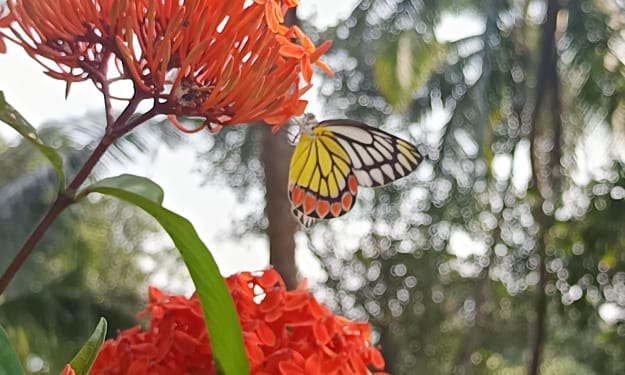
Frozen in Patience
For a few days, I became what could only be described as a butterfly stalker. There I was, running around my backyard, sweat dripping, camera in hand, on a mission to capture the perfect butterfly shot. My "Album of Nature" was crying out for that elusive photo—just one butterfly, perched on a flower, wings spread wide, looking ethereal. Simple, right? Not quite.
By Seraphina Curls2 years ago in Art
Tips on how to make a good Portfolio
Before I share my tips with you, I want to clarify that these are specifically for those interested in pursuing a degree in the arts and planning to apply to art schools. If you already have an art degree and are looking for job application advice, you may need to look elsewhere.
By Kayla Breyanna2 years ago in Art
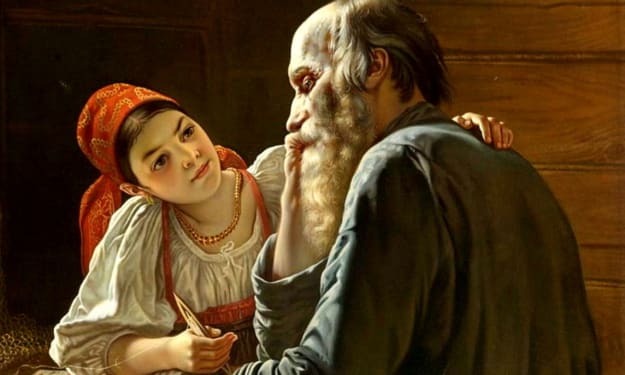
Expert of Ancient Painting and Precision
The name Apelles has reverberated throughout the history of art, and he is considered by many to be the greatest painter of antiquity. He has no surviving works, yet the stories of his skill and offerings to the art of painting never cease to inspire artists and scholars alike.
By Rohitha Lanka2 years ago in Art
15 Best AI Image Generators for 2025
What's the Best AI Image Generator for 2025? AI-generated imagery has transformed art, design, marketing, and entertainment. AI image generators have become more advanced creating everything from lifelike portraits to imaginative digital artwork with just a few text prompts.
By Aboah Okyere2 years ago in Art
Digital Silence
The world didn’t end with a bang. It ended with a notification. GLOBAL SERVER FAILURE. INTERNET COLLAPSE IMMINENT. At first, people thought it was a hoax. A stunt. Another attention-grabbing headline designed to go viral. But as the hours passed, reality set in. The internet—the omnipresent force that had woven itself into every fiber of modern life—was unraveling. It wasn’t a sudden blackout, but a slow, inevitable disintegration. Websites flickered, social media stuttered, news outlets went dark one by one. Cloud storage vanished like smoke in the wind.
By Rocky Brahma2 years ago in Art
The Future of Artificial Intelligence: Exploring the Possibilities of AI-Generated Content. AI-Generated.
.Artificial intelligence (AI) has been rapidly advancing in recent years, transforming industries and revolutionizing the way we live and work. One of the most exciting developments in AI is the ability to generate content, from text and images to music and videos. In this article, we'll delve into the world of AI-generated content, exploring its possibilities, challenges, and potential applications. The Rise of AI-Generated Content AI-generated content has been gaining traction in recent years, with the development of sophisticated algorithms and machine learning models. These models can analyze vast amounts of data, learn patterns, and generate new content that's often indistinguishable from human-created content. Applications of AI-Generated Content So, what are the potential applications of AI-generated content? Here are a few examples: Content creation: AI can generate high-quality content, such as articles, social media posts, and product descriptions, freeing up human creators to focus on more strategic tasks. Art and design: AI-generated art, music, and videos can create new and innovative forms of creative expression. Education and training: AI-generated content can be used to create personalized learning materials, simulations, and virtual reality experiences. Challenges and Concerns While AI-generated content offers many exciting possibilities, there are also challenges and concerns to consider: Authenticity and transparency: How can we ensure that AI-generated content is clearly labeled and distinguished from human-created content? Quality and accuracy: How can we guarantee the quality and accuracy of AI-generated content, particularly in areas like news and education? Job displacement: Could AI-generated content displace human creators andArtificial intelligence (AI) has been rapidly advancing in recent years, transforming industries and revolutionizing the way we live and work. One of the most exciting developments in AI is the ability to generate content, from text and images to music and videos. In this article, we'll delve into the world of AI-generated content, exploring its possibilities, challenges, and potential applications. The Rise of AI-Generated Content AI-generated content has been gaining traction in recent years, with the development of sophisticated algorithms and machine learning models. These models can analyze vast amounts of data, learn patterns, and generate new content that's often indistinguishable from human-created content. Applications of AI-Generated Content So, what are the potential applications of AI-generated content? Here are a few examples: Content creation: AI can generate high-quality content, such as articles, social media posts, and product descriptions, freeing up human creators to focus on more strategic tasks. Art and design: AI-generated art, music, and videos can create new and innovative forms of creative expression. Education and training: AI-generated content can be used to create personalized learning materials, simulations, and virtual reality experiences. Challenges and Concerns While AI-generated content offers many exciting possibilities, there are also challenges and concerns to consider: Authenticity and transparency: How can we ensure that AI-generated content is clearly labeled and distinguished from human-created content? Quality and accuracy: How can we guarantee the quality and accuracy of AI-generated content, particularly in areas like news and education? Job displacement: Could AI-generated content displace human creators and
By Joshua Happiness2 years ago in Art
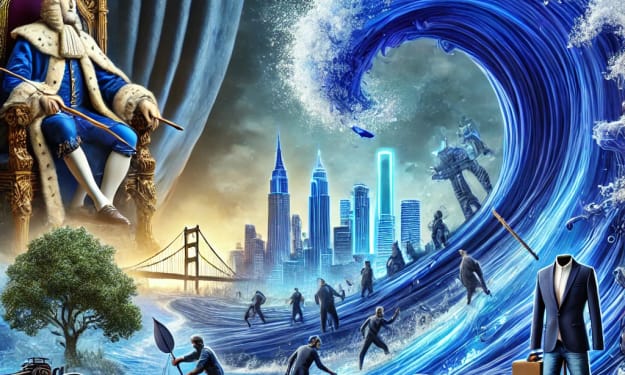
The Color Chronicles: How [Blue] Shaped Art, Fashion, and Culture
Color is more than just a visual experience—it carries history, emotions, and meaning. Some colors have been more influential than others, leaving an undeniable mark on art, fashion, and even psychology. Among them, blue has held a special place for centuries.
By Ahmet Kıvanç Demirkıran2 years ago in Art