History
Monet in New York City: Exploring His Masterpieces Across Iconic Museums
Claude Monet, one of the most celebrated painters of the Impressionist movement, continues to captivate audiences worldwide with his luminous works that bridge the gap between realism and abstraction. While his lush gardens in Giverny were the cradle of inspiration for many of his masterpieces, it is in New York City where art lovers can encounter a remarkable collection of his paintings. The Metropolitan Museum of Art (The Met) and the Museum of Modern Art (MoMA) house some of Monet's most iconic works, offering visitors an unparalleled opportunity to delve into the world of this legendary artist. A Journey Through Monet's Life and Legacy Born in Paris in 1840, Claude Monet revolutionized the art world with his innovative techniques and focus on capturing the fleeting effects of light and atmosphere. His works often feature natural landscapes, gardens, and water scenes, with his series paintings of water lilies, haystacks, and the Rouen Cathedral becoming emblematic of his style. Monet's dedication to his craft culminated in the creation of his garden in Giverny, which became both his sanctuary and his studio. Although Monet's works are spread across the globe, New York City stands out as a treasure trove for admirers of his art. From The Met's extensive collection to MoMA's carefully curated pieces, the city offers a diverse and intimate look at Monet's genius. --- The Metropolitan Museum of Art: A Sanctuary of Monet's Art The Met, one of the world’s largest and most renowned art museums, boasts an impressive collection of 40 paintings by Claude Monet. These works span different phases of his career, allowing visitors to trace his artistic evolution. Highlights of The Met's Collection 1. "La Grenouillère" (1869) This early work captures Monet's burgeoning Impressionist style, depicting a popular riverside resort near Paris. The vibrant brushstrokes and lively atmosphere showcase Monet's ability to convey movement and light. 2. "The Four Trees" (1891) Part of his haystack series, this painting demonstrates Monet's fascination with light and its changing effects at different times of the day and year. 3. "Water Lilies" (1919) Among Monet's most celebrated works, this piece transports viewers to his beloved garden in Giverny. The interplay of water, reflections, and blossoms epitomizes his mastery of color and texture. Beyond these masterpieces, The Met's collection includes other notable works that provide insight into Monet's experiments with composition, perspective, and light. The museum's dedication to preserving and showcasing his art ensures that his legacy remains accessible to the public. --- The Museum of Modern Art: Monet’s Timeless Appeal MoMA, a beacon of modern and contemporary art, holds five paintings by Claude Monet. Though fewer in number compared to The Met, these works are no less significant, offering a unique perspective on Monet's enduring influence on modern art. The Jewel of MoMA: "Water Lilies" One of the most iconic works in MoMA’s collection is a massive triptych of Monet’s "Water Lilies." This panoramic masterpiece envelops viewers in the serene and meditative beauty of his garden pond. Painted late in his life, the work is a culmination of Monet’s lifelong study of light, color, and movement. The blurred boundaries and abstract qualities of the painting hint at Monet’s forward-thinking approach, which resonates with modern art movements. Standing before this monumental piece, visitors can feel the tranquility and timelessness that Monet sought to capture in his garden sanctuary. --- Other Monet Gems in New York City Beyond The Met and MoMA, other institutions in New York City also house Monet’s works. While these collections may be smaller, they contribute to the city’s reputation as a hub for art lovers: 1. The Brooklyn Museum Occasionally featuring Monet’s works in special exhibitions, this museum adds to the diverse artistic offerings in the city. 2. Private Collections and Galleries New York's vibrant art scene includes galleries and private collections that occasionally showcase Monet's pieces. These temporary exhibitions provide unique opportunities to view his works in more intimate settings. --- Monet's Influence in Modern Contexts Monet’s work has not only inspired artists during his time but continues to influence modern and contemporary art. His focus on light, abstraction, and the passage of time resonates with today’s artistic explorations. Exhibitions in New York often pair Monet’s works with those of modern artists, creating dialogues that highlight his far-reaching impact. For instance, MoMA has curated exhibitions that juxtapose Monet’s paintings with abstract expressionist works by artists like Mark Rothko and Jackson Pollock, emphasizing the continuity of artistic innovation. --- Experiencing Monet in the Heart of New York To fully appreciate Monet’s work in New York City, one can embark on an art tour that spans The Met, MoMA, and other cultural institutions. This journey not only provides a deeper understanding of Monet’s artistic journey but also offers a glimpse into the evolution of Impressionism and its legacy in modern art. Walking through the galleries, visitors can marvel at the diversity of Monet’s subjects, from bustling Parisian scenes to the tranquil ponds of Giverny. The city’s rich collection ensures that his art remains accessible to all, inspiring new generations of artists and admirers. --- Conclusion Claude Monet’s presence in New York City’s art scene is a testament to his enduring appeal and the universal language of his works. Whether at The Met with its vast collection or MoMA with its monumental "Water Lilies," visitors are invited to immerse themselves in the beauty and brilliance of Monet’s vision. In a bustling metropolis like New York, Monet’s paintings serve as an oasis of tranquility, offering a moment to pause and appreciate the subtleties of light, color, and nature. Through these masterpieces, Monet continues to connect us to the timeless beauty of the world around us, reminding us of the power of art to transcend time and place.
By Deji Akomolafe2 years ago in Art
The Timeless Charm of Francesco Bergamini’s "The Watermelon Seller"
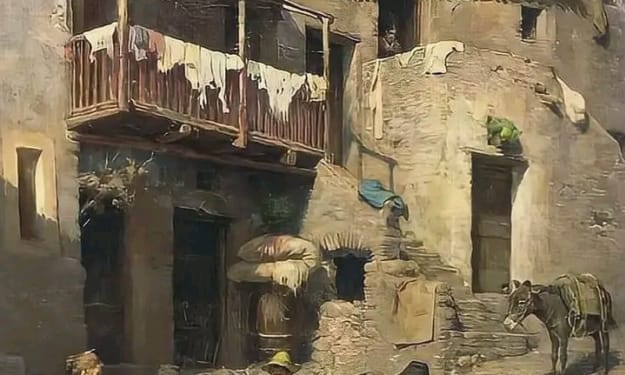
The Timeless Charm of Francesco Bergamini’s "The Watermelon Seller" Francesco Bergamini (1815–1883), a celebrated Italian painter, was renowned for his ability to capture the essence of everyday life. His works are deeply rooted in the traditions of the 19th century, embodying the culture, emotions, and daily activities of the Italian people. Among his many masterpieces, The Watermelon Seller stands out as a vivid representation of rural commerce and community in Italy during his time. This painting is a testament to Bergamini’s remarkable talent for storytelling through art, where every brushstroke narrates a tale of hard work, simplicity, and human connection. A Glimpse Into 19th-Century Italy Bergamini’s The Watermelon Seller is not just a work of art but a historical window into the socio-economic dynamics of 19th-century Italy. The painting portrays a humble watermelon seller at his stall, surrounded by his wares, as he interacts with customers. The scene is likely set in a bustling marketplace or a quiet village square, where farmers and vendors converged to sell their produce. This setting reflects the agrarian lifestyle that was predominant in Italy during this era, a time when markets were vibrant hubs of activity and a vital part of local life. The painting's details reveal much about the period. The seller’s attire, a simple yet functional outfit, emphasizes practicality over extravagance, reflecting the modest means of the working class. The watermelons themselves, plump and vibrant, symbolize the fruits of labor, a connection to the land, and the seasonal abundance that rural Italians cherished. Bergamini’s attention to these details allows viewers to appreciate the nuances of everyday life in a bygone era. The Art of Storytelling Through Composition What makes The Watermelon Seller so captivating is Bergamini’s masterful composition. The painting draws the viewer’s eye to the central figure—the seller—who exudes a sense of pride and resilience. His posture and expression suggest a man who takes satisfaction in his work, despite the simplicity of his trade. Surrounding him are neatly arranged watermelons, their vibrant green rinds contrasting with the earthy tones of the market stall and the background. This interplay of colors not only adds visual appeal but also highlights the freshness and allure of the fruit. Bergamini’s use of light and shadow further enhances the painting’s realism. The soft sunlight filtering through the scene creates a warm and inviting atmosphere, while subtle shadows add depth and dimension. These elements work together to immerse the viewer in the scene, making it almost possible to feel the warmth of the sun and hear the lively chatter of the marketplace. Cultural and Symbolic Significance Beyond its aesthetic value, The Watermelon Seller holds cultural and symbolic significance. In 19th-century Italy, the marketplace was more than just a place for commerce; it was a social gathering point where people exchanged news, stories, and traditions. By choosing to depict a watermelon seller, Bergamini highlights the importance of food as a cultural cornerstone. Watermelons, with their refreshing sweetness, were a symbol of summer and communal enjoyment, often shared among families and friends. The painting also speaks to themes of perseverance and the dignity of labor. The watermelon seller represents the countless individuals who toiled daily to sustain themselves and their communities. Through this humble figure, Bergamini pays homage to the resilience and spirit of ordinary people, reminding viewers of the beauty inherent in simple, honest work. Bergamini’s Legacy Francesco Bergamini’s art continues to resonate with audiences for its timeless appeal and humanistic themes. His ability to capture the essence of everyday life with such authenticity and emotional depth is a testament to his skill as a painter and storyteller. The Watermelon Seller, in particular, stands as a poignant reminder of the interconnectedness of people, nature, and culture. While Bergamini may not be as widely known as some of his contemporaries, his works hold a special place in the hearts of those who appreciate art that celebrates the simplicity and beauty of ordinary life. His paintings serve as a bridge between past and present, allowing modern viewers to connect with the experiences and emotions of people from over a century ago. Conclusion Francesco Bergamini’s The Watermelon Seller is more than just a depiction of a marketplace scene—it is a celebration of life’s simple pleasures and the enduring spirit of humanity. Through his masterful use of color, composition, and storytelling, Bergamini invites viewers to step into the world of 19th-century Italy and experience its charm and vitality firsthand. As we admire this painting, we are reminded of the value of hard work, the joy of community, and the timeless beauty of art that speaks to the soul. In The Watermelon Seller, Bergamini has immortalized not just a moment in time but a piece of cultural heritage that continues to inspire and delight. It is a work that resonates with anyone who cherishes the richness of everyday life and the power of art to preserve it.
By Deji Akomolafe2 years ago in Art
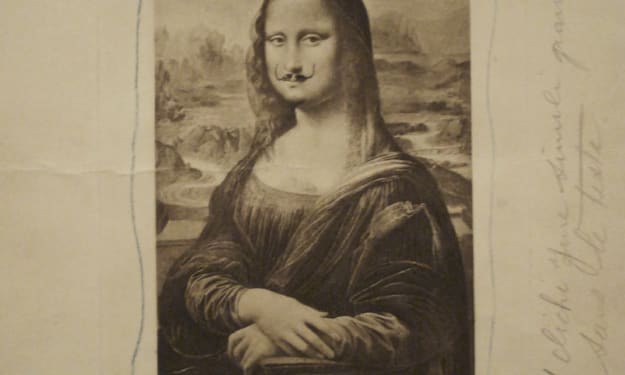
Marcel Duchamp: The Art of Moustaches and Mischief
I have written for the Art community before, and have also written about my disdain about the gatekeeping that exists in the world of art. It is something that put me off bothering with art for some time, much like opera and classical music. Fine art? I thought it wasn’t for a simple arsehole like me, Paul Stewart, from Glasgow. Turns out, I was wrong. Art is for everyone—so deal with it, art snobs.
By Paul Stewart2 years ago in Art
The Evolution of SZA: Achievements and Controversies Surrounding "Kill Bill" . AI-Generated.
The Evolution of SZA: Achievements and Controversies Surrounding "Kill Bill" SZA, born Solána Imani Rowe, is a Grammy-winning singer-songwriter who has carved out a unique space in the world of contemporary R&B and neo-soul. Her music blends confessional lyrics with innovative production, resonating deeply with a wide audience. Since her debut, SZA has become a cultural icon, celebrated for her vulnerability, artistry, and authenticity. However, her journey has not been without controversy, with one of the most prominent debates arising around her song "Kill Bill," a track that polarized listeners despite its commercial and critical success.
By Nivard Anna2 years ago in Art
The Rise, Fall, and Resurgence of Morgan Wallen: A Look at His Achievements and the Cultural Impact of "Last Night" . AI-Generated.
The Rise, Fall, and Resurgence of Morgan Wallen: A Look at His Achievements and the Cultural Impact of "Last Night" Introduction: A Rising Star Amidst Controversy
By Nivard Anna2 years ago in Art
The Timeless Charm of a Silver Dry Fruit Box: A Perfect Gift for Every Occasion
There’s something timeless about silverware that never goes out of style. Among the many silver treasures cherished by Indian households, silver dry fruit box hold a special place. They are not just containers; they are symbols of heritage, prosperity, and warmth, often passed down through generations.
By maharanibyrungtas2 years ago in Art
Love Rekindled: Molly-Mae Hague and Tommy Fury Steal the Spotlight at Cheshire Event
Molly-Mae Hague and Tommy Fury, one of the most adored couples to emerge from the world of reality television, are turning heads again. The two Love Island stars, both 25, made their first public appearance following a surprise New Year’s Eve kiss that has since captured headlines and warmed fans’ hearts.
By mureed hussain2 years ago in Art
Leonardo da Vinci’s Study for Madonna with the Yarnwinder: A Masterpiece in Red Chalk and Silverpoint
Leonardo da Vinci’s Study for Madonna with the Yarnwinder, created around 1501, is a remarkable example of his genius as an artist, thinker, and innovator. This exquisite drawing, crafted with red chalk and silverpoint on rose-colored prepared paper, resides in the Gallerie dell’Accademia in Venice. It provides a glimpse into Leonardo’s creative process, showcasing his unparalleled ability to fuse technical precision with emotional depth. The Context: The Madonna with the Yarnwinder The Study for Madonna with the Yarnwinder is a preparatory work for one of Leonardo’s unfinished paintings, the Madonna with the Yarnwinder. This painting, produced around the same time, features the Virgin Mary holding the Christ Child as he reaches for a yarnwinder, symbolizing the cross and foreshadowing the Passion. The theme of the Virgin and Child was a recurring one in Leonardo’s oeuvre, reflecting both the religious devotion of the time and his personal fascination with maternal tenderness. This study captures the essence of these themes, portraying the Madonna and Child with an intimacy and grace that speaks to Leonardo’s mastery. The Medium: Red Chalk and Silverpoint Leonardo’s use of red chalk and silverpoint in this study is a testament to his technical expertise. - Red Chalk: By the late 15th century, red chalk had become one of Leonardo’s preferred mediums for its versatility and ability to create subtle tonal variations. The softness of red chalk allowed Leonardo to explore the nuances of light and shadow, giving his figures a lifelike quality. - Silverpoint: Silverpoint, a technique involving a silver stylus on prepared paper, was a demanding medium requiring precision and confidence. Leonardo used it for its fine lines and permanence, enabling him to sketch delicate details and contours. The rose-colored prepared paper adds warmth to the composition, enhancing the drawing’s emotional resonance. This combination of mediums demonstrates Leonardo’s innovative approach, blending traditional techniques with his own artistic sensibilities. Composition: Elegance in Simplicity The Study for Madonna with the Yarnwinder captures the essence of maternal love and divine grace through a seemingly simple composition. - The Madonna: Leonardo depicts the Virgin Mary with serene beauty, her face characterized by soft, flowing lines and a contemplative expression. Her pose, slightly inclined toward the Christ Child, conveys a sense of gentle protection and devotion. - The Christ Child: The infant Jesus is rendered with remarkable naturalism, his chubby form and playful gesture exuding a lifelike charm. His movement toward the yarnwinder, symbolic of the cross, is both tender and poignant, reflecting the dual nature of joy and foreboding in the Christian narrative. Leonardo’s signature sfumato technique, though primarily associated with his paintings, is evident in this study as well. The soft transitions between light and shadow lend the figures a three-dimensional quality, imbuing the drawing with a sense of depth and realism. Symbolism and Meaning The Madonna with the Yarnwinder carries rich symbolic significance, much of which is encapsulated in this preparatory study. - The Yarnwinder: As a household object, the yarnwinder connects the divine figures to the everyday lives of Renaissance viewers. At the same time, its resemblance to a crucifix foreshadows Christ’s sacrifice, linking the mundane with the sacred. - Maternal Love and Sacrifice: The interaction between Mary and Jesus highlights the themes of maternal care and the inevitability of loss. Mary’s gentle demeanor and the child’s innocent curiosity underscore the human emotions that underpin the spiritual narrative. Through these symbolic elements, Leonardo transcends the boundaries of religious art, creating a work that speaks to universal human experiences. Leonardo’s Creative Process The Study for Madonna with the Yarnwinder offers valuable insights into Leonardo’s working methods. - Exploration of Gesture: The drawing captures Leonardo’s fascination with movement and gesture, particularly in the way Jesus reaches for the yarnwinder. This dynamic interaction exemplifies Leonardo’s ability to convey emotion through physicality. - Focus on Anatomy: As a dedicated student of human anatomy, Leonardo’s attention to detail is evident in the lifelike proportions and forms of the figures. His understanding of musculature and bone structure enhances the realism of the composition. This study is more than just a preparatory sketch—it is a work of art in its own right, reflecting the meticulous thought and effort Leonardo devoted to every aspect of his creations. Legacy and Influence The Study for Madonna with the Yarnwinder is a shining example of Leonardo’s ability to blend technical skill with profound emotional depth. Its influence can be seen in the works of later artists who sought to emulate Leonardo’s mastery of gesture, expression, and symbolism. For modern viewers, the study remains a source of inspiration, reminding us of the timeless power of art to capture the essence of human experience. Leonardo’s exploration of universal themes—love, sacrifice, and the connection between the divine and the everyday—continues to resonate, bridging the gap between past and present. Visiting the Gallerie dell’Accademia Today, visitors to the Gallerie dell’Accademia in Venice can view this remarkable study up close, marveling at the precision and beauty of Leonardo’s work. Seeing the Study for Madonna with the Yarnwinder in person offers a rare opportunity to connect with the mind of one of history’s greatest artists, whose genius continues to captivate and inspire. In this drawing, Leonardo da Vinci transcends the boundaries of preparatory art, creating a timeless masterpiece that embodies the spirit of the Renaissance and the enduring power of human creativity.
By Deji Akomolafe2 years ago in Art
The Mural Paintings in the Tomb of Seti I: A Window into Ancient Egypt
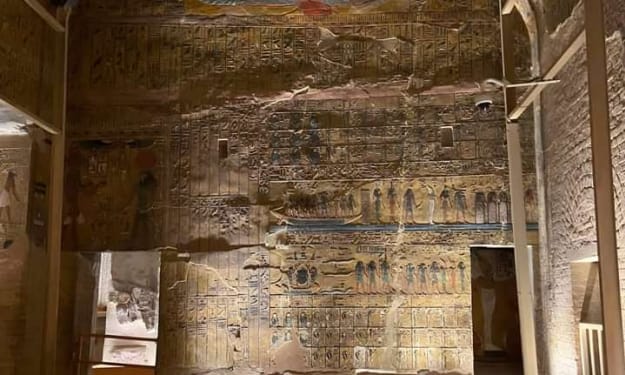
Deep within the arid hills of the Valley of the Kings on Luxor’s West Bank lies one of the most remarkable archaeological treasures of ancient Egypt: the tomb of Seti I. Discovered in 1817 by Italian explorer Giovanni Battista Belzoni, this tomb is renowned not only for its impressive architecture but also for its extraordinary mural paintings. These vivid and meticulously crafted artworks provide a profound insight into the beliefs, artistry, and culture of one of history's most fascinating civilizations. A Pharaoh’s Eternal Rest Seti I, the second ruler of the 19th Dynasty (1290–1279 BCE), was one of ancient Egypt’s most powerful and ambitious pharaohs. As the father of the legendary Ramesses II (Ramesses the Great), Seti’s reign was marked by military conquests, administrative reforms, and monumental building projects, including the construction of his grand tomb. The tomb, designated KV17, is the longest and one of the most elaborate in the Valley of the Kings. It extends over 137 meters into the rock and is divided into multiple corridors, chambers, and halls, all richly adorned with intricate murals. The tomb was designed to ensure the pharaoh’s safe passage to the afterlife, with every painting and inscription serving a specific spiritual purpose. The Mural Paintings: A Journey Through the Afterlife The mural paintings in Seti I’s tomb are among the most beautifully preserved and detailed in the Valley of the Kings. They depict scenes from ancient Egyptian funerary texts, including the Book of the Dead, the Amduat (Book of What Is in the Underworld), and the Book of Gates. These texts served as guides for the pharaoh’s journey through the afterlife, ensuring his rebirth and union with the gods. Vibrant Colors and Symbolism The murals are a testament to the skill of ancient Egyptian artisans, who used natural pigments to create vibrant colors that have endured for over 3,000 years. The palette includes deep blues, radiant golds, rich reds, and earthy greens, each with symbolic meaning. For example, blue represents the heavens and the Nile, while gold symbolizes divinity and eternity. The precision of the artwork is striking, with figures and hieroglyphs rendered in exquisite detail. The artists followed strict conventions, such as depicting gods and pharaohs in profile with stylized features, to convey their divine nature. These conventions also ensured consistency across the tomb's many chambers, creating a harmonious visual narrative. Scenes of Divine Encounters One of the most captivating aspects of the murals is their depiction of Seti I’s interactions with the gods. In these scenes, the pharaoh is shown making offerings to deities such as Osiris, Ra, and Hathor, seeking their protection and guidance. The gods, in turn, are depicted bestowing blessings upon the king, symbolizing his divine right to rule and his journey toward eternal life. Particularly notable are the scenes in the Hall of Beauties, where Seti I is shown receiving the Ankh (symbol of life) from various gods. This hall also contains a celestial ceiling adorned with astronomical symbols, representing the night sky and the promise of rebirth. The Underworld and Resurrection The murals in the tomb’s deeper chambers delve into the mysteries of the underworld, portraying the challenges and trials that Seti must overcome to achieve immortality. The Amduat, for instance, describes the journey of the sun god Ra through the 12 hours of the night, symbolizing the soul's passage through darkness and its ultimate resurrection at dawn. These scenes are filled with fantastical imagery, including serpents, guardian spirits, and protective deities. Despite their otherworldly nature, the artwork conveys a sense of order and balance, reflecting the ancient Egyptian belief in Ma’at—the principle of cosmic harmony. Preservation and Challenges While the murals in Seti I’s tomb are remarkably well-preserved, they face ongoing threats from natural and human factors. The fragile limestone walls are vulnerable to humidity, temperature fluctuations, and salt crystallization, which can cause the paint to flake or fade. Additionally, the influx of tourists poses a risk to the tomb's delicate environment. To protect this invaluable heritage, the Egyptian authorities and international organizations have implemented conservation measures, including controlled access and advanced monitoring systems. A full-scale replica of the tomb has also been created to allow visitors to experience its splendor without endangering the original artwork. A Legacy of Artistic Brilliance The mural paintings in the tomb of Seti I are more than just decorative art; they are a profound expression of ancient Egyptian spirituality, philosophy, and aesthetics. Through their intricate designs and vivid colors, they convey the hopes and beliefs of a civilization that revered life, death, and the eternal cycle of renewal. For modern viewers, these murals offer a rare glimpse into the world of the pharaohs, revealing not only their religious practices but also their artistic brilliance. Standing before these masterpieces, one cannot help but feel a connection to the past, marveling at the skill and devotion of those who created them. Visiting the Tomb The tomb of Seti I is one of the most sought-after sites in the Valley of the Kings, though it is not always open to the public due to conservation concerns. Visitors who do gain access are treated to a breathtaking journey through ancient Egypt’s artistic and spiritual heritage. For those unable to visit, the replica tomb and virtual tours provide an excellent alternative, ensuring that this cultural treasure can be appreciated by people around the world. In the end, the mural paintings in the tomb of Seti I stand as a timeless testament to the ingenuity and vision of ancient Egypt. They remind us of a civilization that sought to transcend mortality, leaving behind a legacy that continues to inspire awe and wonder.
By Deji Akomolafe2 years ago in Art