General
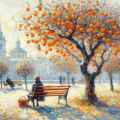
🍂 10 Free Cozy Autumn Houses & Animals Nature Coloring Pages ! 🍂
There’s something enchanting about autumn. The air turns crisp, the leaves paint the world in shades of red, gold, and orange, and cozy evenings suddenly feel like the perfect time to slow down. For many of us, autumn sparks a longing for comfort—warm drinks, soft sweaters, and creative little joys that make the season memorable. One of the simplest and most rewarding activities that captures the spirit of fall is coloring, especially autumn-themed coloring pages.
By The Waiting Treeabout a year ago in Art
The Language of Arts: A World Without Words
The image of a paintbrush and palette above the bold word “ARTS” might seem simple at first glance, yet it speaks volumes about the very essence of human expression. Art, in all its forms, is more than just color on a canvas or melody in the air—it is the heartbeat of culture, a mirror of the soul, and the universal language that binds us together across borders and generations. In a time when the world moves faster than ever, art grounds us. It reminds us of who we are, what we’ve lived through, and what we aspire to become. This picture, bold and unapologetic, is not just about creativity; it’s about survival, identity, and connection. Art as Humanity’s Oldest Voice Before humans learned to write or speak complex languages, we painted on cave walls. The earliest drawings, dating back tens of thousands of years, were not mere decorations but stories—moments captured, beliefs immortalized, and emotions expressed. The picture of “ARTS” captures this timeless truth. Just as the palette holds multiple colors, humanity holds infinite stories. Each stroke of paint, each shape carved into stone, was a way to say, “We are here. We feel. We dream.” Art is our oldest voice, and even today, it remains the most honest one. The Palette of Emotions The brush in the picture points to the truth: art is more than skill—it is emotion. Where words fail, art speaks. A painting can express grief without a single tear drawn. A song can capture joy without ever using the word “happy.” Think of Van Gogh’s swirling skies, Picasso’s fragmented portraits, or a child’s first crayon scribbles. Each one, different in form and style, carries an emotion that resonates with someone, somewhere. Art is deeply personal, yet universally understood. The “Arts” image reminds us that creativity isn’t about perfection—it’s about expression. Just as a palette doesn’t discriminate between colors, true art doesn’t judge. It simply allows emotions to exist. The Power of Connection In a fractured world, art has the power to unite. A street mural in Brazil may inspire someone in Italy. A TikTok dance choreographed in Seoul may be recreated in New York. A novel written in Urdu may move a reader in London. Art doesn’t require translation—it is translation. It takes human experience and shapes it into something anyone can feel. The “Arts” picture with its bold lettering is a declaration: creativity belongs to everyone, not just galleries, critics, or elite spaces. Every sketch in a notebook, every song hummed in the shower, every doodle on the margin of a schoolbook is proof that art is woven into our daily lives. We don’t just consume art—we breathe it. Art as Protest and Power History shows us that art is not only beauty; it is also resistance. Protest posters, revolutionary songs, and political graffiti have shifted societies. Art is often born in silence but speaks louder than armies. From the haunting poetry written in times of war to the vibrant murals painted during civil rights movements, art has always been the voice of the voiceless. It gives power to those who cannot stand on podiums but can wield brushes, pens, and instruments. The “Arts” image represents this strength. The palette is not just for painting—it is a weapon for truth. Each color can expose injustice, ignite revolutions, or heal broken communities. Healing Through Art Science has now confirmed what humans always knew: art heals. Art therapy helps those who cannot articulate pain, while music therapy calms the anxious and uplifts the depressed. Creative practices reduce stress, restore hope, and even improve physical health. A brush dipped in color can become more than paint—it can become medicine. A melody can be more than notes—it can be comfort. When we see the word “ARTS” in bold, it isn’t just an invitation to create—it is a reminder that creativity saves lives. Everyday Artists Too often, people say, “I’m not an artist.” But that’s a myth. To be human is to create. Cooking a meal with care, arranging flowers on a table, designing clothing, even curating an Instagram feed—these are all forms of art. Creativity is not limited to galleries and museums. It lives in our kitchens, streets, schools, and social media feeds. The image with the paintbrush and palette symbolizes that art is accessible. You don’t need expensive tools or training to create. All you need is the courage to express yourself. Why Art Goes Viral On platforms like Vocal Media, art doesn’t just live—it spreads. Viral stories, viral songs, viral paintings—they connect people in ways traditional conversations often cannot. Why? Because they hit the heart. A powerful image or a moving story can cross borders within seconds, uniting strangers under a shared emotion. Viral art doesn’t just entertain—it inspires dialogue, change, and community. The “Arts” picture has that bold, striking simplicity that makes it perfect for going viral: it says so much with so little. The Call of “Arts” When you see the picture, it almost feels like a call to action. The word “ARTS,” painted large and unapologetic, dares you to pick up your own brush, pen, or instrument. It dares you to stop consuming passively and start creating actively. We are all carriers of stories. We are all vessels of creativity. The “Arts” image is a reminder that the world doesn’t need perfect art—it needs your art. Conclusion: A World Painted in Color Imagine a world without art—no paintings, no music, no films, no poetry, no dance. It would be a world without color, without imagination, without soul. The “Arts” image reminds us that creativity is not optional—it is essential. Art is not about fame, or galleries, or recognition. It’s about being alive. It’s about saying, “I was here, and this is how I saw the world.” In every stroke, every lyric, every movement, we leave a mark. Together, these marks create the masterpiece of humanity. So let this image inspire you. Let it remind you that within you lies a palette of infinite colors, waiting to be released. Because at the end of the day, life itself is the greatest canvas, and art is how we paint our story.
By Fazal wahid about a year ago in Art
Shadows and Light
The Beginning In the ancient city of Veyora, stone streets twisted like rivers, and lamps flickered against the night wind. Among its narrow alleys lived a young girl named Arin, who carried both light and darkness within her. Her father was a glassmaker, her mother a storyteller. From her father, she learned how fragile and beautiful life could be, like glass that shone only when touched by light. From her mother, she learned how every story had shadows, for no tale was complete without struggle. But when her parents died during a winter plague, Arin’s world shattered. At only sixteen, she found herself alone, drifting between shadows and light. --- The Weight of Shadows Arin worked in the marketplace, polishing lamps for a few coins. Every day she watched others laugh, trade, and sing, while she carried her grief silently. The city of Veyora itself was full of contrasts—its grand towers glittered with wealth, while its alleys drowned in hunger and despair. Arin often asked herself: Where does light end, and where do shadows begin? Her only comfort was a small lantern her father had made. Its glass was etched with delicate stars. At night, she lit it and whispered to herself, “Light lives, even in darkness.” Yet, she wondered if she truly believed it. --- The Encounter One rainy evening, Arin found a boy huddled beneath an abandoned archway. His clothes were torn, his eyes hollow with hunger. She offered him bread, and he whispered his name: Kaelen. Kaelen was a runaway, fleeing from a cruel master who had treated him like a servant. He carried nothing but scars and bitterness. Where Arin still clung to her small flame of hope, Kaelen trusted only shadows. But that night, when she lit her lantern, Kaelen stared. The gentle glow reflected in his eyes, and for the first time in months, he felt warmth—not from the fire, but from the kindness behind it. That was the beginning of their bond. --- The Journey Together Arin and Kaelen began walking the streets together, helping each other survive. By day, Arin polished lamps while Kaelen fetched water. By night, they sat beneath her lantern, sharing stories. Kaelen often spoke of the cruelty he had endured, and Arin shared memories of her parents. Slowly, the two broken souls became each other’s strength. Yet, Kaelen often said: “Shadows always win, Arin. Light fades too quickly.” And she replied: “But even shadows need light to exist.” --- The Test of Darkness One winter night, the city plunged into chaos. A fire broke out in the northern quarter, and in the panic, thieves looted the marketplace. Arin’s small savings, hidden under her stall, were stolen. Her dream of saving enough money to open a lamp shop was crushed. Kaelen, furious, suggested they steal from the wealthy towers in revenge. “Why should we suffer in the dark while they drown in light?” he growled. Arin hesitated. Shadows pulled at her heart—anger, grief, hopelessness. For the first time, she almost agreed. But when she lit her father’s lantern, the stars etched into the glass reminded her of her mother’s words: Stories are made of shadows and light, but hope is what gives them meaning. She turned to Kaelen. “If we let shadows rule us, then we’ll become what we hate. We must carry light, even when it hurts.” --- The Transformation Instead of stealing, Arin decided to act differently. She began lighting her lantern every night in the city square, not just for herself, but for anyone who needed hope. Slowly, people noticed. Children gathered around her lantern as she told her mother’s old stories. Neighbors, once distant, began to bring candles to light beside hers. Kaelen at first mocked her, but he stayed. And each night, as more lights joined the square, his heart softened. The once-dark marketplace began to glow. Not with wealth, but with shared hope. --- The Triumph of Light Months passed, and Arin’s lantern became a symbol in Veyora. People called her The Keeper of Light. Even in hunger and poverty, the lantern’s glow reminded them that darkness was not the end. Kaelen, too, changed. One night, he whispered, “Maybe shadows don’t always win. Maybe they just need someone stubborn enough to keep lighting the flame.” For the first time, Kaelen lit a lantern himself. His hands trembled, but his eyes shone with quiet courage. Together, Arin and Kaelen opened a small lamp shop—not just to sell lamps, but to teach others how to make them. They gave lanterns to those too poor to afford one, so no home in Veyora would ever be swallowed by darkness again. --- The Legacy Years later, travelers who came to Veyora would hear stories of two orphans who turned a city of shadows into a city of light. The marketplace, once bleak, became known as the Square of Lanterns, where hundreds of small lights glowed every evening. And in the center always burned Arin’s father’s lantern—etched with stars, carrying whispers of the past, yet forever glowing into the future. --- Moral of the Story Shadows and Light teaches us that life is made of both darkness and brightness. Pain, grief, and loss are shadows that shape us, but hope, kindness, and courage are the light that guide us. True strength is not in denying shadows but in choosing to carry light despite them. Even the smallest flame can illuminate the darkest night.
By Noman Khanabout a year ago in Art
Silent Strokes
Silent Strokes The Brush That Spoke Louder Than Words --- The Beginning In the bustling city of Orendale, where skyscrapers touched the clouds and neon lights painted the night, lived a boy named Kael. Unlike most children who shouted, laughed, and played in the streets, Kael was quiet—too quiet. Born mute, he had never uttered a single word. At first, people pitied him, but as he grew older, many dismissed him as someone who would never achieve anything great. In a city that celebrated noise, music, and chatter, Kael’s silence was seen as a weakness. But Kael held a secret power: when he picked up a brush, his silence transformed into something louder than words. His silent strokes on the canvas spoke of feelings so raw, so alive, that anyone who looked at them felt their own soul stir. --- The Hidden Talent Kael’s world was small. His mother worked long hours at a bakery, and he often spent afternoons in their cramped apartment, surrounded by secondhand canvases and brushes. Every evening, when the city outside roared with cars and laughter, Kael painted. He painted the sound he could not make, the words he could not speak. His art was filled with contrasts—dark storms against bright horizons, broken shapes that suddenly curved into hope. When neighbors peeked at his work, they often gasped. “This boy… he paints life itself.” But Kael never showed pride. He only smiled shyly, dipped his brush again, and let the silence guide him. --- The Encounter One day, Orendale announced an International Art Exhibition. Famous artists from around the world would gather, and one winner would receive a scholarship to the most prestigious art academy. Kael longed to join, but doubt gnawed at him. The competition required artists to present and explain their paintings. How could someone without a voice stand among them? But fate had plans. A woman named Liora, who worked as an art curator, discovered Kael painting by the riverside. She saw a boy lost in silence, yet his canvas roared with color and pain. A deep blue sky with cracks of gold, shadows reaching for the light—his strokes spoke of resilience. Liora whispered, “Your silence is your strength.” Encouraged, Kael submitted his work to the exhibition. --- The Struggle The day of the exhibition arrived. The grand hall glittered with chandeliers, filled with critics, judges, and artists dressed in elegance. Kael stood at the edge, clutching his canvas, his heart pounding. When it was his turn, a hush fell. The boy stood before the crowd, mute, holding only his painting: a scene of a lone figure walking through a storm, carrying a lantern that lit the path ahead. The judges waited for him to explain. Kael froze. His hands shook. The silence grew heavy. Whispers rippled through the crowd: “He can’t speak?” “How will we understand his art?” “What’s the point if he cannot explain?” Kael felt tears sting his eyes. His worst fear had come true. But then, Liora stepped forward. She handed Kael a brush and whispered, “Let your strokes explain.” --- The Moment of Truth Kael turned to a blank canvas placed beside him. His hands trembled, but he dipped the brush into black paint and began. Before the stunned audience, he painted live—swift, powerful strokes, silent yet alive. The black strokes became shadows. Blue swept across the canvas like waves of sorrow. Then, with bold sweeps of gold, Kael painted cracks of light breaking through. The hall was silent. Every stroke spoke louder than a thousand words: The black whispered of loneliness. The blue hummed of longing. The gold roared of hope. By the time Kael finished, tears shimmered in the eyes of the crowd. The silence in the hall was no longer empty—it was sacred. --- The Transformation The judges rose to their feet. Applause thundered through the hall. Many called it the most powerful presentation of the night—not because Kael explained his art with words, but because he showed that art itself was the explanation. He won first place. Kael’s name spread across Orendale and beyond. “The Silent Painter,” they called him—the boy whose brush spoke for him. With the scholarship, he entered the art academy, where students and teachers alike respected him not for his voice, but for his vision. --- The Legacy Years later, Kael became one of the most renowned painters of his time. But he never forgot the boy who once doubted himself. He opened a foundation called Silent Strokes, where children with disabilities—mute, deaf, blind—were given a space to express themselves through art. His belief was simple: every soul has a voice; some just don’t use words to share it. His gallery became a haven where silence was celebrated, and art was the loudest sound of all. --- Moral of the Story Silent Strokes teaches us that true expression does not require words. Silence is not weakness—it can be power. Art, kindness, and passion speak louder than speech. Our limitations do not define us; what we create despite them does.
By Noman Khanabout a year ago in Art
Whispers of Color
The Beginning The little town of Miravale was known for its cobblestone streets, quiet cafés, and rooftops that blushed orange at sunset. It wasn’t a place of grandeur, but it held a secret charm for those who looked closely. Among the quiet people of Miravale lived a young artist named Elara, a girl who never spoke much but painted everything she felt. Her world was not filled with words—it was filled with colors. Elara had grown up in silence. Born with a hearing impairment, she could never hear the chirping of the morning birds or the rhythm of falling rain. Yet, she believed she was gifted something even more precious: she could see colors in ways others could not. To her, every shade carried a whisper, every hue had a voice, every tone sang a song. When her brushes danced across the canvas, it was not simply art; it was a language only she understood—a language of whispers, of colors that spoke directly to her heart. --- The Gift of Colors Elara’s tiny studio overlooked the town square. The people often saw her sitting by the window, brush in hand, eyes far away as though listening to a soundless symphony. Children loved to peek in and watch her paintings bloom like gardens on white canvases. To Elara, red wasn’t just red—it whispered of courage and hidden wounds. Blue was not merely blue—it hummed with calmness, yet sometimes wept with loneliness. Yellow laughed, green hummed softly like lullabies, and violet whispered the secrets of night skies. Her most cherished painting was one she never sold: a canvas of swirling colors—red, blue, gold, and violet—woven together like voices in a choir. To everyone else, it looked abstract. But for Elara, it was the first time she realized the colors whispered stories, almost like they were alive. --- The Encounter One autumn evening, while Miravale prepared for its annual Art Festival, Elara placed some of her paintings outside her studio. Travelers often visited during the festival, and she hoped her colors might whisper to someone else’s soul. As the lanterns lit up the square, a young man named Adrian wandered through. He was a musician, carrying his violin, though lately, he had lost the desire to play. Life had stolen the melody from his heart—his father had passed away, and every note he tried to play felt broken. When Adrian stopped before Elara’s paintings, something unusual happened. He stared at her canvas of swirling red and blue, and for the first time in months, he felt… music. Not from his violin, but from within himself. He whispered, “This… this feels like a song I once knew.” Elara, unable to hear, only smiled. But she noticed the way his eyes shone with recognition. Without words, she offered him a brush. And so, beneath the lantern light, a painter and a musician—one who heard colors, and one who had lost his sound—shared a silent conversation through strokes of paint. --- The Journey of Friendship In the days that followed, Adrian kept returning to Elara’s studio. Though she could not hear, he learned to communicate through gestures, sketches, and sometimes music he played for her. She could not hear the notes, but she would paint what she felt from his movements. To Adrian’s surprise, her colors matched the emotions of his music exactly. A soft lullaby appeared as lavender and silver. A passionate sonata spilled into fiery reds and oranges. A sorrowful tune became a deep ocean of blues. The whispers of color and the echoes of music blended into one language neither could fully explain. Together, they decided to create something for the Art Festival: a performance where Adrian would play while Elara painted live on stage. The townspeople were curious—an artist who couldn’t hear, a musician who had lost his melody. Could such a pairing create harmony? --- The Night of the Festival The evening of the festival arrived. Lanterns floated in the night sky, their soft glow reflecting in the river that crossed Miravale. The stage was set in the town square, surrounded by eager faces. Adrian stood with his violin, trembling slightly. Elara stood before a blank canvas, brush poised. The first note rose from Adrian’s violin—a trembling sound, like a hesitant breath. He thought his music was broken, but as Elara’s brush touched the canvas, colors bloomed—blues curling into silvers, reds merging with golds. Whispers of color came alive. The audience watched, spellbound, as music they could hear transformed into colors they could see. The violin sang of sorrow and hope, and Elara’s colors whispered of wounds and healing. For the first time, Adrian’s grief turned into beauty. And for the first time, Elara’s whispers were heard—not by ears, but by hearts. When the last note faded and the final stroke was painted, the crowd erupted in applause. Tears shimmered in their eyes, not just for the art, but for the truth they witnessed: even in silence and sorrow, beauty can bloom. --- The Revelation After the performance, Adrian turned to Elara with tears. “You made me hear my music again,” he said. And though she could not hear the words, she saw them in his eyes, felt them in the whispers of colors around them. She placed her hand on the painting—they had created it together, a masterpiece born from silence and sound. In that moment, they both understood: art is not just about what the eye sees or the ear hears—it is about what the soul feels. --- The Legacy Years passed, but the story of the painter and the musician became a legend in Miravale. Together, Elara and Adrian opened a small school where children learned not just to paint or play music, but to feel. They taught them that colors, sounds, and emotions are all connected, and that true art begins in the heart. Elara continued to paint whispers of color, and Adrian played melodies of hope. Their collaboration became known as “The Symphony of Silence”, a reminder that even the quietest soul has a voice waiting to be heard. --- Moral of the Story Whispers of Color teaches us that true expression does not depend on words, sound, or perfection. Real art—and real connection—comes from the soul. Where one person sees silence, another may see music. Where one sees emptiness, another may see color. Beauty is not bound by limitation—it is freed by imagination and love.
By Noman Khanabout a year ago in Art
Why Choosing a LED Sign Maker in China Can Save Costs Without Compromising Quality
Businesses around the world rely on signage to attract attention and build their brand image. In recent years, LED technology has become the top choice because of its brightness, durability, and energy efficiency. While many countries produce signage, choosing a LED sign maker in China has become a popular decision for companies looking to balance cost and quality. China is a global hub for manufacturing, and when it comes to LED signage, it offers unmatched advantages for businesses of all sizes.
By Devis Colsabout a year ago in Art
Branded Ice Cream Cone Sleeves – The Secret to Memorable Dessert Presentation
Ice cream has always been a universal treat, enjoyed across all ages and seasons. But in today’s competitive market, presentation matters just as much as taste. That’s where branded ice cream cone sleeves come into play. These sleeves not only keep cones tidy but also act as a marketing tool, turning every scoop into a brand experience.
By Shawn Robertsonabout a year ago in Art
A Tree of Life: Handcrafted Crystal Gemstone Trees. AI-Generated.
A Tree of Life: Handcrafted Crystal Gemstone Trees In the world of home decor, where mass-produced items often dominate, there is a growing appreciation for pieces that are not only beautiful but also carry a deeper meaning. Enter the handcrafted crystal gemstone tree, a stunning fusion of art, nature, and positive energy that is quickly becoming a must-have for those seeking to create a more mindful and serene living space.
By Fashion Worldabout a year ago in Art
The Meaning of Seeing 11:11 and Its Powerful Message for Twin Flames
Few number sequences are as widely recognized as 11:11. For many, seeing this time on a clock or this pattern in their daily life has become a common occurrence. While it’s often seen as a sign of spiritual awakening, for those on the journey of a twin flame connection, the meaning of seeing 11:11 is far more profound. It's a divine signal, a confirmation from the universe that you are on the right path to union with your ultimate soul counterpart. This article will explore what this powerful number means specifically for twin flames and why its appearance is a cause for celebration.
By Sthephanieabout a year ago in Art
What is Audio
Audio refers to sound that is transmitted, recorded, or reproduced in a way that can be heard by the human ear. It encompasses everything from natural sounds in the environment to speech, music, and digitally created effects. At its core, audio is the perception of vibrations that travel through a medium, usually air, in the form of sound waves. These vibrations are then captured by our ears and interpreted by the brain, allowing us to experience communication, entertainment, and the world around us in a meaningful way.
By pk Academyabout a year ago in Art