Fine Art
Riley Green: The Voice of Southern Heart and Soul
Riley Green: The Voice of Southern Heart and Soul From Small-Town Alabama to Country Music Stardom Riley Green’s story is one of grit, talent, and an unshakable connection to his roots. Born on October 18, 1988, in Jacksonville, Alabama, Green grew up in a close-knit family where music and tradition were central to daily life. Surrounded by the sounds of gospel hymns and Southern rock, Green developed a passion for storytelling through song at an early age.
By Nivard Anna2 years ago in Art
With just two drops of hot water, all diseases are rooted out except death"!
When it comes to cancer, Kalonji oil is particularly noteworthy. It is believed to inhibit the growth of cancer cells within the body while simultaneously destroying them. Additionally, it helps safeguard the healthy cells of individuals who are battling cancer. For those undergoing cancer treatment, it is recommended to take half a tablespoon of Kalonji oil mixed with a glass of grape juice three times a day. This regimen is thought to support the body in its fight against the disease while promoting overall well-being. Nigella oil boasts a rich and ancient history, having been utilized for centuries both as a spice and a remedy. Renowned for its remarkable medicinal attributes, it is often said that Nigella oil possesses a cure for every illness, with the sole exception being death. There are various ways to incorporate Nigella seeds into your diet. They can be consumed directly, or you can mix one teaspoon of Nigella seeds with honey for a delightful and healthful treat. Another method is to boil Nigella seeds in water, strain the mixture, and then drink the resulting infusion. You might also choose to boil the seeds in milk, allow it to cool, and then consume it for additional benefits. Alternatively, you can grind the seeds into a powder and take them mixed with either milk or water. Nigella oil is often hailed as a miraculous remedy. It is believed to have the potential to treat a wide array of health issues, including cancer, diabetes, the common cold, jaundice, and hemorrhoids. Furthermore, it is thought to combat conditions such as early-stage cataracts, earaches, leukoderma, paralysis, migraines, coughs, fevers, and even baldness. This exceptional oil is packed with nutrients; Nigella seeds are known to contain over 100 vital nutrients, including carbohydrates, proteins, and healthy fats. These nutrients play a crucial role in bolstering our immune system, thereby enhancing our overall health and resilience against diseases.
By KETAN J HARANIYA2 years ago in Art
5 Tips to Send Your Art to an Online Drawing Competition (and Win!)
Are you an artist itching to showcase your talent? Submitting your work to an online drawing competition can open doors to recognition, opportunities, and even cash prizes! Whether you're a seasoned artist or a beginner with a passion for creativity, entering an online art contest is a fantastic way to gain exposure and put your skills to the test. Whether you specialize in painting, sculpture, or digital art, responding to a call for entries artist notice can help you gain recognition in the art world.
By Katherine Brown2 years ago in Art
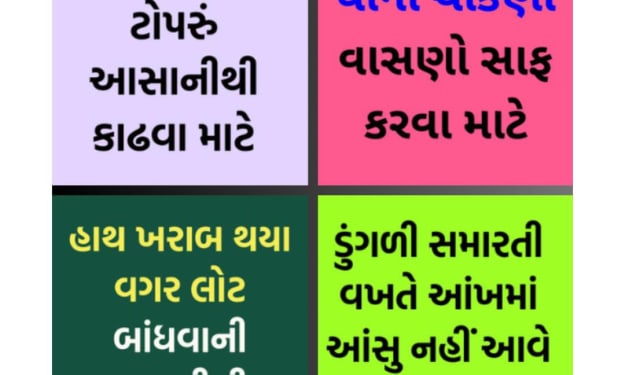
Useful household tips and cooking tips for every woman
Useful household tips and cooking tips for every woman To clean greasy utensils with ghee To clean greasy utensils with ghee by heating it, it is very tiring to clean the utensils that have been heated with ghee, or when we heat it, the ghee settles at the bottom and it cannot be cleaned in any way. To clean the utensils that have been heated with ghee quickly and easily, you need to put the utensil in which the ghee has been heated in some hot water and leave it for 10 to 15 minutes. The hot water will remove the grease from the ghee. Once the grease is removed, it will be easy for you to clean it. Now you can clean the bottom of the ghee by rubbing it with a wire with the help of powdered sugar.
By KETAN J HARANIYA2 years ago in Art
The Evolution of Street Art: From Rebellion to Recognition
Street art, once dismissed as vandalism, has now become one of the most dynamic and influential art forms of modern times. From the spray-painted walls of New York’s subway system to the large-scale murals of cities worldwide, street art has evolved into a respected form of artistic and political expression. Over the decades, what started as rebellious graffiti has transitioned into a celebrated movement, with artists like Banksy, Jean-Michel Basquiat, and Shepard Fairey pushing boundaries and redefining public art. Today, street art influences everything from advertising and fashion to museum exhibitions and social activism. The Origins of Street Art Street art can be traced back to ancient times when civilizations like the Egyptians and Romans carved symbols and messages into walls. However, the modern street art movement began in the late 20th century, particularly in the United States. 1. Graffiti Culture of the 1970s In the 1970s, New York City became the epicenter of graffiti culture. Young artists, often from marginalized communities, used subway trains and city walls as their canvases to make their voices heard. They developed unique “tags” (stylized signatures) and elaborate letter designs. This movement was both a form of self-expression and a rebellion against social and economic inequality. 2. Political and Social Commentary By the 1980s, street art began incorporating political messages. Artists like Keith Haring used bold, colorful imagery to advocate for social causes, including AIDS awareness and LGBTQ+ rights. Meanwhile, Jean-Michel Basquiat blended graffiti with fine art, critiquing racism and class struggles. 3. The Rise of Stencil Art The 1990s and early 2000s saw the emergence of stencil art, allowing artists to create detailed, repeatable images. Banksy, one of the most famous street artists, mastered this technique, using it to create satirical and thought-provoking works on war, capitalism, and surveillance. From Illegal to Institutionalized Despite its rebellious origins, street art has gained mainstream recognition. Cities now commission artists to create public murals, and museums host exhibitions featuring street art legends. 1. Street Art in Galleries and Museums Institutions like the Tate Modern in London and the Museum of Modern Art (MoMA) in New York have exhibited works by street artists, acknowledging their impact on contemporary art. Shepard Fairey, known for his Obey and Hope posters, has bridged the gap between street art and commercial success. 2. Legal Murals and Urban Beautification Many cities have embraced street art as a tool for urban beautification. Governments and businesses now hire artists to paint murals that celebrate local culture and history. Festivals like Miami’s Wynwood Walls and Australia’s Wonderwalls Festival showcase how street art can transform neighborhoods. 3. The Role of Social Media The rise of Instagram and TikTok has given street artists global exposure. Murals that once reached only local audiences can now go viral, turning unknown artists into international sensations. Social media has also made street art more interactive, with viewers engaging with artworks through photos and videos. The Impact of Street Art on Culture Street art has influenced various aspects of modern culture, from advertising to activism. 1. Influence on Fashion and Branding Luxury brands like Louis Vuitton and Nike have collaborated with street artists to create exclusive collections. The fusion of street art and fashion has blurred the lines between underground culture and mainstream design. 2. A Platform for Activism Street art has become a powerful tool for activism. Murals addressing climate change, human rights, and political oppression have appeared worldwide. In movements like Black Lives Matter and Fridays for Future, artists have used public spaces to amplify important messages. 3. Changing Public Perception Once seen as criminal activity, street art is now appreciated as a vital part of urban culture. While some still debate its legitimacy, there is no denying its artistic and cultural significance. The Future of Street Art As cities evolve, so does street art. Some trends shaping its future include: Augmented Reality (AR) Murals – Artists are integrating digital technology to create interactive street art experiences. Eco-Friendly Street Art – More artists are using sustainable materials, such as biodegradable paints, to reduce environmental impact. Corporate Sponsorships – While controversial, some artists collaborate with brands to reach wider audiences while maintaining creative freedom. Conclusion: Street Art as a Global Movement Street art has come a long way from its rebellious beginnings. What was once considered an act of defiance is now recognized as a legitimate and influential art form. Whether in the form of graffiti, stencils, or large-scale murals, street art continues to challenge, inspire, and beautify public spaces. In a world where walls speak, street art remains a voice for the unheard—a testament to creativity, resistance, and cultural evolution.
By Hridoy Hasan2 years ago in Art
The Timeless Beauty of Abstract Art
Art has long been a means of expressing emotions, ideas, and perspectives on the world. While realism captures life as it appears, abstract art takes a different approach—it breaks free from recognizable forms, focusing instead on colors, shapes, and textures. It is an art form that speaks directly to emotions, allowing each viewer to interpret it uniquely. From the bold colors of Wassily Kandinsky to the intricate patterns of Jackson Pollock, abstract art has evolved into one of the most influential movements in history. Despite its lack of traditional representation, it continues to inspire, challenge, and provoke thought. What is Abstract Art? Abstract art is a broad term that encompasses any artwork that does not attempt to represent an accurate depiction of reality. Instead, it uses form, color, and composition to create meaning. This style emerged in the late 19th and early 20th centuries as artists sought new ways to express ideas beyond traditional visual constraints. Unlike realism or portraiture, abstract art does not tell a direct story. Instead, it invites viewers to engage with the artwork on a personal level, drawing their own conclusions based on their emotions and experiences. A Brief History of Abstract Art The roots of abstraction can be traced back to the early 20th century when artists began experimenting with non-representational forms. Key movements that contributed to abstract art include: 1. Cubism (Early 1900s) Pioneered by Pablo Picasso and Georges Braque, cubism broke down objects into geometric shapes and multiple perspectives. While not fully abstract, it laid the foundation for a shift away from traditional representation. 2. Expressionism (1910s-1920s) Artists like Wassily Kandinsky and Egon Schiele used bold colors and distorted forms to convey deep emotions. Kandinsky, in particular, believed that art should function like music—evoking feelings without needing a concrete subject. 3. Abstract Expressionism (1940s-1950s) This American movement, led by artists like Jackson Pollock, Mark Rothko, and Willem de Kooning, emphasized spontaneity and emotion. Pollock’s drip paintings and Rothko’s large color fields became defining symbols of abstract expressionism. 4. Minimalism and Geometric Abstraction (1960s-Present) Artists such as Piet Mondrian and Frank Stella refined abstraction by focusing on geometric shapes, clean lines, and simplicity. Their work explored balance, order, and color relationships. Why is Abstract Art So Captivating? Many people wonder how a simple splash of paint or a set of geometric shapes can be considered art. The answer lies in abstract art’s ability to communicate beyond words. Here are a few reasons why it remains so compelling: 1. Freedom of Interpretation Unlike traditional paintings that depict specific subjects, abstract art allows viewers to create their own meanings. A single piece can evoke different emotions in different people based on personal experiences. 2. Emotional Connection Abstract art often conveys emotions rather than stories. The choice of color, movement, and texture can generate feelings of joy, sadness, chaos, or tranquility. 3. Breaking Conventions Abstract art challenges the idea that art must be realistic to be meaningful. It encourages viewers to think outside the box and appreciate the creative possibilities beyond the physical world. 4. Influence on Modern Design From interior design to fashion, abstract art has influenced various industries. Its bold colors, dynamic compositions, and minimalist aesthetics can be found in contemporary branding, advertisements, and even architecture. Famous Abstract Artists and Their Iconic Works To appreciate abstract art, it’s helpful to explore some of the most famous artists and their contributions: Wassily Kandinsky – Composition VII (1913) Considered one of the first purely abstract paintings, this piece uses color and form to express rhythm and emotion. Jackson Pollock – No. 5, 1948 Pollock’s famous drip painting technique created a sense of energy and movement, redefining artistic expression. Mark Rothko – Orange and Yellow (1956) His large, color-block paintings evoke deep emotional responses through the use of simple yet powerful compositions. Piet Mondrian – Composition with Red, Blue, and Yellow (1930) A prime example of geometric abstraction, Mondrian’s work emphasizes harmony through straight lines and primary colors. How to Appreciate Abstract Art For those unfamiliar with abstract art, it may seem difficult to understand. Here are some tips to help you engage with it: 1. Observe Without Judgment Instead of trying to figure out “what it is,” focus on how it makes you feel. Let the colors and shapes guide your emotions. 2. Look at the Composition Pay attention to balance, contrast, and movement within the artwork. Notice how different elements interact with each other. 3. Read About the Artist’s Intentions Learning about the artist’s background and techniques can provide insight into the meaning behind their work. 4. Trust Your Instincts Abstract art is meant to be personal. Your interpretation is just as valid as anyone else’s. Conclusion: The Endless Possibilities of Abstraction Abstract art continues to thrive in the modern era, challenging perceptions and inspiring creativity. It reminds us that art doesn’t always need to be literal—it can be felt, experienced, and interpreted in countless ways. Whether through a vibrant canvas of brushstrokes or a minimalist arrangement of geometric forms, abstract art speaks to the infinite ways we can express ourselves beyond words. It is an ever-evolving testament to the boundless imagination of human creativity.
By Hridoy Hasan2 years ago in Art