Contemporary Art
The Timeless Beauty of Renaissance Art
The Renaissance was a golden age of artistic achievement that changed the way we perceive and create art. From the 14th to the 17th century, this movement brought a revival of classical ideals, innovation in techniques, and a new focus on human beauty and realism. Even today, Renaissance art continues to inspire artists, designers, and historians. In this article, we will explore the origins of Renaissance art, its key characteristics, famous artists, and its lasting impact on the world. --- 1. The Birth of Renaissance Art The word "Renaissance" means "rebirth," and this era marked the revival of classical Greek and Roman ideas in Europe. Where It Began: The movement started in Italy, particularly in Florence, a city rich in culture and wealth. Why It Happened: The rediscovery of ancient texts, advancements in science, and support from wealthy patrons like the Medici family fueled this artistic explosion. Influence of Religion: Many Renaissance artworks depicted biblical scenes, but they also celebrated human beauty and intellect. This period marked a shift from medieval religious art to a more human-centered approach. --- 2. Characteristics of Renaissance Art Renaissance art is known for its beauty, balance, and realism. Some key features include: Realism and Humanism: Artists focused on accurate human anatomy, emotions, and natural movements. Perspective: The use of linear perspective created depth and three-dimensionality in paintings. Chiaroscuro: The use of light and shadow added drama and realism. Classical Influence: Many artworks incorporated Greek and Roman themes. Attention to Detail: Artists aimed for perfection in every aspect, from facial expressions to clothing textures. These techniques made Renaissance art more lifelike and emotionally engaging. --- 3. Legendary Artists of the Renaissance The Renaissance gave birth to some of the greatest artists in history. Leonardo da Vinci: A master of multiple disciplines, he painted The Mona Lisa and The Last Supper. Michelangelo: Known for his sculptures like David and his breathtaking work on the Sistine Chapel ceiling. Raphael: Created harmonious and graceful paintings such as The School of Athens. Titian: A pioneer of color and oil painting techniques. Each artist contributed to making the Renaissance an era of artistic revolution. --- 4. Renaissance Art’s Influence on Modern Creativity The impact of Renaissance art extends beyond paintings and sculptures. Architecture: Inspired classical buildings and modern designs. Fashion: Renaissance elegance influences modern haute couture. Film & Photography: Techniques like chiaroscuro are used in cinematography. Graphic Design: Renaissance principles of composition and proportion are still followed. Even digital artists and game designers draw inspiration from Renaissance masterpieces. --- 5. Why Renaissance Art Still Matters Despite being centuries old, Renaissance art remains relevant today. Timeless Beauty: The paintings and sculptures still captivate audiences. Cultural Legacy: Museums and galleries worldwide celebrate Renaissance works. Foundation of Modern Art: Many artistic principles were established during this period. Inspiration for New Artists: Renaissance techniques are still taught in art schools. Renaissance art is a testament to human creativity and ambition. --- Conclusion: A Legacy of Artistic Genius Renaissance art is not just history—it’s a living influence that continues to shape the world of creativity. From stunning frescoes to intricate sculptures, the masterpieces of this era remind us of the limitless potential of human expression. For anyone who loves art, understanding the Renaissance is essential—it’s where the past meets the future in perfect harmony.
By Hridoy Hasan2 years ago in Art
Abstract Art: The Freedom of Expression Beyond Reality
Abstract art is one of the most fascinating and controversial art forms. Unlike realistic paintings that depict the world as we see it, abstract art uses colors, shapes, and forms to express emotions and ideas. It challenges both artists and viewers to look beyond the obvious and find meaning in the unknown. In this article, we will explore the origins of abstract art, its key elements, famous abstract artists, and why it remains a powerful movement today. --- 1. The Origins of Abstract Art Abstract art emerged in the early 20th century as artists began to move away from traditional representations of reality. Early Influences: Impressionism and Post-Impressionism explored light and color over detail. Cubism, pioneered by Picasso and Braque, fragmented objects into geometric shapes. Expressionism emphasized emotions over realistic depictions. These movements laid the foundation for a completely non-representational art form—pure abstraction. --- 2. Key Elements of Abstract Art Abstract art does not follow strict rules, but certain elements define its style: Color: Bold, contrasting colors create emotional impact. Shapes and Forms: Circles, squares, and free-flowing forms replace recognizable objects. Lines and Movement: Brushstrokes and textures convey energy and rhythm. Composition: Balance and placement of elements create harmony or chaos. Emotion and Interpretation: Viewers find their own meaning based on personal feelings. Because abstract art lacks a clear subject, it invites deep thought and imagination. --- 3. Famous Abstract Artists and Their Impact Several artists have shaped abstract art with their unique approaches: Wassily Kandinsky: Considered the father of abstract art, his paintings expressed music and emotions through color. Piet Mondrian: Famous for his grid-based paintings with primary colors. Jackson Pollock: Known for his “drip paintings” that captured raw movement. Mark Rothko: Created large color-block paintings that evoke deep emotions. Each of these artists contributed to making abstraction a respected and powerful art form. --- 4. The Influence of Abstract Art Today Abstract art has influenced many areas beyond painting: Interior Design: Abstract patterns and paintings enhance modern spaces. Fashion: Designers use abstract prints in clothing and accessories. Graphic Design: Abstract elements create bold and striking visuals. Digital Art: AI and software allow for new abstract art forms. Even music and dance incorporate abstract concepts, proving that abstraction extends beyond visual art. --- 5. Why Abstract Art Matters Some people struggle to understand abstract art, but its value lies in its freedom of interpretation. Encourages Creativity: Artists are not limited by reality. Expresses Deep Emotions: Colors and forms can communicate feelings beyond words. Invites Personal Interpretation: Viewers connect with the art in unique ways. Breaks Traditional Rules: Shows that art has no boundaries. Abstract art proves that meaning can exist beyond the recognizable—it’s about feeling rather than seeing. --- Conclusion: The Endless Possibilities of Abstract Art Abstract art is not just about shapes and colors; it’s about imagination, emotion, and freedom. Whether on canvas, in digital form, or in design, abstraction continues to push creative boundaries. For those who love to explore the unknown, abstract art offers a world of limitless possibilities.
By Hridoy Hasan2 years ago in Art
The Power of Minimalist Art: Less is More
Minimalist art is a movement that proves the saying “less is more.” By removing unnecessary details and focusing on essential elements, minimalist artists create powerful, thought-provoking pieces. This style, which emerged in the 20th century, continues to influence modern art, architecture, and design. In this article, we will explore the origins of minimalist art, its key characteristics, famous minimalist artists, and how it continues to shape the art world today. --- 1. The Origins of Minimalist Art Minimalism as an artistic movement began in the 1960s as a reaction against abstract expressionism, which was full of emotion and complexity. Key Inspirations: Traditional Japanese aesthetics, which emphasize simplicity. The Bauhaus movement, which promoted functional design. The philosophy of “less but better” in design and art. Artists sought to remove unnecessary elements and focus on form, color, and space. --- 2. Characteristics of Minimalist Art Minimalist art is easy to recognize because of its simplicity and precision. Here are its main features: Limited Color Palette: Often uses black, white, and neutral tones. Geometric Shapes: Squares, circles, and lines dominate compositions. Clean Composition: No extra details—just the essential elements. Use of Space: Emphasizes emptiness and balance. Repetition: Simple forms repeated to create patterns or rhythm. This art form forces the viewer to focus on what’s truly important. --- 3. Famous Minimalist Artists Several artists have shaped the minimalist movement with their unique approaches: Donald Judd: Known for his geometric sculptures with clean lines. Frank Stella: Famous for his “Black Paintings” with simple striped patterns. Agnes Martin: Created soft, grid-like paintings with subtle tones. Yayoi Kusama: While known for her polka dots, her early work embraced minimalism. Their art challenges the idea that complexity equals value—sometimes, the simplest forms are the most meaningful. --- 4. Minimalism in Modern Art and Design Minimalist principles extend beyond paintings and sculptures—they influence many aspects of life: Interior Design: Clean spaces with neutral colors and functional furniture. Graphic Design: Simple logos and bold typography (e.g., Apple’s branding). Photography: Focused compositions with negative space. Fashion: Basic colors, simple silhouettes, and timeless styles. Minimalism has become a lifestyle, influencing not just art but how we live. --- 5. Why Minimalist Art Matters Today In a world full of distractions, minimalist art provides a sense of calm and clarity. Encourages Mindfulness: Viewers focus on essential elements without distraction. Creates Stronger Impact: Simple forms often evoke deeper emotions. Fits Any Space: Minimalist art blends well with modern interiors. Timeless Appeal: Unlike trends, minimalism never feels outdated. Minimalist art proves that beauty and meaning don’t require excess—they thrive in simplicity. --- Conclusion: Finding Beauty in Simplicity Minimalist art challenges us to appreciate the beauty of simplicity. Whether in a painting, a building, or a design, minimalism teaches us that sometimes, the most powerful message is the one left unsaid. If you’re looking for art that soothes the mind and sparks deep thought, minimalist art is the perfect choice.
By Hridoy Hasan2 years ago in Art
The Rise of Digital Art: A New Era of Creativity
Digital art has revolutionized the way we create and experience visual art. With the rise of advanced software, AI tools, and digital platforms, artists today have more freedom than ever before. This new era of creativity blurs the line between traditional techniques and technological innovation, opening up endless possibilities for artistic expression. In this article, we will explore the history of digital art, its key forms, famous digital artists, and how it is reshaping the future of the art industry. --- 1. The Evolution of Digital Art Digital art may seem like a recent phenomenon, but its roots go back to the 1960s when computers were first used to generate images. Early Digital Experiments: In the 1960s, artists like Harold Cohen created computer-generated art. In the 1980s, personal computers allowed more artists to experiment with digital tools. The 1990s saw the rise of Photoshop and digital painting software. The Internet’s Influence: Online platforms allowed digital artists to share their work globally. NFTs (Non-Fungible Tokens) emerged, changing how digital art is bought and sold. Digital art has evolved from simple pixel-based images to complex, interactive experiences. --- 2. Types of Digital Art Digital art is not limited to one style or technique. Here are some major forms: Digital Painting: Created using software like Photoshop, Procreate, or Corel Painter. 3D Art and Sculpting: Used in video games, animation, and virtual reality. AI-Generated Art: Tools like Midjourney and DALL·E allow AI to create unique artworks. Pixel Art: A retro style used in video games and illustrations. NFT Art: Digital collectibles that exist on the blockchain. Each of these forms pushes the boundaries of traditional art and introduces new ways to create and sell artworks. --- 3. The Impact of Digital Art on Artists and the Art Market The rise of digital art has transformed the way artists work and how art is valued. More Accessibility: Anyone with a computer or tablet can become a digital artist. Faster Creation Process: Artists can experiment and modify artworks instantly. Global Exposure: Digital platforms allow artists to reach audiences worldwide. New Revenue Streams: NFTs, digital prints, and commissions create income opportunities. However, some challenges remain, such as copyright issues and debates about AI-generated art. --- 4. Famous Digital Artists Shaping the Industry Several digital artists have gained recognition for their innovative work: Beeple (Mike Winkelmann): Sold an NFT artwork for $69 million, changing the art world. Pak: A mysterious digital artist known for abstract and conceptual NFT art. Loish (Lois van Baarle): A leading digital painter with a unique illustration style. Refik Anadol: Uses AI to create data-driven, interactive installations. These artists are proving that digital art is not just a trend—it’s the future. --- 5. How to Get Started with Digital Art Interested in digital art? Here’s how to begin: Choose the Right Software: Photoshop, Procreate, Blender, or Krita. Invest in a Graphics Tablet: Devices like Wacom or iPad Pro enhance control. Learn the Basics: Study color theory, lighting, and composition. Experiment with Different Styles: Try painting, 3D modeling, or animation. Build an Online Portfolio: Share your work on Behance, ArtStation, or Instagram. Digital art offers endless creative possibilities—anyone with passion can start today. --- Conclusion: The Future of Digital Art Digital art is more than just a new medium—it’s a revolution. As technology continues to evolve, so will artistic expression. From AI-powered creations to immersive virtual worlds, the future of digital art is limitless. Whether you’re an artist, collector, or admirer, now is the best time to explore the exciting world of digital creativity.
By Hridoy Hasan2 years ago in Art
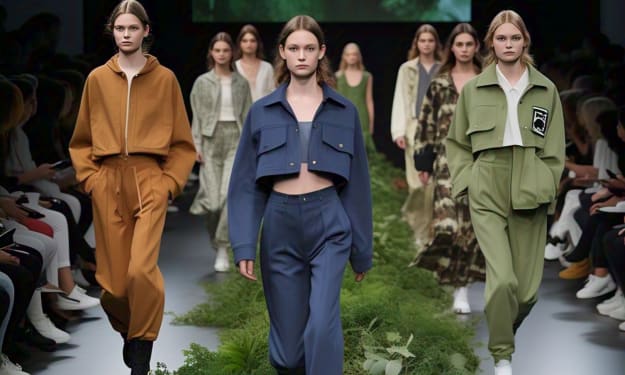
The Rise of Sustainable Fashion: How the Industry is Changing. AI-Generated.
.The fashion industry has long been criticized for its environmental and social impact. From the use of toxic chemicals and excessive water consumption to poor working conditions and waste generation, the industry's practices have been far from sustainable. However, in recent years, there has been a growing movement towards sustainable fashion. Consumers, designers, and brands are increasingly recognizing the need for change and are working together to create a more environmentally-friendly and socially-responsible industry. One of the key drivers of sustainable fashion is the growing awareness of the industry's environmental impact. The production and distribution of clothing require massive amounts of energy and resources, resulting in greenhouse gas emissions, water pollution, and waste generation. In response, many brands are adopting sustainable practices such as using organic cotton, recycled materials, and reducing waste. Some are also exploring new technologies such as 3D printing and digital printing to reduce their environmental footprint. Another key aspect of sustainable fashion is social responsibility. The industry has long been criticized for poor working conditions, low wages, and exploitation of workers. In response, many brands are prioritizing fair labor practices, transparency, and accountability. Consumers also play a critical role in driving sustainable fashion. By choosing to buy second-hand, renting clothing, and investing in timeless pieces, consumers can significantly reduce their fashion footprint. As the industry continues to evolve, it's clear that sustainable fashion is no longer just a trend, but a necessity. With the rise of conscious consumerism and technological innovation, the future of fashion looks brighter than ever.
By Joshua Happiness2 years ago in Art
The Importance of Digital Literacy in Today's World. AI-Generated.
.In today's digital age, technology plays a vital role in almost every aspect of our lives. From communication and education to employment and entertainment, digital technologies have transformed the way we live, work, and interact with ly another. However, despite the widespread adoption of digital technologies, many people still lack the skills and knowledge needed to effectively navigate the digital world. This is where digital literacy comes in. Digital literacy refers to the ability to use digital technologies to access, evaluate, and create information. It involves having the skills and knowledge needed to use digital devices, software, and online platforms to achieve specific goals and tasks. In today's world, digital literacy is essential for a wide range of reasons. For one, it enables people to access important information and services, such as online banking, healthcare, and education. It also enables people to connect with others and build relationships, whether for personal or professional purposes. Furthermore, digital literacy is critical for success in the modern workforce. Many jobs require employees to have basic digital skills, such as using email, creating documents, and navigating online platforms. To develop digital literacy skills, there are a variety of resources available. These include online tutorials and courses, digital literacy programs, and community-based initiatives. In conclusion, digital literacy is a critical skill in today's digital age. It enables people to access important information and services, connect with others, and succeed in the modern workforce. By developing digital literacy skills, individuals can unlock new opportunities and improve their overall quality of life.
By Joshua Happiness2 years ago in Art
Expert of Ancient Painting and Precision
The name Apelles has reverberated throughout the history of art, and he is considered by many to be the greatest painter of antiquity. He has no surviving works, yet the stories of his skill and offerings to the art of painting never cease to inspire artists and scholars alike.
By Rohitha Lanka2 years ago in Art
The Impact of Technology on Mental Health. AI-Generated.
. In recent years, technology has become an integral part of our daily lives. We use smartphones, computers, and other devices to communicate, work, and entertain ourselves. However, there is growing concern about the impact of technology on mental health. One of the main ways in which technology affects mental health is through social media. Social media platforms like Facebook, Instagram, and Twitter can be breeding grounds for anxiety, depression, and loneliness. People compare their lives to the curated highlight reels of others, leading to feelings of inadequacy and low self-esteem. Another way in which technology affects mental health is through sleep deprivation. The blue light emitted by smartphones, computers, and televisions can suppress the production of melatonin, the hormone that regulates sleep. This can lead to insomnia, daytime fatigue, and other sleep-related problems. In addition to social media and sleep deprivation, technology can also affect mental health through cyberbullying, online harassment, and the constant stream of news and information. This can lead to feelings of overwhelm, anxiety, and stress. Despite these risks, technology can also have positive effects on mental health. For example, online therapy platforms can provide access to mental health services for people who may not have been able to access them otherwise. Social media can also be used to connect with others, build communities, and raise awareness about mental health issues. To mitigate the negative effects of technology on mental health, it's essential to maintain a healthy balance between technology use and other aspects of life. This can involve setting boundaries around technology use, engaging in offline activities, and practicing self-care.
By Joshua Happiness2 years ago in Art
How to Choose the Perfect Home Decor Items for Your Style?
Home decorating is not merely throwing furniture into your house; it's more about creating an area that reflects you. Whether you want a cosy, minimalist style or an eclectic, dramatic one, the right Home decor items can ultimately make or ruin a room. But with so many options out there, it gets a bit confusing. Don't worry—we've got your back. We've got the inside scoop so you can choose the right home decor items to go with your style.
By Pure Home And Living2 years ago in Art
15 Best AI Image Generators for 2025
What's the Best AI Image Generator for 2025? AI-generated imagery has transformed art, design, marketing, and entertainment. AI image generators have become more advanced creating everything from lifelike portraits to imaginative digital artwork with just a few text prompts.
By Aboah Obadiah2 years ago in Art