
Nobody Actually Listens to Albums Anymore
People still talk about albums like they matter.
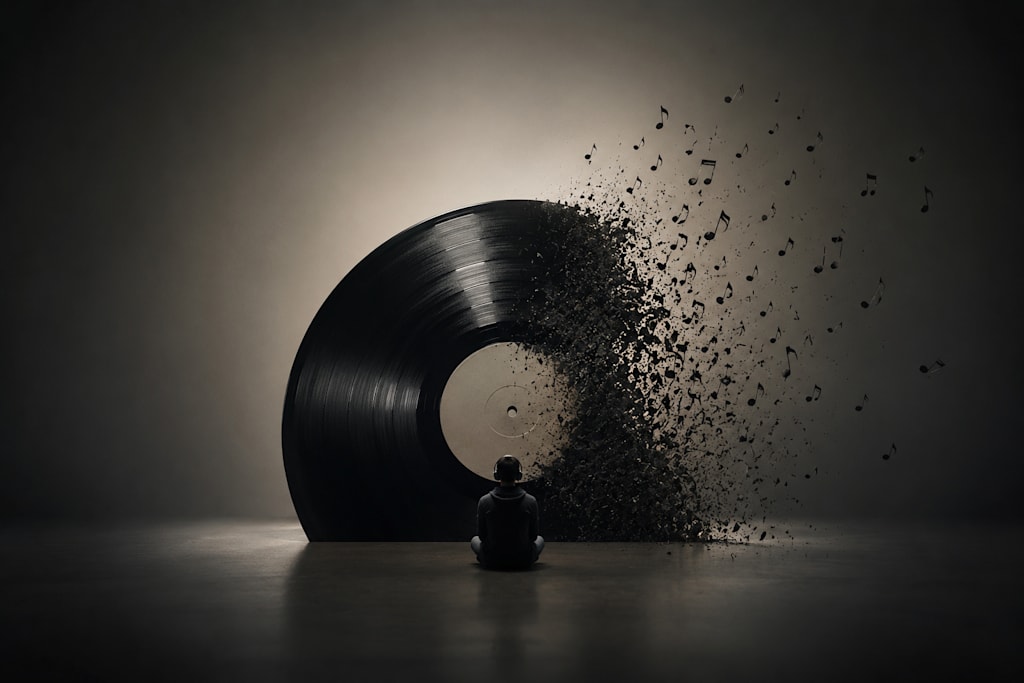
But most listeners don’t experience music that way anymore.
They experience fragments.
A chorus on TikTok.
A trending snippet on Instagram.
A gym edit.
A sped-up version on YouTube Shorts.
A random playlist while scrolling.
The modern listener rarely sits alone and absorbs an album from beginning to end.
And that changes music more than most people realize.
Albums used to feel like worlds. Artists carefully designed track order, pacing, emotional progression, intros, transitions, and atmosphere. Listening to an album felt like entering someone’s mind for an hour.
Now music competes against constant digital distraction.
Notifications.
Videos.
Messages.
Memes.
Algorithms.
Attention became shattered.
And once attention collapsed, albums started losing cultural power.
Streaming platforms quietly accelerated this shift. Their entire system rewards convenience and endless consumption:
autoplay
algorithmic playlists
mood-based recommendations
skip-friendly design
passive listening
Everything pushes listeners toward isolated songs instead of full artistic experiences. read more about it here.
That’s why playlists replaced albums psychologically.
People no longer ask:
“What album are you listening to?”
They ask:
“What’s your playlist?”
That difference matters.
Playlists are designed for flow.
Albums are designed for intention.
And intention requires focus — something modern internet culture increasingly destroys.
Artists adapted because they had no choice.
Songs became shorter.
Hooks arrive instantly.
Intros disappear.
Albums feel bloated with filler tracks designed to increase streaming numbers.
Some musicians now openly admit they think about “TikTok moments” before finishing songs.
Imagine how insane that would sound twenty years ago.
The internet transformed music from emotional experience into attention warfare.
And listeners changed too.
People skip songs within seconds now. If a track doesn’t create instant stimulation, the algorithm punishes it. Streaming platforms monitor retention obsessively because keeping users engaged matters more than artistic depth.
The result is a generation trained to consume music quickly instead of living with it.
That’s why so many modern albums feel huge for one week and emotionally invisible a month later.
Listeners don’t spend enough time with them anymore.
Classic albums became classics partly because people replayed them obsessively. They sat with difficult songs. They discovered hidden details over time. Emotional connection deepened slowly.
Modern internet culture rarely allows slowness.
Everything must hit immediately.
Even fan culture reflects this change.
People discuss first-week sales, Spotify streams, and chart positions more than the actual emotional content of albums. Numbers became part of entertainment itself.
At some point, statistics became more important than music.
And maybe that’s because streaming platforms turned music into background infrastructure for everyday life:
studying
gaming
workouts
driving
scrolling social media
Music became constant.
But constant access weakens emotional intensity.
When something is endlessly available, people stop valuing it deeply.
That’s the paradox of streaming culture:
we gained infinite access while losing meaningful connection.
Of course, incredible albums still exist.
But increasingly, albums succeed despite the system — not because of it.
The modern internet rewards immediacy, repetition, and short attention cycles.
Great albums often require patience.
And patience is becoming culturally rare.
About the Creator
Enjoyed the story? Support the Creator.
Subscribe for free to receive all their stories in your feed.
Comments
There are no comments for this story
Be the first to respond and start the conversation.