
Ida Shaghoian and the Quiet Power of Water in Contemporary Painting
How Reflection, Flow, and Atmosphere Shape Emotional Storytelling in Art

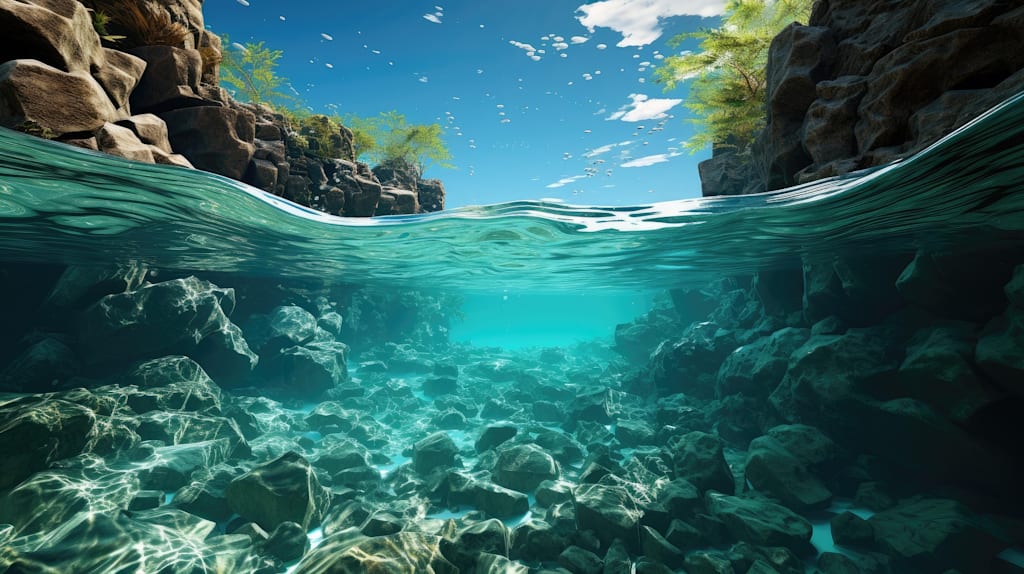
Ida Shaghoian is a contemporary painter whose work explores the dialogue between memory, emotion, and the natural world. With a visual style that blends abstraction and realism, her paintings are layered with vibrant color, textured surfaces, and subtle atmospheric details that encourage viewers to reflect on their own emotional experiences. Across many interpretations of her artistic themes, water emerges as a recurring symbolic presence that represents memory, emotional movement, and the evolving nature of identity. Rivers, reflections, and fluid surfaces become more than visual details. They function as emotional metaphors that connect viewers to ideas of change, introspection, and personal transformation.
Water as a Symbol in Visual Art
Water has remained one of the most enduring symbols in art because it naturally reflects movement and change. Unlike solid structures that remain fixed in place, water constantly shifts shape, reflects light differently, and adapts to its surroundings. These qualities allow artists to use water imagery as a way of expressing emotions that are often difficult to describe directly.
In painting, water can symbolize calmness, uncertainty, healing, isolation, or emotional depth depending on the atmosphere surrounding it. A still lake may evoke quiet reflection, while a rushing river may suggest transition or emotional tension. Because water changes continuously, it mirrors the way memory and emotion evolve over time.
This symbolic flexibility is one reason water remains so powerful in contemporary art. Viewers naturally connect water to personal experiences and emotional states. Rain may remind someone of grief or renewal, while oceans and rivers may recall memories of distance, movement, or change. These associations create a deeply human connection between the viewer and the artwork.
The Emotional Meaning of Rivers
Among the many forms of water imagery used in art, rivers carry especially strong symbolic meaning. Rivers are always moving forward, making them closely connected to ideas of time, growth, and emotional transition. They represent journeys that cannot be reversed.
In emotionally driven painting, rivers often symbolize the passage of memory through human experience. Just as water flows continuously through changing landscapes, emotions move through different stages of life. Certain memories remain vivid, while others become fragmented or distant. The river becomes a metaphor for emotional continuity.
Layered textures and flowing compositions strengthen this symbolism by creating the impression of movement across the canvas. Thick paint applications may resemble erosion or sediment, suggesting that emotional experiences leave lasting marks over time. Softer visual transitions may evoke fading recollections or moments of introspection.
Water imagery also introduces the idea of emotional distance. Looking across a river may symbolize separation from a past version of oneself or from an important memory. Crossing water may represent personal growth, healing, or transformation. These symbolic interpretations create emotional depth without relying on direct storytelling.
Reflection and Self Awareness
Reflective surfaces have fascinated artists for generations because they blur the line between reality and perception. A reflection appears recognizable, yet it is unstable and temporary. The slightest movement can distort the image completely.
This quality makes reflections powerful symbols of identity and emotional awareness. In contemporary painting, reflections often represent introspection and the search for self understanding. They suggest that identity is never entirely fixed or complete.
Reflections in symbolic artwork rarely appear perfectly clear. Instead, they blur, dissolve, or fragment across the surface. These distortions become emotionally meaningful because they mirror the complexity of memory and personal perception. Viewers encounter something familiar while also sensing uncertainty.
The emotional tension between presence and absence also plays an important role in reflective imagery. A reflection feels close, yet it cannot be physically reached. It exists only temporarily before disappearing again. This fragile quality reinforces themes of vulnerability and impermanence.
For many viewers, reflective surfaces encourage personal interpretation. One person may see nostalgia within a mirrored landscape, while another may sense loneliness or emotional renewal. The openness of symbolic imagery allows viewers to connect emotionally through their own experiences.
Fluidity and Emotional Movement
Water possesses a natural relationship with movement, even in moments of apparent stillness. Beneath calm surfaces there is always the possibility of motion and change. This makes fluid imagery especially effective for expressing emotional states within contemporary painting.
Gentle ripples may symbolize anticipation or uncertainty. Expanding circles on water may represent the lasting emotional impact of a single experience. Waves may communicate emotional intensity, while still surfaces may suggest temporary peace or introspection.
Texture contributes significantly to this emotional atmosphere. Thick brushstrokes can create the illusion of flowing currents, while translucent layers may evoke depth and fragility simultaneously. Through these visual techniques, the physical surface of the painting begins to mirror emotional experience itself.
The connection between water and emotional movement also reflects the passage of time. Water changes continuously in response to weather, light, and physical interaction. Emotions behave similarly. Feelings evolve, perspectives shift, and memories transform according to lived experience.
For Ida Shaghoian, this recurring symbolic language creates a visual exploration of adaptation and emotional resilience. Water becomes a reminder that transformation is not separate from human experience but deeply connected to it.
Nature as an Emotional Landscape
Nature has always played an important role in visual storytelling because it reflects emotional experience in symbolic ways. Mountains may suggest endurance, forests may evoke mystery, and open skies may symbolize freedom or isolation. Water remains especially powerful because it can appear calm, violent, reflective, transparent, or mysterious depending on the surrounding atmosphere.
In contemporary painting, landscapes often become emotional environments rather than literal places. Artists use color, texture, and composition to communicate feeling as much as physical detail. Water therefore functions not only as scenery but also as an emotional extension of the viewer’s internal world.
A shoreline at dusk may feel peaceful and melancholic at the same time. Rain may symbolize grief in one context and renewal in another. Mist rising from water can blur the boundary between memory and reality.
These layered meanings allow symbolic water imagery to remain emotionally accessible while still deeply personal. Viewers recognize familiar emotional experiences within the changing forms of nature.
Color, Texture, and Atmosphere
The emotional power of water imagery depends heavily on technical execution. Color choices and texture influence how viewers interpret atmosphere and emotional tone.
Cool tones such as blue, silver, and muted green often evoke introspection and emotional quietness. Darker surfaces may suggest mystery or emotional depth, while warmer highlights can introduce tension, warmth, or hope.
Texture adds another layer of emotional meaning. Smooth surfaces may create calmness and stillness, while heavily layered paint can communicate turbulence or emotional intensity. Fragmented brushwork may evoke fractured memory or emotional instability.
The illusion of depth is also important in paintings centered on reflection and fluidity. Reflective surfaces may reveal both what exists above the water and what lies beneath it. This layered visibility mirrors the relationship between outward appearance and hidden emotional experience.
By combining abstraction with recognizable forms, contemporary painters create visual spaces that invite contemplation rather than fixed interpretation. Viewers become emotionally involved in the artwork through their own memories and associations.
Impermanence and the Beauty of Change
One of the most meaningful symbolic qualities of water is its connection to impermanence. Water never remains in a single form. It flows, evaporates, freezes, reflects, and transforms continuously.
This constant state of change makes water an effective metaphor for human experience. Relationships evolve, identities shift, and emotional understanding develops over time. Contemporary audiences often connect strongly with artwork that acknowledges this emotional reality.
The beauty of water symbolism lies in its ability to present change as meaningful rather than destructive. A reflection may disappear when the surface moves, but another reflection eventually appears. A river leaves one landscape behind while continuing toward another destination.
These symbolic ideas transform impermanence into something reflective and emotionally resonant. Change becomes part of life’s natural rhythm rather than something to fear.
Through water imagery, contemporary painting encourages viewers to accept emotional growth and transformation as essential parts of being human.
Conclusion
Water continues to hold extraordinary symbolic power in contemporary art because it reflects the changing nature of memory, identity, and emotional experience. Through rivers, reflections, and fluid surfaces, artists communicate feelings that are deeply personal while remaining universally understood.
Reflective imagery encourages introspection, flowing forms symbolize emotional movement through time, and layered textures embody vulnerability and transformation. These visual experiences invite viewers to slow down, reflect, and connect emotionally with the artwork.
Within this symbolic tradition, Ida Shaghoian contributes to a broader conversation about memory, atmosphere, and emotional storytelling in contemporary painting. Through imagery that blends abstraction and realism, the work associated with her artistic vision encourages viewers to explore how reflection and change shape the emotional landscapes of human experience.
About the Creator
Ida Shaghoian
Ida Shaghoian is a painter exploring memory, emotion, and nature through textured, vibrant works that blend abstraction and realism and invite quiet reflection.
Enjoyed the story? Support the Creator.
Subscribe for free to receive all their stories in your feed.
Comments
There are no comments for this story
Be the first to respond and start the conversation.