
Ida Shaghoian and the Emotional Architecture of Light in Contemporary Painting
How transitional illumination shapes perception, memory, and emotional experience in visual art

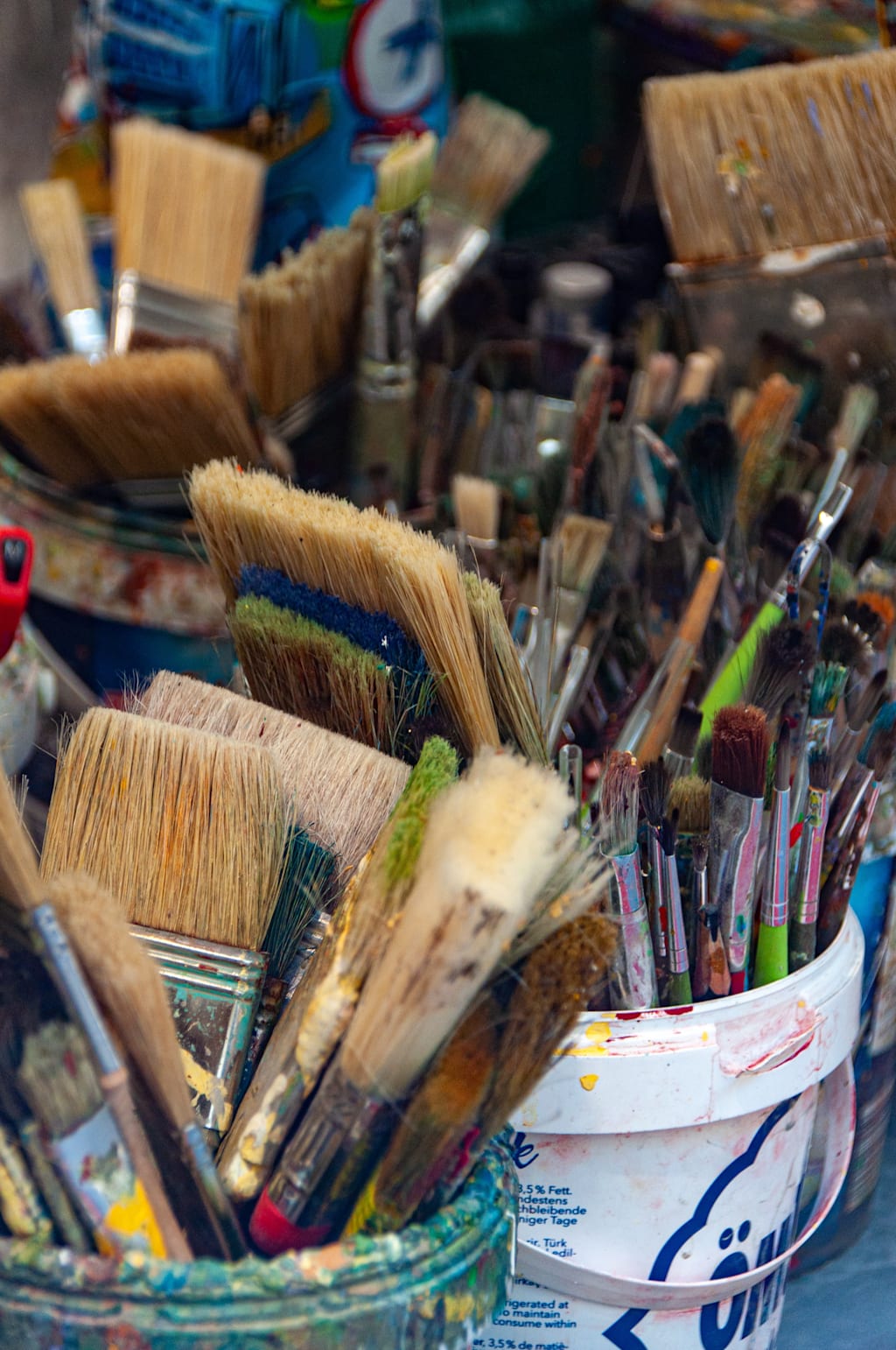
Ida Shaghoian and the Language of Visual Emotion
Ida Shaghoian is a contemporary painter whose work explores the dialogue between memory, emotion, and the natural world. Through textured, vibrant works that blend abstraction and realism, she creates compositions that invite quiet reflection and personal interpretation. Her paintings often focus on how perception shifts through subtle changes in light, especially during transitional moments such as dawn and dusk. In this context, Ida Shaghoian uses painting as a way to explore how emotional experience is shaped by visual conditions. Rather than presenting fixed scenes, her work opens space for uncertainty, allowing meaning to emerge gradually through observation and reflection.
Light as a Framework for Meaning
Light plays a central role in how humans interpret the visual world. It defines form, creates depth, and influences emotional tone. In contemporary painting, however, light can also function as a conceptual structure rather than only a visual tool. This approach is evident in the work of Ida Shaghoian, where light becomes a way to express emotional and psychological states.
Transitional light, such as that found at dawn or dusk, is especially important because it exists in a state of change. It does not remain constant, and this instability allows it to reflect shifting emotions. Instead of clearly defining objects, it softens boundaries and introduces ambiguity. This creates a space where viewers are encouraged to slow down and engage more deeply with what they see.
In this sense, light becomes less about visibility and more about interpretation.
Dawn and the Process of Emotional Emergence
Dawn is a moment of gradual transformation. It is the point where darkness begins to dissolve and light slowly enters the environment. In visual art, this transition can represent emotional emergence, where thoughts and feelings begin to surface but are not yet fully formed.
In the visual language associated with Ida Shaghoian, dawn is not presented as a dramatic shift but as a quiet unfolding. Forms may appear indistinct at first, gradually gaining clarity as light increases. This reflects how human awareness often develops, moving from uncertainty toward understanding over time.
Dawn also carries a sense of possibility. It suggests that something is beginning, though its outcome is not yet known. This openness allows viewers to connect the imagery to their own experiences of change and emotional discovery.
Dusk and the Reflection of Memory
If dawn represents emergence, dusk represents reflection. It is the moment when light begins to fade, and visual detail becomes softer and less defined. In the context of Ida Shaghoian, dusk is closely linked to memory and introspection.
As illumination decreases, the visual world takes on a more atmospheric quality. This shift mirrors how memory operates, where experiences are not always recalled clearly but instead exist as impressions shaped by time and emotion.
Dusk is not simply an ending. It is a transition that holds both presence and absence. It creates a space where past and present overlap, allowing viewers to reflect on their own experiences and associations. This quality makes it a powerful emotional reference point within contemporary painting.
The Importance of In-Between States
Between dawn and dusk exists a continuous range of transitional light. This in-between condition is central to the visual and conceptual approach of Ida Shaghoian. It is a space where certainty dissolves and interpretation becomes active.
In this liminal zone, forms are not fully defined, and meaning is not fixed. Instead, the viewer is invited to participate in constructing understanding. This engagement reflects the complexity of human perception, where clarity is often partial and constantly shifting.
The in-between state also mirrors emotional experience. People rarely exist in absolute conditions of joy, sadness, or certainty. Instead, emotions overlap and evolve. By focusing on this transitional space, the work reflects the fluid nature of lived experience.
Color as Emotional Atmosphere
Color is a key element in shaping how transitional light is perceived. It does not simply describe objects but establishes emotional tone and atmosphere. In the paintings associated with Ida Shaghoian, color functions as a subtle emotional guide.
Warm tones may suggest closeness or emotional intensity, while cooler tones can evoke distance or calm reflection. When these tones interact within a single composition, they create a sense of balance and tension.
These color relationships also contribute to the feeling of movement within the work. Light appears to shift across the surface, reinforcing the idea that the painting is not static but evolving.
Texture and the Sense of Time
Texture adds another layer of meaning to the experience of light. It creates physical depth and allows light to interact with the surface in varied ways. In the work of Ida Shaghoian, texture often suggests the passage of time.
Layered paint creates visual complexity, where earlier marks remain visible beneath newer additions. This layering process reflects how experiences accumulate over time, with past moments continuing to influence the present.
Texture also encourages closer observation. Subtle variations become more apparent when viewed attentively, reinforcing the idea that meaning develops gradually rather than immediately.
Emotional States Within Transitional Light
Transitional light naturally aligns with emotional conditions that are fluid and evolving. Longing, nostalgia, and transformation are not fixed experiences but shifting states shaped by perception and memory.
In the visual framework of Ida Shaghoian, these emotional states are not directly depicted. Instead, they are suggested through atmosphere, color, and form.
Longing may appear in areas where light is incomplete or fading. Nostalgia may emerge in softened edges and muted contrast. Transformation is expressed through gradual transitions between light and shadow. These elements work together to create an emotional environment rather than a defined narrative.
Perception as an Active Experience
Viewing art is not a passive act. It involves interpretation, attention, and emotional response. In the context of Ida Shaghoian, perception becomes an essential part of the artwork itself.
Because forms are often open and ambiguous, the viewer plays an active role in shaping meaning. This interaction creates a dynamic relationship between image and observer. Each viewing experience may differ depending on context, memory, and emotional state.
This variability ensures that the work remains open and continuously relevant, allowing new interpretations to emerge over time.
Transformation as Continuous Process
Transformation in nature is rarely abrupt. It occurs gradually, often without clear boundaries. Light itself reflects this process, shifting continuously throughout the day.
In the visual approach associated with Ida Shaghoian, transformation is expressed through subtle changes in color, texture, and form. These shifts suggest movement rather than fixed change.
This idea reflects how personal growth and emotional development occur. They are often slow and only fully understood in reflection. By emphasizing continuity, the work highlights the ongoing nature of experience.
Conclusion: Light as a Way of Understanding
The exploration of transitional light in contemporary painting reveals how visual elements can carry emotional meaning. In the work associated with Ida Shaghoian, light becomes a structured language for expressing memory, perception, and transformation.
Dawn and dusk are not just moments in time. They are emotional conditions that reflect how people experience change and reflection. The space between them becomes a meaningful area of interpretation, where clarity is always forming but never fully fixed.
Through subtle shifts in tone, texture, and composition, these paintings encourage thoughtful engagement and personal interpretation. They invite viewers to slow down and observe carefully, creating a deeper connection between visual experience and emotional understanding.
About the Creator
Ida Shaghoian
Ida Shaghoian is a painter exploring memory, emotion, and nature through textured, vibrant works that blend abstraction and realism and invite quiet reflection.
Enjoyed the story? Support the Creator.
Subscribe for free to receive all their stories in your feed.
Comments
There are no comments for this story
Be the first to respond and start the conversation.