
Concert setlist is much more than a simple song list. It is strategy, storytelling, and often psychology.
And why fans continue searching endlessly for setlists from artists like Metallica, Coldplay, Taylor Swift, or Bruce Springsteen.
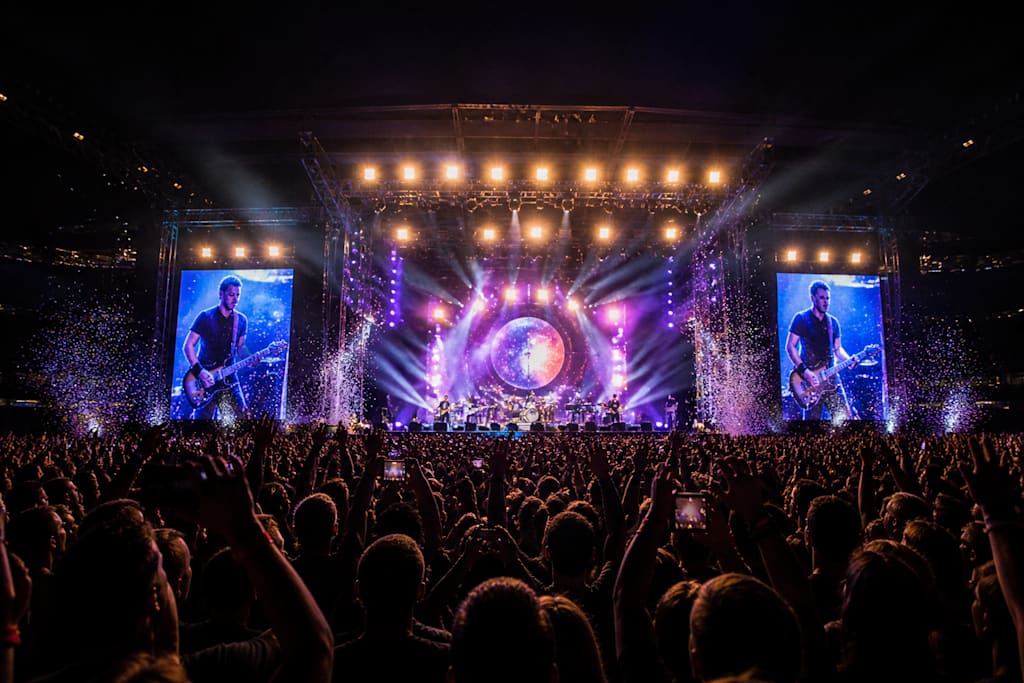
In the age of streaming, where every song ever recorded is only a click away, there is still something special about the concert setlist. Fans do not just go to see a band—they go to experience the exact sequence of songs, the emotional journey, and the surprises that happen live on stage. Whether it is Metallica opening with “Creeping Death” or Coldplay closing a stadium night with “Fix You,” the setlist is often the heart of the concert itself.
That is why searching for concert setlists or setlist maker has become a full niche of its own online. Millions of fans check previous shows before attending a concert, trying to guess what they will hear live. Websites like Setlist.fm have turned this curiosity into a global habit, becoming one of the most visited platforms for live music fans.
A concert setlist is much more than a simple song list. It is strategy, storytelling, and often psychology. Artists carefully decide how to start strong, when to slow things down, and how to create the perfect finale. Opening with a massive hit can energize the crowd instantly, while saving the biggest anthem for the encore creates maximum anticipation.
Take Metallica as an example. Their recent M72 World Tour became famous for its “No Repeat Weekend” concept: two nights in one city, two completely different setlists, and no repeated songs. According to Ticketmaster, their typical 2025 sets included classics like “Master of Puppets,” “Enter Sandman,” “Seek & Destroy,” and “For Whom the Bell Tolls,” while also mixing in newer songs from *72 Seasons* like “Lux Æterna” and “Screaming Suicide.” Their average show length is around two hours, with roughly 16 songs per night.
This kind of structure creates huge demand for setlist searches. Fans attending Night 2 want to know what was played on Night 1. Others simply want to prepare—learning lyrics, planning videos, or predicting the encore.
Coldplay fans do the same thing, though for very different reasons. Their concerts are less about heavy riffs and more about emotional build-up, visuals, and audience participation. Fans want to know when “Yellow,” “Viva La Vida,” or “A Sky Full of Stars” will arrive, because those are often the moments when stadiums light up with phones, LED wristbands, and collective singalongs. Timing matters.
This obsession has created a real niche market. Searching “Metallica setlist tonight” or “Coldplay concert songs 2026” is now standard behavior before major shows. Some fans even compare city-by-city differences, debating which audience got the better night.
Reddit communities are full of this behavior. In one Reddit discussion, fans explained that Metallica usually performs about 16 songs today, while older tours like the Black Album era often reached over 20 songs. Others pointed out that no one truly knows the final setlist before the show because the band can still change it backstage minutes before performance.
That unpredictability is part of the appeal. Streaming gives certainty; live music offers risk. Maybe your favorite deep cut appears. Maybe it does not. That uncertainty keeps fans emotionally invested.
For artists, setlists are also branding tools. A predictable show may satisfy casual fans, but a changing setlist builds loyalty among hardcore followers. Metallica understands this perfectly. Their most played songs—“Master of Puppets,” “Creeping Death,” “Seek & Destroy,” “For Whom the Bell Tolls,” and “One”—appear frequently, but never in exactly the same way. Setlist.fm shows these songs have each been played well over 1,600 times live, proving how central they are to the band’s identity. ([Setlist.fm][3])
There is also a business side. Setlists drive engagement, ticket sales, and even travel decisions. Fans may decide to attend multiple nights because they know the songs will differ. Festivals benefit too, as unique setlists increase repeat attendance and online buzz.
In many ways, the concert setlist has become content itself. People discuss it before the show, post it during the show, and archive it after the show. It lives beyond the performance.
In a digital world overflowing with playlists generated by algorithms, the human-made concert setlist feels more valuable than ever. It reflects artistic choice rather than machine prediction. It creates memories tied to place and time—“that was the night they played that song.”
That is why this full niche exists, and why fans continue searching endlessly for setlists from artists like Metallica, Coldplay, Taylor Swift, or Bruce Springsteen.
Because sometimes, the magic of a concert is not just who is on stage.
It is knowing exactly what comes next.
About the Creator
Enjoyed the story? Support the Creator.
Subscribe for free to receive all their stories in your feed.
Comments
There are no comments for this story
Be the first to respond and start the conversation.