
5 Generations of Fashion.
"Hey Dad, Liz Clayborne Is On The Phone".

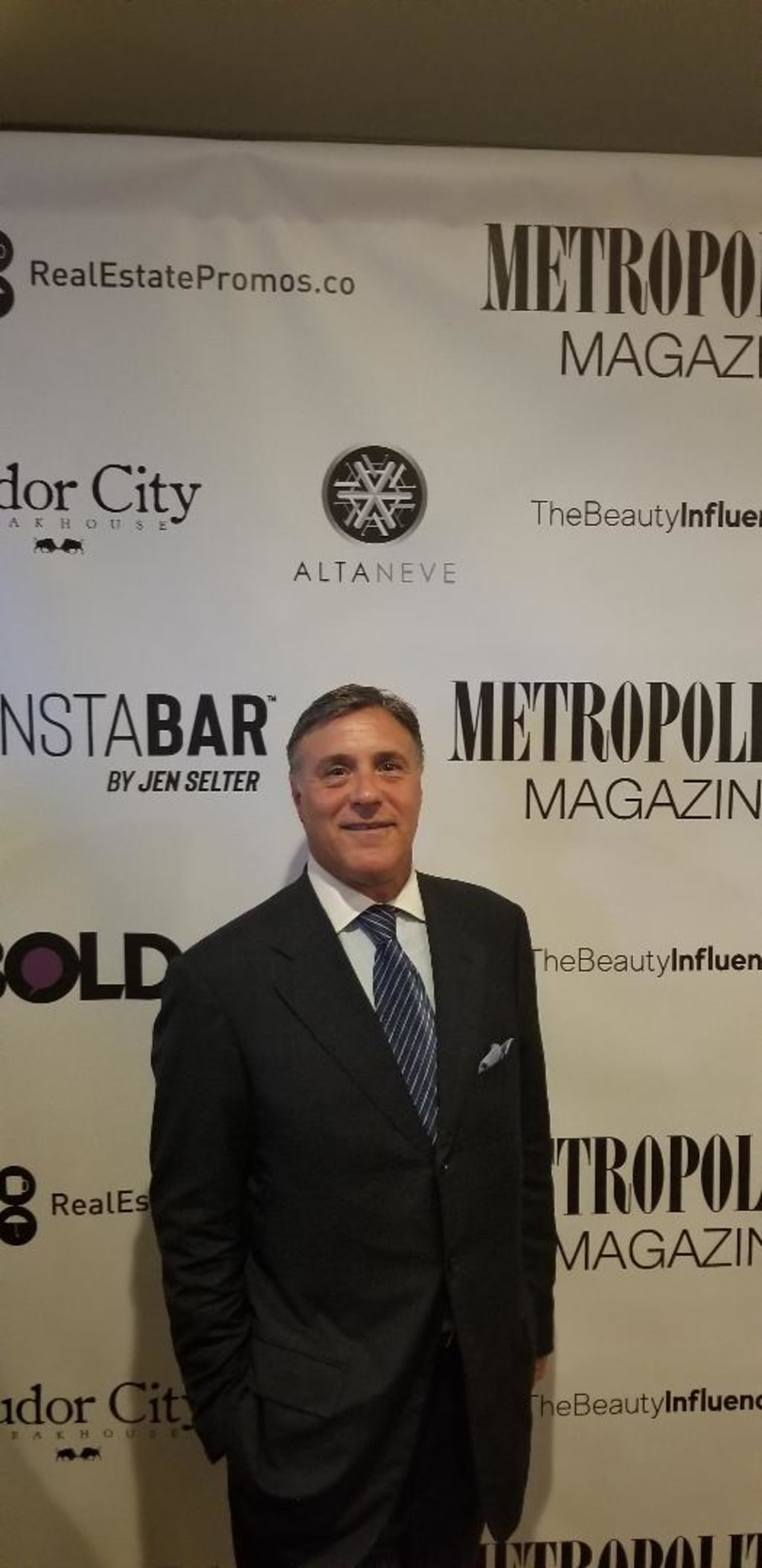
This article is being written for GQ Magazine.
Next to Vogue, being in GQ Magazine is the highlight for me to be written about. Fashion has always been a part of my life. My family has been in textiles for 5 generations. Watching my Mom and Dad dress since I was a little boy got me interested in cloths. When we moved from Upper Saddle River, New Jersey to Saddle River, New Jersey, I had an "accordion closet" that held all of my cloths. At the age of 16, I already had about 10 suits, 8 blazers and 8 pair of dress shoes. My parents had a dry cleaners garment machine that swung around so that they could see the vast amounts of garments in their closet.
When I went to college in 1979, fashion was booming, from Oscar Della Renta to Yves St Laurent, New York City was at the forefront of the latest fashion from Paris, Milan and London. My Sophomore year featured a movie called "American Gigolo". The overcoat that Gere wore in the movie was designed by Giorgio Armani, "a must have" by the in style person.
The 1980's would usher in designers like "Halston", Armani", "Norma Kamali" and a young designer named Donna Karen. Karen would bring the color black in almost everything in her couture line. It ultimately served New Yorker's well because it gave us a feeling of specialty, it gave us attitude when we went out. The same could be said for the men in"Halston". The black suits, the white shirts and the black ties were all the rage in the 80's.
My family started at the turn of the 1800's dying and finishing fabric. It took them out of poverty and into society by the 1950's. My father and my uncle Phil were the two most successful, as was my second uncle Danny. Creating fabrics and finishes, my family was well known in the trade. Even the relatives who did not go into the industry became chemists, some of them were Ph.D's in the field.
It was either the late 1960's, or the early 1970's when Liz Clayborne started her business. My father put her on the map by dying most of her cottons, broadcloth's and the like. She often called our house around dinner time to go over what was dyed and finished for the day with my dad. I did not know who she was until I saw her massive factory on the Turnpike one night coming home from a Ranger's hockey game.
In the 1960's, however, things were changing in America; things that most American's did not see coming, nor, ever imagined: imports were starting to eat into our manufacturing base and this would eventually destroy our country.
In the 60's, Richard Nixon not only opened the doors with China, he started the EPA (Environmental Protection Agency) as well as OCHA, another environmental organization that would target businesses. The EPA was the largest organization that closed many factories across many industries from the 1970's thru the 2000's.
Just in textiles alone(not counting chemical, pharmaceutical, paper, steel, electronics...) the 1980 textile bill passed by Ronald Reagan, GAAT/NAFTA passed by Bill Clinton and the final nail in the coffin, The Fair Trade With China Act passed by Bush the second. All of the presidents, notwithstanding Bush the first, Jimmy Carter, were all disastrous to the manufacturing in America. All of these presidents ran anathema to what Eisenhower gave us... growth, prosperity and wealth.
GAAT/NAFTA put a lot of greige mills , dye plants, converters, manufactures and stores out of business. Speaking only to textiles, it also put a lot of manufactures in other industries out as well. When a company goes out, not only does it affect workers (it took one year off the lives of the workers affected), it affects the truckers who delivered there, the fax salesman, the pencils, pens no longer bought, the corrugated used, the brooms to clean with, all gone away. This affected towns, cities and even states by these closures. Historic cities like Paterson, New Jersey, Troy, New York; Fall River, Rhode Island to name a few were decimated leaving many of these cities to become crime ridden as well as drug dens.
As steel went, so did textiles, the two largest job creators in the United States. Politicians who never held a job in industry, kept giving away industry after industry. The EPA chased out companies who would seek countries like China and India who pollute with reckless abandon. The cheap labor too would entice bigger companies to more business friendly countries. The result: today China, who in the 80's could not light off a fire cracker, now has hyper-sonic missiles, tremendous wealth and is our largest competitor in the new cold war.
Today I am in investor relations. I make everyone dress in jackets and ties when I host my dinners. Unfortunately dress has become too casual. I firmly believe that this is the main reason that people talk during Broadway shows, look at their phones. I think the rudeness leads to casual dress; when you look good, you feel good and you behave better. I always make my children dress up when we go out to the theater, restaurants. I taught them that getting dressed up is the respectful thing to do. As a result, my children are all into fashion and love cloths. We all love going shopping and buying the latest trend in cloths. It is fun to watch my children dressed up when we go out. It brings me back to when I was their ages. My favorite saying that I tell my kids when we go out is: "Before there was DKNY, there was RMNY"... that's Robert Massimi New York.
About the Creator
Robert M Massimi. ( Broadway Bob).
I have been writing on theater since 1982. A graduate from Manhattan College B.S. A member of Alpha Sigma Lambda, which recognizes excellence in both English and Science. I have produced 14 shows on and off Broadway. I've seen over700 shows
Enjoyed the story? Support the Creator.
Subscribe for free to receive all their stories in your feed.
Comments
There are no comments for this story
Be the first to respond and start the conversation.