tech news
01 Media keeps a finger on the pulse of the latest and greatest in tech trends; technology news coming from large corporations and startups around the world.
Business Intelligence Software for Healthcare — What to Expect
Modern healthcare operates inside a data deluge. Every blood gas result, every reimbursement code, and every nurse’s shift handoff generates data that, in aggregate, dwarfs the holdings of many national archives. For decades, that data collected dust in proprietary databases, accessible only to technical specialists and summoned slowly by retrospective reports that arrived long after the decisions they might have informed were already made.
By Dmitry Baraishukabout a year ago in 01
Custom CRM Development in the USA in 2025: Industry Trends
Key Takeaways Gain an edge by customizing your CRM to fit the unique needs of your business and outpace competitors. Streamline your operations by mapping out your customer journey before starting CRM development for a smoother rollout. Strengthen relationships by creating CRM features that help your team connect and respond to customers in more meaningful ways. Explore how custom CRM tools open up new ways to automate tasks and spark growth you might not expect.
By Dmitry Baraishukabout a year ago in 01
13 Successful Companies Using React Native for Mobile Apps in 2025
When it comes to building mobile apps quickly and efficiently, React Native has become a top choice for many companies. It allows developers to write one codebase and use it across iOS and Android, saving time and resources.
By Julie Grantabout a year ago in 01
Benchmarking Node.js Applications: How Different Types Deliver Performance Benefits
In today’s performance driven world, the speed and efficiency of the applications play a very important role in the success of the application. For building such applications one of the most powerful and high-performing frameworks is NodeJS. It is recognized for its event-driven architecture and non-blocking nature, which ensures that web applications remain both scalable and easy to maintain. If you want to truly maximize the capabilities of Node.js, thorough benchmarking is a must.
By Nisarg Bhavsarabout a year ago in 01
Finding the Best Cloud VPS Hosting in Europe for Gamers, Developers and Businesses
In today’s digital-first landscape, the demand for scalable, affordable, and high-performance hosting solutions is greater than ever. Whether you're an indie game developer, a growing e-commerce business, or a community building the next viral multiplayer server, one thing is clear: your hosting infrastructure needs to be fast, reliable, and secure. That’s where Cloud VPS Hosting in Europe by KeKsHost steps in, offering exceptional virtual private server (VPS) performance tailored to the needs of modern users across gaming, web development, and cloud applications.
By Oliver Jones Jr.about a year ago in 01
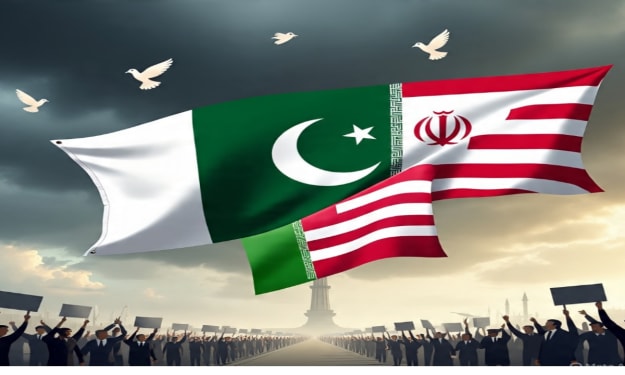
Condemnation by Pakistan of US Attacks on Iran and Response to the Deteriorating Situation in the Region
artriting .Following the initial condemnation by Pakistan and the expression of concern over the escalating conflict, it is important to explore the broader implications of the ongoing tensions between the United States and Iran, and how Pakistan’s position reflects its strategic interests and regional responsibilities. The Middle East has long been a region marked by complex alliances, historical rivalries, and competing interests of global powers. The recent military actions against Iran’s nuclear facilities represent more than isolated strikes; they symbolize a continuation of decades-long hostilities that have shaped the political landscape of the region. For Pakistan, which shares close cultural and economic ties with Iran and maintains strategic relations with the United States, navigating this conflict requires a balanced and nuanced diplomatic approach. Pakistan’s stance emphasizing diplomacy over military confrontation reflects a desire to avoid further destabilization. The government’s repeated calls for restraint from all parties indicate its recognition of the fragile security environment in the Gulf and its potential spillover effects on South Asia. Increased instability in the Middle East could impact Pakistan’s economy, energy supplies, and internal security, given the presence of diverse ethnic and sectarian groups within its own borders. Moreover, Pakistan’s engagement with international organizations such as the United Nations and the Organization of Islamic Cooperation underlines its commitment to multilateral solutions. By urging these bodies to take an active role in de-escalation efforts, Pakistan aims to foster dialogue that respects the sovereignty of all nations involved and upholds international law. This approach also aligns with Pakistan’s broader foreign policy goals of promoting peace and cooperation in the Muslim world. The public response within Pakistan further highlights the deep concern among its citizens regarding the prospect of war. Mass protests across major cities demonstrate a strong popular demand for peace and a rejection of any foreign aggression that might exacerbate regional tensions. Civil society groups, religious leaders, and political parties have echoed calls for peaceful resolution, emphasizing that war only brings destruction and suffering to ordinary people. From a geopolitical perspective, the conflict’s continuation risks empowering extremist groups that thrive on chaos and instability. Analysts warn that an intensification of hostilities could embolden militant factions, increasing violence not only in the Middle East but also in Pakistan and neighboring countries. This potential security threat reinforces Pakistan’s advocacy for diplomacy as the safest path forward. Economically, the impact of the conflict extends beyond regional borders. Disruptions in oil supply routes and rising fuel prices affect global markets, with developing countries bearing the brunt of these fluctuations. Pakistan’s economy, already grappling with inflation and fiscal challenges, could face further hardship if tensions lead to prolonged instability or conflict escalation. In this context, Pakistan’s diplomatic efforts to promote dialogue and peaceful negotiation carry significant weight. The government’s messaging underscores the importance of mutual respect and understanding among nations as the foundation for long-term stability. By championing these principles, Pakistan seeks to contribute constructively to resolving one of the most volatile conflicts of the 21st century. The international community’s response remains crucial. Constructive engagement by major powers and regional stakeholders can help create conditions conducive to negotiation and reduce the risk of wider conflict. Pakistan’s call for inclusive dialogue reflects the understanding that sustainable peace requires addressing the underlying political and security concerns of all parties involved. Humanitarian considerations also demand attention. Conflict invariably results in civilian casualties, displacement, and destruction of infrastructure. Pakistan has urged global actors to prioritize humanitarian aid and protection for affected populations, stressing that safeguarding human lives must remain paramount amid geopolitical struggles. Looking ahead, the path to peace will likely be challenging and complex. Trust-building measures, confidence-enhancing steps, and sustained diplomatic engagement are essential components for de-escalation. Pakistan’s role as a mediator and advocate for peaceful solutions positions it as a key player in encouraging cooperation and dialogue. In summary, Pakistan’s condemnation of the US attacks on Iran and its call for diplomacy highlight a responsible and strategic approach to a dangerous regional conflict. By promoting peace, supporting multilateralism, and engaging both the international community and domestic stakeholders, Pakistan aims to help steer the Middle East away from further violence and towards stability and cooperation. The coming weeks and months will test the resolve of all involved, but the emphasis on negotiation and restraint offers the best hope for a peaceful resolution.
By Riaz Gillani Exclusiveabout a year ago in 01
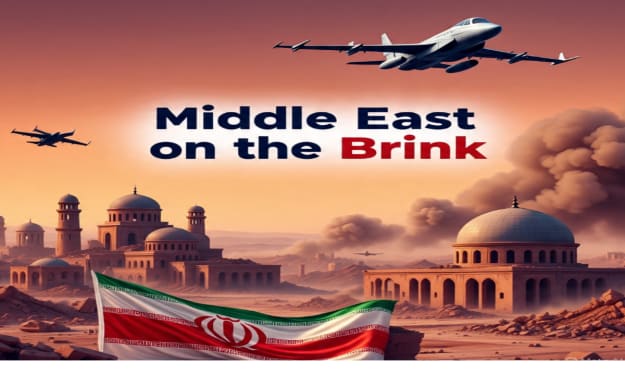
The Gulf Ignites
art writing...The United States, working closely with Israel, launched a series of precise airstrikes targeting Iran’s nuclear facilities in Fordow, Natanz, and Isfahan. These strikes employed advanced bunker-buster bombs and Tomahawk missiles, resulting in significant structural damage—particularly at the Fordow site, which was almost completely destroyed. Although Iran has officially denied any radioactive fallout resulting from these strikes, independent analysts and regional experts confirm that active conflict is now underway, with far-reaching implications that extend well beyond the immediate area. ho Stands With Whom? This conflict involves more than just the three main countries—United States, Israel, and Iran—it highlights a broader ideological and geopolitical divide across the globe. llies of Israel and the United States include: The United States itself, leading direct military operations and intelligence sharing. The United Kingdom, providing vital intelligence and logistical support. France, offering diplomatic support and possibly supplying arms. Saudi Arabia and the United Arab Emirates, quietly assisting by allowing the use of their airspace and logistical help. Select NATO members who offer unofficial or silent backing. ikely allies supporting Iran are: Russia, which provides diplomatic backing and defense cooperation. China, which maintains a strategic partnership with Iran and can leverage its position in the UN Security Council to block resolutions against Iran. Proxy groups such as Hezbollah in Lebanon, the Houthi rebels in Yemen, and various Iraqi militias, who act as Iran’s regional agents. Syria, which coordinates ground activities and provides safe passage to allied forces. Turkey, whose position is complicated; while it may sympathize with Iran’s anti-Israel stance, it also balances diplomatic ties with the West. amage and Realities on the Ground The airstrikes have inflicted significant damage. Iranian official sources report at least 224 deaths and more than 1,800 injuries as a result. Public anger and unrest have surged, but so far, Iran has avoided launching a full-scale military counterattack. That said, Iran’s ballistic missile programs, drone operations, and extensive network of proxy forces remain largely intact and operational. This suggests Iran could continue to engage in asymmetric warfare and possibly wage a prolonged proxy conflict across the region. an the War Be Stopped? And How? The fate of this conflict depends on several key factors: Diplomatic efforts are ongoing, with the United Nations, China, and the European Union actively trying to mediate and reduce tensions. Economic fallout is a major concern. Disruptions to oil supplies in the Gulf could have serious consequences for the global economy, possibly prompting intervention by other international powers. Public pressure in the involved countries—particularly unrest within Iran, Israel, and the United States—may influence government policies and decisions regarding the war. The nuclear threat remains a critical factor. If Iran feels its existence is at risk, the conflict could escalate beyond control. egional Fallout This war is already affecting neighboring countries. Jordan, Lebanon, and Iraq have expressed serious concerns over repeated airspace violations, an increasing influx of refugees, and growing political instability. The deep-rooted sectarian tensions that exist in the region risk being inflamed further, which could trigger a wider wave of conflict across the Middle East. edia and Disinformation Alongside the military conflict, an information war is underway. State-controlled media outlets in all involved nations are presenting conflicting narratives. Social media platforms are flooded with misinformation, fake news, and AI-generated visuals, making it difficult to discern truth from propaganda. The battle for control over public perception is nearly as intense as the fighting on the ground. inning or Losing? No Simple Answer This is not a straightforward conflict with clear winners or losers. Israel and the U.S. currently possess superior military technology and firepower, but prolonged involvement could lead to political fatigue, economic strain, and growing domestic opposition. Iran, on the other hand, may not match this conventional power but could still claim symbolic victories if it successfully uses proxy groups and asymmetric tactics to resist. onclusion: A Choice Between Power and Peace If this conflict drags on, it could fundamentally reshape the Middle East and affect global stability. History has shown that war often results in devastating consequences. However, it also teaches us that with diplomatic efforts, public pressure, and clear strategic goals, peace can be achieved even after the most intense conflicts. Now, the world faces a critical decision: whether to continue down the dangerous path of power struggles and military confrontation or to pursue the more challenging but necessary path toward peace and stability.
By Riaz Gillani Exclusiveabout a year ago in 01
Payroll Software Vendors (Top 5 Expert Picks)
Managing payroll efficiently is one of the most important responsibilities for any HR or finance team. For companies in the UAE and broader Middle East, choosing the right payroll software can help avoid delays, stay compliant with local labor laws, and save time on repetitive administrative tasks.
By Artificial Intelligenceabout a year ago in 01
C# Vs Python? Mapping the Language That Aligns With Your Business Goals
Introduction Technology choices often shape how smoothly a product moves from concept to launch and how well it adapts over time. For businesses aiming to stay competitive, selecting the right development foundation is more than a technical decision. It influences team structure, future integrations, and the overall product lifecycle.
By Emma Jonesabout a year ago in 01
How to Choose the Best Game Server Hosting in Canada
Server Location: Your Latency Lifeline The physical distance between your players and the game server is the most important factor for smooth gameplay. Every extra kilometer adds milliseconds of delay (ping) as packets hop across the internet. In practice, a server in Toronto or Vancouver will respond much faster to a Montreal or Calgary player than one in Europe or Asia. As Servers.com explains, “the longer the distance between your server and the gamer, the longer it takes for information to travel,” leading to higher latency.
By Steve Oscarabout a year ago in 01
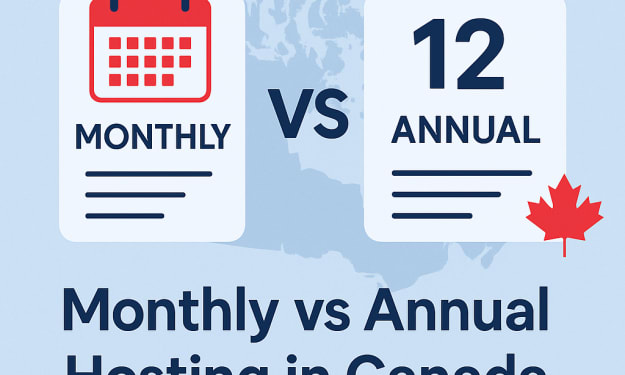
Monthly vs Annual Hosting in Canada: Which is Right for Your Website?
While it might seem like a minor detail, your hosting payment cycle impacts more than just billing—it can influence your flexibility, budget management, and overall website strategy. In this guide, we’ll break down the pros and cons of monthly versus annual hosting plans in Canada, helping you decide which model best fits your goals.
By Steve Oscarabout a year ago in 01
Mobile Game Marketing: Best 6 Tips to Market Your Mobile Game
Much like with any video game, a mobile games’ success can often be heavily reliant on the success of its marketing campaign. Making a great mobile game is one thing but marketing a mobile game and getting in front of the perfect target audience is certainly another. Becoming the next Clash Royale, Raid: Shadow Legends or Among Us is no easy feat. So, in this article we will be looking at the key areas of mobile game marketing strategies that you will need to target as a game developer launching a mobile game.
By The Game Marketerabout a year ago in 01