how to
How tos for tech whizes and luddites alike; tips, tricks and shortcuts to optimize your computer, smartphone or internet mastery.
Preparing for Your Colonoscopy: A Brief Guide and What to Expect
If you've been told by your doctor that it's time for a colonoscopy, it's natural to feel a mix of emotions—nervousness, uncertainty, and perhaps a touch of dread. The word "colonoscopy" often conjures up visions of hospital gowns and cold examination rooms, but the reality is that this procedure is one of the most effective ways to detect and even prevent colon cancer, one of the leading causes of cancer-related deaths.
By Erika Phillips 3 years ago in 01
2 Verified & Easy Techniques to Export PowerMail to PST For MS Outlook
This is the ideal way to convert mailboxes from PowerMail to Outlook PST format if you're looking to export PowerMail to PST. PowerMail is an email client made exclusively with the Windows OS in mind. Its sophisticated Fox Trot technology gives it strong search capabilities and a user-friendly email management system. Users can run this email client without difficulty, depending on their level of technological experience.
By Edyth Lueilwitz3 years ago in 01
How to spot a liar
Understanding how to spot a liar can be an invaluable skill in both personal and professional contexts. Whether you're trying to gauge the truthfulness of a friend's story or evaluating the credibility of a business associate, recognizing signs of deception can help you navigate situations with greater clarity and confidence. While no single behavior is a definitive indicator of lying, several cues can collectively provide insight into someone's truthfulness. By observing verbal and nonverbal cues, understanding psychological principles, and maintaining a critical mindset, you can enhance your ability to detect deception effectively. **Verbal Cues:** 1. **Inconsistencies in Storytelling:** Liars often struggle to maintain consistency in their narratives. Pay attention to discrepancies or changes in details, timelines, or key facts within a person's story. 2. **Vague Language:** Liars may use vague or evasive language to avoid providing specific details. They may also employ qualifiers such as "I think" or "maybe" to distance themselves from falsehoods. 3. **Lack of Pronouns:** When individuals distance themselves from their statements, they may avoid using personal pronouns such as "I" and "me." Instead, they might speak in the third person or use passive voice constructions. 4. **Unnecessarily Complex Explanations:** Liars often overcomplicate their explanations in an attempt to distract or confuse listeners. Watch for convoluted responses or excessive elaboration that seems disproportionate to the question asked. 5. **Defensive Behavior:** When confronted with skepticism or interrogation, liars may become defensive or hostile. They may deflect questions, attack the credibility of the questioner, or attempt to change the subject. **Nonverbal Cues:** 1. **Avoiding Eye Contact:** While it's a common belief that liars avoid eye contact, this is not always the case. However, prolonged or intense eye contact can indicate discomfort or deception in some contexts. 2. **Microexpressions:** Microexpressions are brief, involuntary facial expressions that reveal underlying emotions. Look for fleeting expressions of fear, disgust, or contempt, which can betray a liar's true feelings. 3. **Increased Blink Rate:** Liars may exhibit an increased blink rate due to feelings of stress or anxiety. However, this cue should be interpreted in conjunction with other signs of deception rather than in isolation. 4. **Fidgeting or Restlessness:** Anxiety often manifests through fidgeting, restlessness, or repetitive behaviors such as tapping feet or drumming fingers. These movements can signal discomfort or nervousness associated with lying. 5. **Changes in Vocal Tone or Rate:** Variations in vocal tone, pitch, or speech rate may indicate emotional arousal or cognitive effort associated with deception. Listen for fluctuations in speech patterns that deviate from the speaker's baseline behavior. **Psychological Principles:** 1. **Cognitive Load:** Lying requires additional cognitive effort compared to truth-telling, as individuals must monitor their words, maintain consistency, and suppress truthful information. Consequently, liars may display signs of cognitive overload, such as hesitations, pauses, or speech errors. 2. **Duping Delight:** In some cases, liars experience a sense of pleasure or excitement known as "duping delight" when successfully deceiving others. This emotion can manifest through subtle smiles, smirks, or other expressions of satisfaction. 3. **Baseline Comparison:** To accurately assess someone's behavior for signs of deception, it's essential to establish a baseline of their typical speech, body language, and demeanor. Deviations from this baseline may indicate deception or emotional distress. **Maintaining a Critical Mindset:** 1. **Contextual Understanding:** Consider the broader context surrounding a person's behavior, including situational factors, cultural norms, and individual differences. What may seem like deception in one context could be attributed to other factors in another. 2. **Avoiding Confirmation Bias:** Remain open-minded and objective when evaluating potential signs of deception. Avoid relying solely on preconceived notions or biases, and instead seek corroborating evidence before drawing conclusions. 3. **Seeking Additional Information:** When in doubt, gather more information to corroborate or challenge a person's claims. Consult other sources, ask follow-up questions, or conduct further investigation to validate the veracity of statements. By incorporating these strategies into your interactions, you can become more adept at recognizing signs of deception and making informed judgments about others' truthfulness. While no single indicator guarantees accuracy, a comprehensive approach that integrates verbal and nonverbal cues, psychological principles, and critical thinking can enhance your ability to spot a liar effectively. Remember to approach each situation with empathy, understanding, and a commitment to seeking the truth.
By Etukudoh Paul3 years ago in 01
How to get your brain to focus
In today's fast-paced world, maintaining focus has become increasingly challenging. With distractions abound, from social media notifications to looming deadlines, cultivating concentration has become a sought-after skill. However, with the right strategies and mindset, anyone can enhance their ability to focus. Here's a comprehensive guide on how to get your brain to focus: Understanding the Science of Focus Before delving into techniques, it's essential to comprehend how the brain operates when focusing. The prefrontal cortex, responsible for decision-making and concentration, plays a crucial role. Additionally, neurotransmitters like dopamine and norepinephrine contribute to attention and arousal levels. Understanding these mechanisms empowers individuals to optimize their focus effectively. Establishing a conducive environment Create a designated workspace free from distractions. Minimize clutter, noise, and visual interruptions. Ensure comfortable seating and appropriate lighting to promote focus. Prioritize tasks Organize tasks based on urgency and importance. Utilize techniques like the Eisenhower Matrix to distinguish between what's crucial and what's merely urgent, aiding in effective time management and focus. Break tasks into manageable chunks Divide larger tasks into smaller, more manageable segments. This approach minimizes overwhelm and allows for sustained focus on specific components, leading to increased productivity. Utilize the Pomodoro Technique Work in focused intervals, typically 25 minutes, followed by a short break. This structured approach enhances concentration by providing periodic rest while maintaining productivity. Practice mindfulness and meditation Engage in mindfulness exercises and meditation to train the brain to sustain attention. These practices strengthen neural pathways associated with focus and promote mental clarity. Incorporate regular physical activity Exercise boosts cognitive function and increases neurotransmitter production, enhancing focus and concentration. Aim for a mix of aerobic and strength training exercises for optimal cognitive benefits. Optimize nutrition and hydration Fuel your brain with a balanced diet rich in nutrients, particularly omega-3 fatty acids, antioxidants, and vitamins B and D. Stay hydrated to maintain optimal cognitive function and mental clarity. Get adequate sleep Prioritize quality sleep to recharge your brain and optimize cognitive performance. Aim for 7-9 hours of uninterrupted sleep each night to enhance focus, memory, and decision-making abilities. Limit multitasking Contrary to popular belief, multitasking diminishes productivity and impairs focus. Instead, focus on one task at a time, giving it your full attention before moving on to the next. Set specific goals Define clear, achievable goals to provide direction and motivation. Break down larger goals into smaller milestones, celebrating achievements along the way. Clear objectives enhance focus by providing a sense of purpose and progress. Minimize digital distractions Implement strategies to reduce digital distractions, such as disabling non-essential notifications, utilizing website blockers, and scheduling dedicated "offline" periods for focused work. Practice active listening Enhance focus in social interactions by practicing active listening. Give your full attention to the speaker, maintain eye contact, and refrain from interrupting. This not only strengthens interpersonal relationships but also hones concentration skills. Cultivate a growth mindset Embrace challenges as opportunities for growth rather than obstacles. Adopting a growth mindset fosters resilience and perseverance, enabling individuals to maintain focus despite setbacks or difficulties. Take regular breaks Incorporate regular breaks into your work routine to prevent burnout and maintain cognitive freshness. Step away from your workspace, engage in brief physical activity, or simply relax to recharge your mental batteries. Reflect and adjust Periodically evaluate your focus strategies and adjust them as needed. Recognize what works best for you and be open to experimenting with new techniques to optimize your concentration. Conclusion Enhancing focus is a skill that can be cultivated with practice and intentionality. By implementing the strategies outlined above and understanding the underlying science of focus, individuals can unlock their brain's full potential and achieve greater productivity and fulfillment in all aspects of life. Remember, like any skill, mastering focus requires patience, consistency, and a willingness to adapt. With dedication and perseverance, anyone can train their brain to focus more effeffectively.
By Etukudoh Paul3 years ago in 01
How To Make a Fan Club Website Like OnlyFans in 2024? Updated Strategies
When building OnlyFans clones, it's important to know who your target audience is. What do people enjoy most about themselves? The OnlyFans app is a way to check your user feedback regarding money. Clearly knowing consumers' expectations will help get your first money on that and build the correct business strategy around the interaction between the creator and their fans.
By Scrile Connect3 years ago in 01
National Margarita Day🍹: A Celebration of the Iconic Cocktail
National Margarita Day is coming up on February 22nd this year. It’s a fun holiday to celebrate the popular margarita cocktail. Lots of people enjoy margaritas, especially in the summer. The drink is made with tequila, lime juice, and orange liqueur. It has a tangy, citrusy taste that people love.
By Rejoicing Today3 years ago in 01
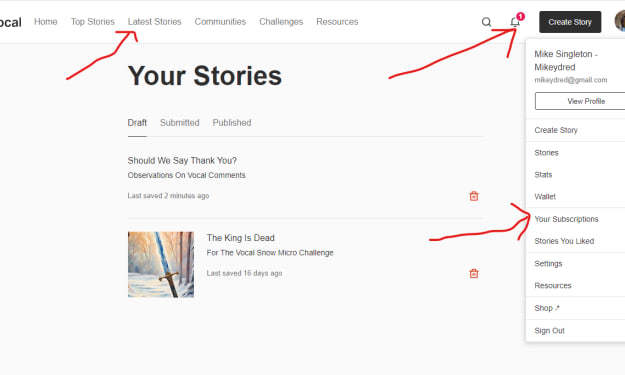
Should We Say Thank You?. Content Warning.
Introduction I have railed in the past about the waste of resources and effort that Vocal put into flooding us with the same repeated publications, and I am still unhappy about it. They have refused to do anything about it (it's on the roadmap, yeah right) and I am half expecting them to offer a new publication feed while ignoring the actual problem with the model.
By Mike Singleton 💜 Mikeydred 3 years ago in 01
Multi Courier Tracking For International Orders
When shipping products internationally, tracking its progress can be a tricky affair. Unlike domestic shipments, which usually come with some form of automatic tracking from the courier service provider, international orders often do not offer such convenience.
By Devaraj Mahantesh3 years ago in 01
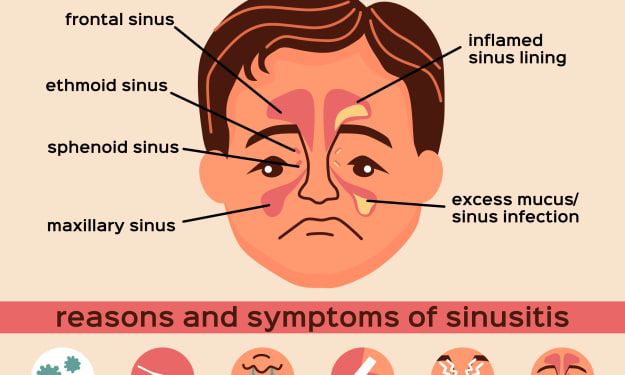
Sinus Infection Treatment: Causes and Symptoms
Sinus infections, also known as sinusitis, can make many people around the world feel really uncomfortable and sometimes very sick. From the pressure behind the eyes to the relentless nasal congestion, sinusitis can disrupt daily life and hinder productivity. However, understanding its causes, recognizing its symptoms, and exploring effective treatment options can provide much-needed relief and help restore vitality. In this comprehensive guide, we delve into the depths of sinus infection treatment, shedding light on its underlying causes and manifestations.
By SCI International Hospital3 years ago in 01