history
The history of technology and technology throughout history; human innovation from the first stone tool to the iPhone and beyond.
Another Life.....
*Another Life: Exploring the Mysteries of the Universe* "Another Life" is a thought-provoking science fiction television series that premiered on Netflix in 2019. Created by Aaron Martin, the show has captivated audiences with its intricate plotlines, complex characters, and profound themes. In this article, we will delve into the world of "Another Life" and explore its fascinating narrative, characters, and ideas. *The Premise* The series follows Dr. Niko Breckinridge, a brilliant astrobiologist, who leads an elite team of scientists and astronauts on a mission to uncover the secrets of an alien artifact orbiting Earth. The object, known as the Artifact, appears to be sending a signal to the planet's surface, and the team is tasked with determining its purpose and intentions. As they venture into the unknown, they encounter strange occurrences, unexplained phenomena, and profound questions about humanity's place in the universe. *The Characters* The characters in "Another Life" are complex and multi-dimensional, each with their own unique personalities, motivations, and conflicts. Dr. Niko Breckinridge, played by Katee Sackhoff, is a brilliant and determined leader who will stop at nothing to uncover the truth about the Artifact. Erik Wallace, played by Tyler Hoechlin, is a charismatic and confident astronaut who becomes a key player in the mission. Other notable characters include August Blake, a brilliant scientist with a troubled past, and Zayn Petrossian, a skilled engineer with a hidden agenda. *Themes and Ideas* "Another Life" explores a range of thought-provoking themes and ideas, including identity, humanity, existence, and the consequences of playing with forces beyond human control. The show challenges viewers to ponder the possibilities of extraterrestrial life, the ethics of space exploration, and the human condition. Through its narrative, the series raises important questions about the nature of reality, the limits of human knowledge, and the consequences of our actions. *Science Fiction and Mystery* "Another Life" is a blend of science fiction and mystery, combining elements of both genres to create a unique and captivating narrative. The show's use of science fiction allows it to explore complex ideas and themes in a way that is both imaginative and thought-provoking. The mystery elements, meanwhile, keep viewers on the edge of their seats, as they try to piece together the clues and uncover the truth about the Artifact. *Visuals and Production* The visuals and production values in "Another Life" are impressive, with stunning special effects, intricate set designs, and a haunting soundtrack. The show's use of practical effects and CGI creates a seamless and immersive viewing experience, drawing viewers into the world of the show. The production team has done an excellent job of creating a sense of tension and unease, using lighting, sound, and camera angles to create a sense of drama and suspense. *Conclusion* "Another Life" is a thought-provoking and captivating science fiction series that explores complex ideas and themes in a unique and imaginative way. With its intricate plotlines, complex characters, and profound themes, the show is a must-watch for fans of science fiction and mystery. Whether you're interested in space exploration, alien life forms, or the human condition, "Another Life" has something to offer. So, if you're looking for a show that will challenge your mind and keep you on the edge of your seat, look no further than "Another Life". *Rating and Reviews* "Another Life" has received positive reviews from critics and audiences alike, with many praising its thought-provoking themes, complex characters, and impressive visuals. The show has a rating of 7.5 out of 10 on IMDB, based on over 22,000 user reviews. *Where to Watch* "Another Life" is available to stream on Netflix, with two seasons currently available. If you're interested in watching the show, you can sign up for a free trial on Netflix or subscribe to their service. *Final Thoughts* "Another Life" is a captivating and thought-provoking science fiction series that explores complex ideas and themes in a unique and imaginative way. With its intricate plotlines, complex characters, and profound themes, the show is a must-watch for fans of science fiction and mystery. Whether you're interested in space exploration, alien life forms, or the human condition, "Another Life" has something to offer. So, if you're looking for a show that will challenge your mind and keep you on the edge of your seat, look no further than "Another Life".
By Waseem Khan about a year ago in 01
How to Decorate a Sideboard: Tips and Ideas for a Stylish Dining Room Display
Your dining room should be your go-to space for a refreshing breakfast and a cozy evening meal. It’s a space that deserves thoughtful styling—and a sideboard plays a key role in elevating both functionality and aesthetics. If you're wondering how to decorate a dining room sideboard, you're in the right place.
By Luxury Handicraftabout a year ago in 01
From Friends to Soulmates
When Laughter Turned into Love and Moments Became Memories --- 5 Key Story Points: 1. Childhood Bond: Emma and Ryan grow up in the same neighborhood, becoming best friends in school. 2. Years of Unspoken Feelings: Their friendship deepens through high school and college, but neither admits their feelings. 3. Separation and Realization: A job offer takes Emma to another city, and distance brings clarity. 4. A Heartfelt Reunion: Ryan surprises Emma with a visit and finally confesses his love. 5. A New Chapter: They begin their romantic journey, stronger than ever as soulmates. --- 650-Word Love Story: From Friends to Soulmates When Laughter Turned into Love and Moments Became Memories Emma and Ryan had lived just three houses apart since they were five. Their childhood was filled with bicycle races, ice cream runs, and endless games in the park. From the very first day of school, they sat next to each other, protecting and teasing one another like siblings, yet always sharing a connection that even they couldn't fully understand. As the years passed, their bond only grew stronger. In high school, Emma would always help Ryan with math, while he kept her laughing through the stress of exams. Everyone around them often asked if they were a couple. They'd laugh and reply in unison, “Just best friends.” But deep inside, something was growing — a quiet affection neither dared to admit. College brought new adventures but also more time spent together. They were inseparable. Whether it was late-night pizza or celebrating birthdays, they were always side by side. And yet, words like “I love you” were never spoken — not because they weren’t true, but because the fear of losing their friendship was greater than the hope of something more. After graduation, Emma was offered her dream job in another city, and for the first time, the pair faced a true separation. Ryan helped her pack, hiding the sadness in his eyes. She hugged him tightly before leaving, whispering, “Promise me we’ll always stay close.” Weeks turned into months. Though they texted often, the distance was heavy. Emma missed the way Ryan understood her without needing words. Ryan missed the sound of her laughter filling up the room. One cold December evening, Emma sat alone in her apartment, watching an old video of them dancing at a college party. Tears welled in her eyes. "I think I’ve loved him all along," she whispered. The next morning, there was a knock at her door. It was Ryan — standing with a nervous smile and a small suitcase. “I couldn’t stay away any longer,” he said softly. “I came to tell you that... I love you. I think I’ve always loved you, Em.” Emma’s eyes widened, her heart pounding. For a second, she couldn’t speak. Then, with trembling hands, she pulled him into a hug. “Why did we wait so long?” she whispered. “I was scared,” Ryan admitted. “But I’d rather risk everything than go another day pretending we’re only friends.” They sat for hours, catching up, laughing, and finally holding hands not as friends, but as something deeper — soulmates. In the months that followed, Emma transferred to a branch closer to Ryan, and they began their new journey — filled with dates, shared dreams, and the comfort of years of friendship as their foundation. Their love didn’t feel like fireworks or dramatic declarations. It felt like home — warm, safe, and always familiar. On their first anniversary, Ryan surprised Emma with a scrapbook titled “From Friends to Soulmates.” Inside were pictures from their childhood, handwritten notes, and a final page that read: “The best kind of love is the one that grows slowly, silently, but surely — until one day, you realize it was there all along.”
By Sophia Graceabout a year ago in 01
The Machine Stops
Introduction Woke up this morning and noticed my phone wasn't internet connected and when I looked at my router, it was flashing a very angry red. My home computer is Windows 11, and I have Microsoft Office 2021 plus all the other accoutrements of the system
By Mike Singleton 💜 Mikeydred about a year ago in 01
The Tree That Taught Me About Hypocrisy . AI-Generated.
When I came home that day, my wife stood near the bathroom window, visibly upset. “There’s a tree right next to the washroom,” she said sternly. “Birds sit on it. I can't bear the thought that they might see me while I bathe. Cut it down—it’s a matter of my honor.” Her words struck me deeply. I admired her modesty and without a second thought, I had the tree cut down the very next day. Time went on. One day, I came home earlier than usual. What I saw crushed my soul. My wife—my supposedly honorable wife—was with another man. I said nothing. I packed my things and left, not just the house, but the city altogether. I went to Baghdad to start a new life. I opened a small shop. Through hard work and, by the grace of God, my business grew. In time, I became one of the well-known merchants of Baghdad. I even earned the friendship and trust of the city’s chief of police—the Koutwal. One day, something unexpected happened. The Koutwal’s home was robbed. The thief left no trace. Investigations were made. Suspects were questioned. But no culprit was found. Meanwhile, I noticed something odd. A man known as “Sheikh” had frequent visits to the Koutwal’s home. Everyone spoke highly of him. He was seen as a pious, deeply religious man—someone people looked up to with reverence. But one thing always struck me as strange: the Sheikh never walked with his full foot touching the ground. Only his toes would land softly. Curious, I asked someone about it. “Oh,” the man replied, “He’s so pious that he walks this way to avoid crushing insects. He doesn’t want to harm even the smallest of God’s creatures.” That’s when it hit me—too perfect. Too staged. Too artificial. A performance of righteousness, not its essence. I went to the Koutwal and said, “May I speak freely, without fear?” He nodded. “The thief,” I said, “is the Sheikh himself.” The Koutwal was shocked. “Impossible!” he said. “He’s the most God-fearing man I know.” But an investigation was opened. When his home was searched, the stolen items were found hidden in a corner. The Koutwal turned to me and asked, “How did you know?” I looked down, then smiled slightly. “There used to be a tree by my house. It taught me a lesson I will never forget: those who work too hard to appear virtuous are often the most deceiving.” --- Moral of the Story In today’s world, many people wear masks of piety. They flood social media with quotes, religious posts, and polished words. They walk and talk like saints. But if you look closely, their neighbors, their relatives—even their own families—seek protection from their cruelty, manipulation, and lies. What good is that image of goodness if it only impresses strangers online? What value is there in a man who writes kindness in his posts, but shouts cruelty in his home? Sometimes, a small disagreement with such people is enough to reveal their true face. Their manners, their morals, and their “respectable” behavior vanish the moment they are challenged. --- Final Thought & Prayer Appearances can deceive. And true righteousness is not in how loudly you proclaim your goodness—but how quietly you practice it when no one is watching. May Allah (SWT) grant us the ability to be genuine in our faith and honest in our actions. May our private lives be more noble than our public images, and may our dealings with those closest to us reflect the best of our character. Ameen.Some people go to great lengths to appear righteous—but righteousness isn't a performance. This story reminds us how deception often hides behind the mask of excessive piety. A tree was cut down in the name of honor, yet betrayal came from within. A man walked on his toes to avoid crushing insects, yet crushed the truth beneath his feet. True character reveals itself not in public image, but in private integrity. Let us not be fooled by appearances; goodness lies not in display, but in consistent, humble actions. May we all strive to be inwardly pure and outwardly just.
By Sophia Graceabout a year ago in 01
Drive Targeted Traffic with Melbourne’s Leading Google Advertising Agency!. AI-Generated.
In a digital-first world where every click counts, paid search marketing has become a cornerstone of modern business growth. Whether you're a startup seeking exposure, a local business aiming to dominate your market, or an established brand scaling operations, the power of Google Ads cannot be ignored. With billions of searches conducted daily, Google offers an unmatched platform to place your brand in front of ready-to-buy customers—right when they need you.
By Dylan Stangabout a year ago in 01
Where the Mirrors Go to Die
I found the mirror in the attic, buried behind dusty boxes and forgotten quilts that still smelled faintly of cedar and time. It wasn’t the kind of mirror that simply reflected what stood before it—it held a kind of memory, like the walls of an old house that listen even after everyone has gone. When I pulled off the quilt, it whispered. Not audibly, not in language, but in a kind of emotional static. I felt it more than heard it. My hands hesitated before touching the frame—ornate and dark, carved with spirals that looked like they belonged to a time before electricity, before noise. I dragged it into the slant of sunlight spilling through the attic window. When I looked into it, I didn’t see myself. I saw a younger version of me. One I hadn’t spoken to in years. She had straighter posture. She didn’t carry the weight I wore like a winter coat year-round. Her eyes were still wide—not with fear, but with wonder. Her hair was messy in a way that didn’t yet feel like failure. And she was smiling. The cruelty of that smile hit me in the chest. Because I couldn’t remember the last time I’d looked at a photo of myself and not flinched. It wasn’t just that she was younger. She was freer. Untouched by the quiet violence of slow disappointment. Unscarred by the burden of becoming someone else just to survive the room. I found myself whispering to her, words I hadn’t rehearsed, confessions that felt like stones falling out of my mouth. I’m sorry I left you behind. I’m sorry I bent myself into shapes just to make everyone else more comfortable. I’m sorry I was too afraid to speak when they told me to stay quiet, and too tired to keep fighting when silence began to feel like peace. She didn’t move. But something in her softened. Her smile turned to something knowing. She lifted her hand and placed it on the glass. I wanted to match her, but I couldn’t move. My feet were glued to the wooden floorboards, trembling under the weight of that moment. I stayed in the attic longer than I meant to. The sun lowered, and the mirror began to dim, but she stayed visible—as if light didn’t matter to her. As if time bent differently on that side of the glass. That night, I couldn’t sleep. Memories spilled out of closets in my head—things I hadn’t thought of in years. I remembered the time I swallowed an insult at dinner to keep the peace. The time I wore a dress I hated just because they said it made me look “more polite.” The way I used to cry in the bathroom, with the water running, so no one would hear how hard it was just to be. I remembered the way I used to laugh. Unfiltered. Loud. Beautiful. The next day, I returned to the attic. She was still there, waiting. But this time, the reflection moved. She stepped closer to the glass, as if she could reach through. I followed her lead. My hand trembled as I lifted it. This time, we met. And when my palm touched the mirror, I didn’t fall through it. But something did. Something inside me cracked—and then opened. Like a sealed jar finally unlatched. I exhaled. Not the kind of breath you release after a long day. No. This was something deeper. Like letting go of a version of yourself that you never really meant to become. I whispered again. Thank you. She didn’t answer. She just stepped back. Her smile was calmer now. A little sad, maybe. But strong. I pulled the quilt back over the mirror and left it in the attic. Not because I wanted to forget, but because I finally remembered. She’s not gone. She never was. She’s just been waiting—quietly, patiently, behind all the noise. And now, I know the way back.
By Doctor marwan Dorani about a year ago in 01
A Warning in a Whisper
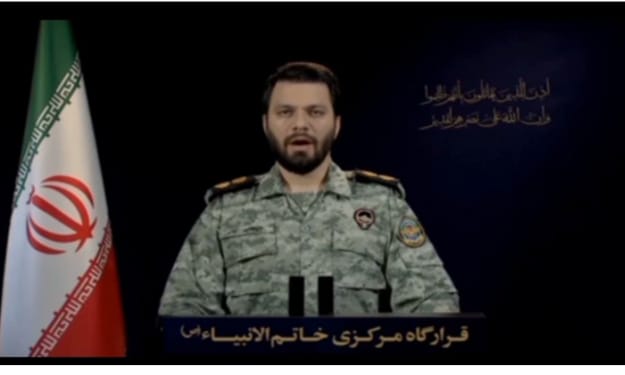
turated with noise, Iran’s latest military statement speaks louder through silence, posture, and precise diplomacy. Introduction In geopolitical communication, tone can be as decisive as content. Recently, a video statement from the spokesman of Iran’s Khatam al-Anbiya Central Headquarters attracted wide international attention. Not for its aggressive language, but for its composed delivery. Shared via Press TV’s official WhatsApp channel, this message carried more than policy—it conveyed presence, patience, and readiness. What makes this moment significant isn’t merely the message, but how it was delivered. The spokesperson’s calm demeanor, deliberate speech, and subtle yet firm posture presented a rare kind of warning—one that doesn’t shout, but still resounds. --- Context and Message The core statement was clear: > “Powerful and calculated operations with severe and unpredictable consequences await the United States in response to its direct aggression and violation of Iran’s sovereignty.” While many countries issue warnings, this one was structured, measured, and wrapped in certainty. It didn’t echo panic or provocation. Instead, it showed a nation quietly prepared to act with both force and focus. For seasoned observers of Middle Eastern diplomacy, this was not simply rhetoric—it was calibrated signaling. Iran has long practiced a threefold strategic doctrine: resilience, restraint, and response. Unlike impulsive actors in global politics, its military messaging follows a timeline of preparation and positioning. This statement was no exception. It fits into a larger pattern of Iran's geopolitical posture—particularly in how it manages tension with the United States. --- The Unspoken Message: Body Language and Demeanor What made this message especially powerful was not just what was said, but how it was presented. Watching the video reveals three major elements of non-verbal communication that magnify the weight of the message: 1. Unusual Calm in the Eyes The spokesman’s gaze did not shift nervously, nor did it seek to impress. It was direct, centered, and stable. This kind of eye contact sends one signal: full awareness without fear. It tells viewers that the message was not reactive—it was prepared. 2. Low, Measured Tone Every sentence was spoken slowly and clearly, as though rehearsed not for performance, but for impact. A low voice tends to carry authority, and the deliberate pacing indicated that every word had been chosen with care. 3. Composed Physical Presence There was no fidgeting, no exaggerated movements, and no dramatic hand gestures. The posture was straight but relaxed. The speaker looked like someone who has no need to convince—only to inform. This is often the posture of someone who knows their side holds leverage. These elements combined to send a message more powerful than military hardware: confidence. --- Beyond Words: The Broader Meaning This message is not a one-off outburst. It is part of a broader evolution in Iran’s foreign policy and strategic communication. Over the last decade, Iran has shifted from being a reactive actor to a calculated power center in the Middle East. Whether through alliances with Lebanon’s Hezbollah, military presence in Syria, political influence in Iraq, or support for groups in Yemen and Gaza, Iran’s geopolitical footprint has grown. In that context, this statement represents more than just defense—it reflects deterrence. By emphasizing unpredictability and readiness, Iran’s military command signals that any aggression will not be met with standard retaliation, but with intelligent, perhaps asymmetrical, operations. This is a page from the psychological warfare manual: don’t announce the counterstrike—imply it, project certainty, and make the other side guess when and how it will come. --- The Power of Media and Silence In a time when social media is saturated with shouting matches, exaggeration, and performative politics, Iran’s approach here stood out. No shouting. No chest-thumping. Just a quiet, intentional delivery. The silence behind the words amplified their meaning. This isn’t the kind of video that trends because of its drama—it stays in your mind because of its clarity. It doesn’t go viral for emotion. It spreads because it reflects a deeper calm—one that comes from being prepared. --- Strategic Silence: A New Era of Messaging Strategic silence has become one of Iran’s key soft power tools. This isn’t silence as in absence, but as in intention. It’s the silence that comes from knowing your next move but choosing not to reveal it. When a nation uses silence strategically, it creates space for doubt in the opponent’s mind. That’s more powerful than a direct threat. It shifts the psychological advantage. It suggests that the real battlefield might not be visible—and the real answer may already be in motion. This messaging tactic aligns with Iran’s long-standing concept of “Sabr-e-Strategic” (Strategic Patience), where time is used as a weapon, and clarity replaces chaos. --- Conclusion The statement issued by Iran’s military spokesman was more than policy—it was posture. In a brief video, Iran managed to signal resolve, strength, and strategic depth without ever raising its voice. It reminded observers that power does not always require volume, and clarity does not demand chaos. In today’s volatile global environment, such moments of composed messaging often say more than entire campaigns. Iran’s silent warning was, paradoxically, one of the loudest signals to come out of the region in recent months. When the spokesperson looked into the camera, calm and unwavering, the message was unmistakable: We are not reacting. We are ready. ---
By Riaz Gillani Exclusiveabout a year ago in 01
Condemnation by Pakistan of US Attacks on Iran and Response to the Deteriorating Situation in the Region
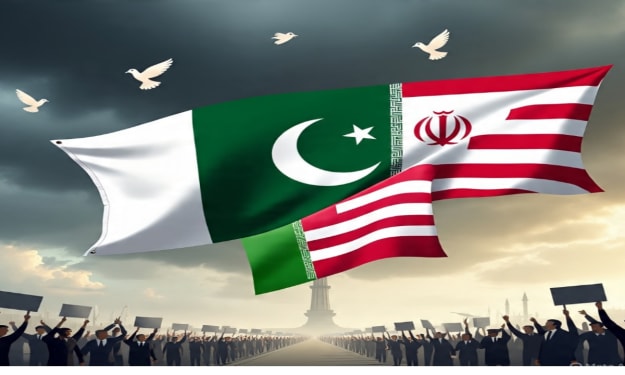
artriting .Following the initial condemnation by Pakistan and the expression of concern over the escalating conflict, it is important to explore the broader implications of the ongoing tensions between the United States and Iran, and how Pakistan’s position reflects its strategic interests and regional responsibilities. The Middle East has long been a region marked by complex alliances, historical rivalries, and competing interests of global powers. The recent military actions against Iran’s nuclear facilities represent more than isolated strikes; they symbolize a continuation of decades-long hostilities that have shaped the political landscape of the region. For Pakistan, which shares close cultural and economic ties with Iran and maintains strategic relations with the United States, navigating this conflict requires a balanced and nuanced diplomatic approach. Pakistan’s stance emphasizing diplomacy over military confrontation reflects a desire to avoid further destabilization. The government’s repeated calls for restraint from all parties indicate its recognition of the fragile security environment in the Gulf and its potential spillover effects on South Asia. Increased instability in the Middle East could impact Pakistan’s economy, energy supplies, and internal security, given the presence of diverse ethnic and sectarian groups within its own borders. Moreover, Pakistan’s engagement with international organizations such as the United Nations and the Organization of Islamic Cooperation underlines its commitment to multilateral solutions. By urging these bodies to take an active role in de-escalation efforts, Pakistan aims to foster dialogue that respects the sovereignty of all nations involved and upholds international law. This approach also aligns with Pakistan’s broader foreign policy goals of promoting peace and cooperation in the Muslim world. The public response within Pakistan further highlights the deep concern among its citizens regarding the prospect of war. Mass protests across major cities demonstrate a strong popular demand for peace and a rejection of any foreign aggression that might exacerbate regional tensions. Civil society groups, religious leaders, and political parties have echoed calls for peaceful resolution, emphasizing that war only brings destruction and suffering to ordinary people. From a geopolitical perspective, the conflict’s continuation risks empowering extremist groups that thrive on chaos and instability. Analysts warn that an intensification of hostilities could embolden militant factions, increasing violence not only in the Middle East but also in Pakistan and neighboring countries. This potential security threat reinforces Pakistan’s advocacy for diplomacy as the safest path forward. Economically, the impact of the conflict extends beyond regional borders. Disruptions in oil supply routes and rising fuel prices affect global markets, with developing countries bearing the brunt of these fluctuations. Pakistan’s economy, already grappling with inflation and fiscal challenges, could face further hardship if tensions lead to prolonged instability or conflict escalation. In this context, Pakistan’s diplomatic efforts to promote dialogue and peaceful negotiation carry significant weight. The government’s messaging underscores the importance of mutual respect and understanding among nations as the foundation for long-term stability. By championing these principles, Pakistan seeks to contribute constructively to resolving one of the most volatile conflicts of the 21st century. The international community’s response remains crucial. Constructive engagement by major powers and regional stakeholders can help create conditions conducive to negotiation and reduce the risk of wider conflict. Pakistan’s call for inclusive dialogue reflects the understanding that sustainable peace requires addressing the underlying political and security concerns of all parties involved. Humanitarian considerations also demand attention. Conflict invariably results in civilian casualties, displacement, and destruction of infrastructure. Pakistan has urged global actors to prioritize humanitarian aid and protection for affected populations, stressing that safeguarding human lives must remain paramount amid geopolitical struggles. Looking ahead, the path to peace will likely be challenging and complex. Trust-building measures, confidence-enhancing steps, and sustained diplomatic engagement are essential components for de-escalation. Pakistan’s role as a mediator and advocate for peaceful solutions positions it as a key player in encouraging cooperation and dialogue. In summary, Pakistan’s condemnation of the US attacks on Iran and its call for diplomacy highlight a responsible and strategic approach to a dangerous regional conflict. By promoting peace, supporting multilateralism, and engaging both the international community and domestic stakeholders, Pakistan aims to help steer the Middle East away from further violence and towards stability and cooperation. The coming weeks and months will test the resolve of all involved, but the emphasis on negotiation and restraint offers the best hope for a peaceful resolution.
By Riaz Gillani Exclusiveabout a year ago in 01
Echoes of Conflict U.S. Iran Tensions Unfold
artriting A powerful visual representation of escalating tensions between the United States and Iran, symbolizing the fragile state of peace in a region overshadowed by conflict, protests, and military aggression.
By Riaz Gillani Exclusiveabout a year ago in 01