history
The history of technology and technology throughout history; human innovation from the first stone tool to the iPhone and beyond.
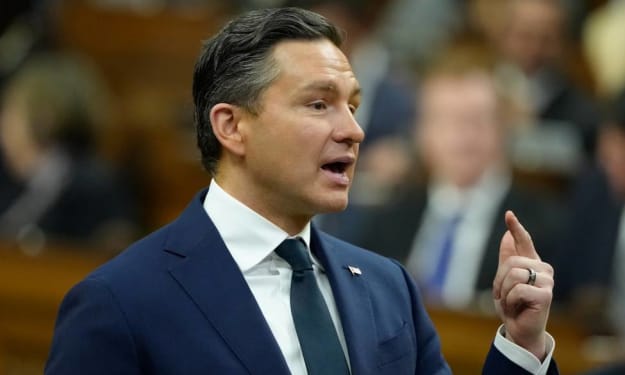
Pierre Poilievre Leadership Vote. AI-Generated.
The Pierre Poilievre leadership vote has become a defining moment for Canada’s Conservative Party, drawing national attention to questions of party unity, strategy, and direction. Leadership reviews are not unusual in Canadian politics, but this particular conservative leadership review carried extra weight because of Poilievre’s high public profile and his role as one of the most outspoken opposition leaders in recent years. As discussions from the conservative convention 2026 continue to ripple through political circles, many Canadians are asking the same questions: Did Pierre Poilievre win conservative leadership support? Did Poilievre win the confidence of his party? And perhaps most importantly, what do the Poilievre leadership review results mean for the future of conservative politics in Canada? Understanding the Conservative Leadership Vote Process A conservative leadership vote during a leadership review is not the same as a general election or an initial leadership race. Instead, it serves as an internal referendum, allowing party members to express confidence—or concern—about their leader’s performance. These reviews typically take place during a conservative convention, where party delegates gather to debate policy, strategy, and leadership. The purpose is not just to judge popularity, but to assess whether the leader can effectively unite the party and position it for electoral success. In this context, the Poilievre leadership review was closely watched because of his confrontational political style, sharp messaging, and strong appeal to grassroots supporters. Did Pierre Poilievre Win Conservative Leadership Support? One of the most searched questions surrounding the event has been, “did Pierre Poilievre win conservative leadership?” The answer depends on how “winning” is defined. Leadership reviews are often measured against internal benchmarks rather than simple pass-or-fail outcomes. While specific thresholds can vary, the broader takeaway from the pierre poilievre news cycle suggests that Poilievre maintained substantial backing among party members. That support reflects confidence in his ability to challenge the governing party and articulate conservative values on economic and institutional issues. Rather than signaling instability, the review reinforced Poilievre’s position as a dominant figure within the party—though not without critics. Key Takeaways From the Poilievre Leadership Review Results The poilievre leadership review results highlighted several important dynamics within the Conservative Party: First, there is strong enthusiasm among the party’s base. Poilievre’s messaging on affordability, government accountability, and freedom resonates with members who feel disconnected from traditional political elites. Second, the review exposed internal diversity. While many delegates support Poilievre’s leadership style, others have expressed concern about tone, inclusivity, and electoral appeal beyond the party’s core supporters. Third, the results confirmed that Poilievre remains firmly in control of the party’s direction heading into future election cycles. These themes dominated poilievre news coverage following the convention. Why the Conservative Convention 2026 Matters The conservative convention 2026 was more than just a procedural gathering. It functioned as a strategic checkpoint for the party as it prepares for future national contests. Conventions serve as places where leadership is tested, policy priorities are debated, and internal tensions surface. In Poilievre’s case, the convention offered a public stage to demonstrate confidence and consolidate authority. For supporters, the leadership review showed momentum. For critics, it was an opportunity to voice reservations. For political observers, it provided insight into how unified—or divided—the Conservative Party may be moving forward. Poilievre’s Leadership Style Under Review Much of the pierre poilievre leadership vote discussion focused on style rather than ideology. Poilievre is known for direct language, aggressive questioning in Parliament, and a strong social media presence. Supporters argue this approach cuts through political noise and energizes voters. Critics counter that it risks alienating moderate or undecided Canadians. The poilievre leadership review forced the party to confront these trade-offs openly. Rather than softening his approach, Poilievre has continued to lean into clear, repetitive messaging—suggesting confidence in his strategy and in the backing he received during the review. What This Means for Canadian Politics Beyond internal party politics, the conservative leadership review has broader implications. A leader who survives or performs strongly in a review often emerges with increased authority and focus. In this case, the outcome signals that Poilievre will likely continue shaping conservative messaging around economic frustration, government trust, and institutional reform. Whether this approach expands the party’s appeal remains one of the biggest unanswered questions in pierre poilievre news coverage. For voters, the leadership vote offers a preview of how the Conservatives may position themselves against their political opponents in upcoming elections. Did Poilievre Win? So, did Poilievre win? In practical terms, yes—he emerged from the conservative leadership vote with his leadership intact and his mandate reinforced. However, leadership reviews are not final verdicts. They are snapshots in time, reflecting current sentiment rather than guaranteed future success. The real test for Poilievre will come not from party delegates, but from the broader Canadian electorate. Final Thoughts The Pierre Poilievre leadership vote was less about survival and more about consolidation. It confirmed his standing within the Conservative Party while highlighting ongoing debates about tone, strategy, and national appeal. As Canada moves closer to future federal elections, the impact of this poilievre leadership review will continue to shape political conversations. Whether Poilievre’s approach translates into electoral victory remains to be seen—but for now, he remains firmly at the helm of his party. --- If you want, I can also: Optimize this for SEO without spam Adjust tone for news, opinion, or explainer Suggest the best Vocal Media community to publish it in Just say the word 👍
By Saboor Brohi 10 months ago in 01
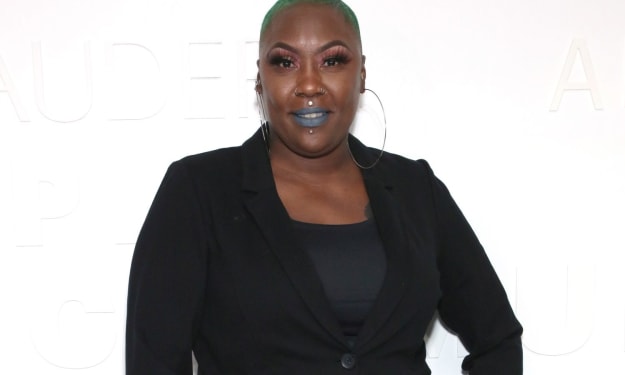
Shirley Raines. AI-Generated.
The passing of shirley raines has left a profound sense of loss across communities that knew her both personally and through social media. Widely recognized as “ms shirley,” she became a symbol of compassion through her tireless work with people experiencing homelessness. Her sudden death has prompted many to ask difficult questions, including how did ms shirley die, shirley raines cause of death, and what her legacy means moving forward.
By Saboor Brohi 10 months ago in 01
My Facebook Account Was Hacked: The Story of How I Got It Back. AI-Generated.
From Panic to Empowerment: A 72-Hour Odyssey It started with a single, chilling notification email that I almost missed: "Your Facebook password has been changed." My heart sank. I hadn't made any change. I immediately tried to log in, but my password was no longer valid. The "Forgot Password" link led to a dead end—the hacker had already replaced my recovery email and phone number. I was locked out of a digital life containing 12 years of memories, conversations, and connections to friends and family across continents.
By Alexander Hoffmann10 months ago in 01
Shadows Over Kyiv: Inside Ukraine’s Endless War for Survival. AI-Generated.
Prologue: The Winter That Would Not End The winter sky over Kyiv carried a strange silence. It was not the peaceful quiet that comes after a snowfall, nor the kind that signals rest. It was the silence of anticipation—an uneasy tension that had settled into the bones of a country waiting for the next strike, the next missile, the next message that would arrive in the form of fire.
By Muhammad Islam khan swati10 months ago in 01
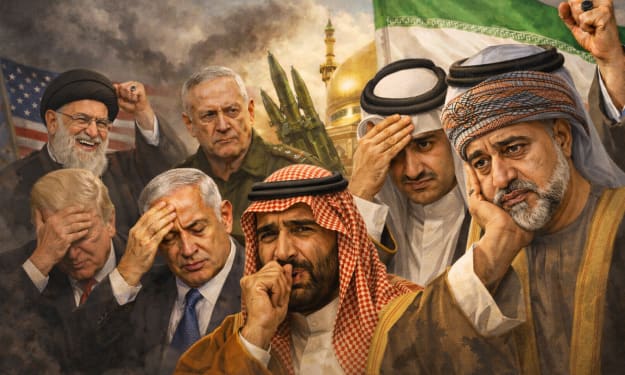
Why the United States Stepped Back from Confrontation with Iran: A 360° Geopolitical Analysis. AI-Generated.
Introduction In the long and turbulent history of US–Iran relations, moments of escalation have often brought the world to the brink of war. From the Iranian Revolution of 1979 to the sanctions era of the 2010s, and through the proxy conflicts simmering across Iraq, Syria, Lebanon, and Yemen, the tension between Washington and Tehran has become a defining feature of Middle Eastern geopolitics. Yet, despite decades of hostility, every cycle of confrontation has also produced unexpected decisions of restraint.
By Muhammad Islam khan swati10 months ago in 01
Trump, Starlink, and the Battle for Connectivity in Iran. AI-Generated.
In what has become one of the most volatile periods in recent Iranian history, the convergence of international politics and cutting-edge technology has taken center stage. As mass protests continue to shake cities across Iran and authorities enforce one of the most severe internet blackouts in decades, former U.S. President Donald Trump has publicly linked his response to the crisis with the role of satellite internet — specifically Elon Musk’s Starlink — as a potential lifeline for Iranian citizens.
By Muhammad Islam khan swati10 months ago in 01
The Night Situation in Iran: Under Blackout and Unrest. AI-Generated.
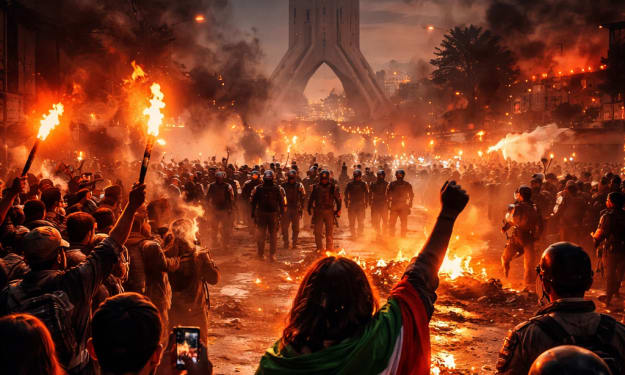
Over the past weeks, Iran has plunged into widespread unrest that continues deep into the night, with nightly demonstrations, heavy government crackdowns, and a near-total information blackout that obscures what is happening on the ground. What began in late December 2025 as discontent over economic hardship has evolved into one of the most intense waves of dissent in recent Iranian history, with dramatic nightly developments shaping both domestic life and international concern.
By Muhammad Islam khan swati11 months ago in 01
Iran, Israel, and the United States: A Deepening Crisis Reshaping the Middle East. AI-Generated.
Introduction The relationship between Iran, Israel, and the United States is one of the most complex, volatile, and consequential trilaterals in global politics. The tensions among these three actors are rooted not only in ideology or security concerns, but in decades of conflict, nuclear fears, proxy wars, shifting alliances, and regional ambitions.
By Muhammad Islam khan swati11 months ago in 01