future
Explore the next frontier of tech innovation, and imagine our society in the near and far future.
How to Build Resilience and Overcome Adversity in Your Life
Life is unpredictable, and adversity is inevitable. Everyone has to face difficult times in their life. Whether it's losing a loved one, going through a breakup, facing financial problems, or dealing with a health issue, adversity can be overwhelming and challenging to overcome. However, building resilience can help you navigate through tough times and bounce back stronger than before. In this article, we will explore some ways to build resilience and overcome adversity in your life. Cultivate a Positive Mindset: The way we think has a significant impact on how we feel and act. A positive mindset can help you approach challenges with a sense of optimism and hope. To cultivate a positive mindset, practice gratitude, surround yourself with positive people, and focus on the good things in your life. It's easy to get bogged down by negative thoughts, but by consciously choosing to focus on the positive, you can build resilience and overcome adversity. Practice Self-Care: Self-care is essential for building resilience. Taking care of your physical, emotional, and mental health can help you cope with stress and adversity. This includes getting enough sleep, eating a healthy diet, exercising regularly, and engaging in activities that bring you joy and relaxation. Taking care of yourself can help you feel better equipped to face challenges and overcome adversity. Build a Support System: Having a strong support system can make a significant difference in how you cope with adversity. This includes family, friends, and even mental health professionals. Surround yourself with people who support and encourage you. Talk to them about what you're going through and ask for help when you need it. Knowing that you have people who care about you can help you feel less alone and more resilient. Learn from Adversity: Adversity can be a powerful teacher. Instead of letting it defeat you, use it as an opportunity to learn and grow. Reflect on the lessons you've learned from past challenges and use them to help you navigate current ones. By learning from adversity, you can become more resilient and better equipped to face future challenges. Take Action: Taking action is an essential part of building resilience. When faced with adversity, it's easy to feel overwhelmed and helpless. However, taking even small steps can help you regain a sense of control and empower you to overcome the challenge. Identify what you can do to improve the situation and take action, no matter how small it may seem. By taking action, you can build momentum and move forward towards a more positive outcome. Practice Mindfulness: Mindfulness is the practice of being present in the moment and fully engaged in what you're doing. It can help you stay calm and focused during difficult times. When you're feeling overwhelmed, take a few moments to focus on your breath and bring yourself back to the present moment. Mindfulness can help you stay grounded and build resilience. Find Meaning and Purpose: Finding meaning and purpose in your life can help you stay motivated and resilient during challenging times. This includes setting goals, pursuing your passions, and finding ways to contribute to your community. When you have a sense of purpose, it can help you stay focused and motivated, even when faced with adversity. In conclusion, building resilience is essential for overcoming adversity in your life. By cultivating a positive mindset, practicing self-care, building a support system, learning from adversity, taking action, practicing mindfulness, and finding meaning and purpose, you can become more resilient and better equipped to face challenges. Remember that resilience is not about being perfect or never experiencing difficult times. It's about bouncing back stronger than before and continuing to move forward, no matter what challenges you may face.
By Himanshu Goyal3 years ago in 01
7 Strategies for Maintaining a Positive Mindset During Challenging Times
Maintaining a positive mindset during challenging times can be a daunting task. It can be difficult to stay motivated and focused on your goals when everything around you seems to be falling apart. However, maintaining a positive mindset is critical for your mental health and overall well-being. Here are 7 strategies to help you maintain a positive mindset during challenging times. Practice Gratitude One of the most effective ways to maintain a positive mindset during challenging times is to practice gratitude. Take a few minutes every day to focus on the things that you are grateful for in your life. This could be anything from having a roof over your head to the people in your life who support you. When you focus on what you have rather than what you don't have, you will start to feel more positive and optimistic about your situation. Focus on the Present Moment Another strategy for maintaining a positive mindset is to focus on the present moment. It's easy to get caught up in worrying about the future or dwelling on the past, but these thoughts can lead to anxiety and depression. Instead, try to focus on what you can do right now to improve your situation. This might involve taking small steps towards your goals or simply enjoying the moment. Surround Yourself with Positive People The people we surround ourselves with can have a big impact on our mindset. If you're going through a challenging time, it's important to surround yourself with positive, supportive people. These might be friends or family members who can offer encouragement and help you stay motivated. Alternatively, you might find a support group or online community where you can connect with others who are going through similar challenges. Practice Self-Care Taking care of yourself is essential for maintaining a positive mindset during challenging times. This might involve getting enough sleep, eating a healthy diet, and exercising regularly. It's also important to take time for yourself to do things that you enjoy, such as reading, meditating, or spending time in nature. When you prioritize your own well-being, you will be better equipped to handle the challenges that come your way. Set Realistic Goals Setting realistic goals can help you maintain a positive mindset during challenging times. When you have a clear idea of what you want to achieve, it can give you a sense of purpose and direction. However, it's important to set goals that are achievable given your current circumstances. If you set unrealistic goals, you may become discouraged when you don't achieve them.
By Himanshu Goyal3 years ago in 01
The Evolution of Smart Home Electronics and How They Make Life Easier
The smart home technology revolution has taken the world by storm, and it's not hard to see why. With a few simple commands, homeowners can control almost every aspect of their homes, from the temperature and lighting to the security system and appliances. The evolution of smart home electronics has made life easier for homeowners in a number of ways.
By Miracle Phronesis3 years ago in 01
5G Technology and Its Impact on the Future of Electronic Devices
The fifth generation (5G) of cellular wireless communication technology is currently being rolled out across the world. This new technology is expected to revolutionize the way we communicate and interact with electronic devices. In this article, we will explore the impact of 5G technology on the future of electronic devices.
By Miracle Phronesis3 years ago in 01
A Web-Based Alternative to Photoshop with Pros and Cons
PHOTOPEA: Photopea is an online photo editing tool allowing users to edit images without downloading or installing software. It is a web-based application similar to Adobe Photoshop regarding functionality and user interface.
By Syed Talal3 years ago in 01
The evolution of thoughts, from philosophers to AI and beyond.
Introduction: "Instead of thinking about stuff, let's think about thinking about stuff!" This intriguing idea, once the domain of philosophers, has now found its way into the realm of artificial intelligence (AI). As we delve into the origins of thinking, its patterns, and development, we're also exploring how AI can revolutionize the way we approach tasks and problem-solving. Let's take a journey through the evolution of thought and discover how AI is transforming the way we think about thinking.
By mostafa elouadghiri3 years ago in 01
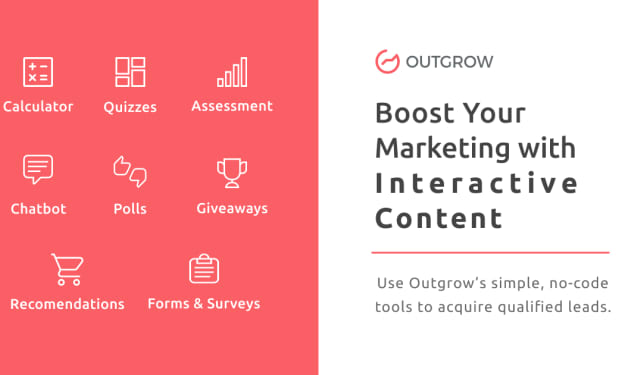
Outgrow: How It Can Help You Generate High-Quality Leads and Convert Sales for Your Website
Are you struggling to generate high-quality leads for your website? Have you tried different lead generation tools, but none seem to be working? If your answer is yes, then you are in the right place. In this article, we will introduce you to Outgrow, a powerful lead generation tool that can help you generate high-quality leads and convert sales for your website.
By The Fitpreneur Network3 years ago in 01
How to Create a Morning Routine That Sets You Up for Success
Do you find yourself feeling stressed and rushed every morning? Are you constantly running late and struggling to get things done? It's time to create a morning routine that sets you up for success. By starting your day off on the right foot, you can boost your productivity, reduce stress, and achieve your goals more easily. Here are some tips to help you create a morning routine that works for you. Start the night before Your morning routine actually starts the night before. Take some time each evening to plan out your morning. Decide what you want to accomplish, what you'll wear, and what you'll eat for breakfast. This will help you feel more organized and prepared when you wake up in the morning. Wake up early Waking up early can give you a head start on your day. Try waking up at least 30 minutes earlier than you usually do. This will give you time to ease into your day, rather than feeling rushed and stressed. Exercise Exercising in the morning can help you feel energized and ready to take on the day. Even a short workout can make a big difference. Consider going for a walk, doing some yoga, or hitting the gym. Drink water Drinking water first thing in the morning can help you feel more awake and alert. It can also help you stay hydrated throughout the day. Try drinking a glass of water as soon as you wake up. Eat a healthy breakfast Eating a healthy breakfast can give you the energy you need to tackle the day. Try eating a balanced breakfast that includes protein, whole grains, and fruits or vegetables. Avoid sugary or processed foods, as they can cause a mid-morning crash. Meditate or practice mindfulness Taking a few minutes to meditate or practice mindfulness can help you reduce stress and feel more centered. Try sitting quietly and focusing on your breath for a few minutes each morning. Plan your day Take a few minutes to plan out your day each morning. Write down your goals and priorities, and create a schedule for the day. This will help you stay focused and on track throughout the day. Set aside time for self-care
By Himanshu Goyal3 years ago in 01
10 Simple Ways to Reduce Stress and Anxiety in Your Daily Life
Stress and anxiety have become a common part of our lives due to the fast-paced world we live in. Whether it's the pressure of work, family responsibilities, or personal issues, stress and anxiety can take a toll on our physical and mental well-being. While it's impossible to completely eliminate stress from our lives, there are several ways to reduce it and manage it better. In this article, we will discuss 10 simple ways to reduce stress and anxiety in your daily life. Exercise Exercise is one of the most effective ways to reduce stress and anxiety. It helps release endorphins, which are natural mood-boosters, and can improve sleep quality. You don't need to have a gym membership to exercise – even a 30-minute walk or jog can make a big difference. Meditate Meditation is a technique that has been used for thousands of years to reduce stress and anxiety. It involves focusing your attention on a particular object, thought, or activity to achieve a calm and clear state of mind. Regular meditation can help you feel more relaxed and focused throughout the day. Take breaks Taking breaks throughout the day can help you manage stress and anxiety better. When you're feeling overwhelmed, take a few minutes to step away from your work or activity and do something that you enjoy, such as listening to music or taking a short walk. This can help you reset and come back to your tasks with a fresh perspective. Get enough sleep Lack of sleep can increase stress and anxiety levels, so it's important to prioritize getting enough sleep each night. Aim for 7-8 hours of sleep per night, and try to establish a consistent sleep routine by going to bed and waking up at the same time each day. Practice deep breathing Deep breathing is a simple technique that can help you relax and reduce stress and anxiety. Take a deep breath in through your nose, hold it for a few seconds, and then slowly exhale through your mouth. Repeat this a few times until you feel more relaxed. Eat a healthy diet Eating a healthy diet can help you feel better physically and mentally. Try to incorporate a variety of fruits, vegetables, whole grains, and lean proteins into your diet, and limit your intake of processed foods and sugar. Stay hydrated Dehydration can make you feel more stressed and anxious, so it's important to stay hydrated throughout the day. Aim to drink at least 8-10 glasses of water per day, and try to limit your intake of caffeine and alcohol. Practice gratitude Practicing gratitude can help shift your focus away from negative thoughts and feelings and towards positive ones. Take a few minutes each day to think about things that you're grateful for, whether it's a supportive friend or family member, a beautiful day outside, or a delicious meal. Connect with others Connecting with others can help reduce stress and anxiety by providing social support and a sense of belonging. Make an effort to connect with friends and family members regularly, whether it's through phone calls, text messages, or in-person meetings. Seek professional help If you're struggling with stress and anxiety and find that these techniques aren't helping, it may be time to seek professional help. A mental health professional can provide you with additional support and resources to manage your stress and anxiety more effectively. In conclusion, stress and anxiety are a common part of our lives, but they don't have to control us. By incorporating these 10 simple techniques into your daily routine, you can reduce stress and anxiety and feel more relaxed and focused throughout the day. Remember, it's important to prioritize self-care and seek professional help if needed to manage your stress and anxiety effectively.
By Himanshu Goyal3 years ago in 01