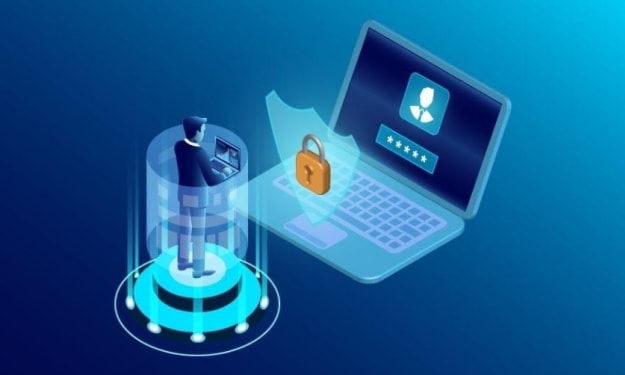
cybersecurity
Our personal, digital, national and military security depend on a safe cyber space.
Cyber Forensic in the Banking sector
ABSTRACT: Banking is one of the most fundamental institutions in any country and protecting bank customers is paramount to the good functioning of the country. Banks were exposed to a number of risks. The development of computers has had a great impact on the banking sector, but with it has increased the various ways in which people can become victims of various attacks.
By wise monkeys3 years ago in 01
The Role Of Cyber Forensics In Criminology
Abstract - Cyber forensics also known as computer forensics, which is a subdivision of digital forensic science, relating to evidence detection in computers and digital storage media. The purpose of cyber forensics is the forensically- sound investigation of digital media with the intent to: identify, preserve, recover, analyze, present facts, and opinions; concerning the digital information. Even though it is generally allied with the analysis of cyber-based crimes, computer
By wise monkeys3 years ago in 01
Computation integration nominated for 2023 A' Design Award
The A’ Design Award is one of the World’s largest and most influential design accolades that governs the World Design Rankings, has its own design museum, has over 200+ jurors, 50+ official media partners, 2000 affiliated design publications, publishes results in 108 languages, physically exhibits winners in 10 countries, organized in 133 categories and obtains over 180 million page views and 2.5 billion impressions, each year.
By Distinguished Honorary Alumni Dr. Matthew Primous3 years ago in 01
Debugging Life: A Coder's Quest Against Imposter Syndrome
I'm Stan, a 35-year-old coder with a mild obsession with blockchain technology and a severe case of imposter syndrome. For years, I've ridden the tech industry's chaotic waves, enduring the bumps and bruises of a fast-paced environment. My nemesis, though, is not a rogue bug in my code or the dreaded deadline that looms over my head. No, it's the haunting question that lingers at the back of my mind, "Am I good enough?"
By Evan Brown3 years ago in 01
What is Cybersecurity
Cybersecurity refers to the practice of protecting computer systems, networks, and data from unauthorized access, damage, or theft. It encompasses a range of measures and technologies designed to safeguard digital information and ensure the confidentiality, integrity, and availability of data.
By Sarah Ahmad3 years ago in 01
Cloud Security Services for Small Businesses: Why They’re Essential?
In the modern business world, every organization aims to surpass its competitors. However, there are some organizations that engage in unfair practices to gain an advantage over others. This emphasizes the importance of investing in cybersecurity services to safeguard against such harmful competition. Ultimately, protecting data is a crucial priority for any business.
By Jason Davis3 years ago in 01
Top 10 Software Development Trends in 2023 and Beyond
Software development plays a crucial role in terms of business growth. However, it is continuously evolving under the influence of emerging software trends and various external factors. And with increased societal demands, it is imperative to keep up with the latest developments.
By Rahul Jhaveri3 years ago in 01
Top 10 Richest People In The World 2023
Top 10 richest individuals in the world as of 2023, along with their approximate net worth: 1. Bernard Arnault: With an estimated net worth of $214.5 billion, Bernard Arnault holds the top position on the list. As the owner of LVMH (Louis Vuitton Moet Hennessy), Arnault has built his wealth through the luxury fashion industry. His conglomerate includes renowned brands like Louis Vuitton, Dior, Givenchy, and Bulgari.He continues to make significant acquisitions, including the purchase of Tiffany & Co. and the Belmont luxury hotel group.
By Mary Martins 3 years ago in 01
Biden's $4.2 Internet Expansion
BIden has finally unveiled a groundbreaking plan to invest $42 billion into expanding high-speed internet access across the United States. The initiative aims to bring reliable and affordable broadband connectivity to millions of Americans who currently lack access, thereby fostering economic growth, educational opportunities, and improved healthcare outcomes. By prioritizing digital equity, President Biden's administration seeks to ensure that every American has the tools necessary to thrive in the modern digital age. The Digital Divide and its Impact The digital divide refers to the disparity in access to affordable and reliable internet services between different geographic regions and socioeconomic groups. In today's interconnected world, the lack of reliable internet access significantly hampers individuals' ability to participate fully in various aspects of life. This divide creates a multitude of challenges, including limited educational opportunities, reduced access to healthcare services, and diminished economic prospects for those living in underserved communities. Addressing Educational Inequities One of the key objectives of the $42 billion investment is to address the educational inequities exacerbated by the digital divide. With the COVID-19 pandemic necessitating remote learning, the absence of reliable internet access has severely impacted students from disadvantaged backgrounds. By expanding high-speed internet to every corner of the country, the Biden administration aims to ensure that students have equal access to online learning resources, bridging the educational gap and providing a level playing field for all. Promoting Economic Development Access to high-speed internet is no longer a luxury; it is an essential tool for economic growth and development. Small businesses, especially those in rural and underserved areas, have been disproportionately affected by limited connectivity. With enhanced internet access, entrepreneurs and small business owners will be able to harness the power of e-commerce, connect with customers worldwide, and access online marketplaces, thereby expanding their customer base and increasing their competitiveness. The $42 billion investment will empower businesses in underserved regions, fostering innovation, job creation, and economic prosperity. Improving Healthcare Delivery The COVID-19 pandemic has underscored the importance of telemedicine and remote healthcare services. However, millions of Americans lack access to the necessary internet infrastructure to access virtual healthcare options. President Biden's plan seeks to rectify this issue by investing in high-speed internet infrastructure in underserved areas, enabling remote healthcare consultations, telehealth services, and access to medical information. This transformation will enhance healthcare outcomes, particularly for rural communities and low-income individuals who face significant barriers to in-person care. Building Infrastructure and Expanding Broadband A substantial portion of the $42 billion investment will be allocated to building new internet infrastructure and expanding broadband networks. This includes extending high-speed internet to unserved areas, upgrading existing networks to faster speeds, and enhancing the overall reliability and affordability of broadband services. Additionally, the investment will focus on ensuring that broadband services reach low-income households, providing subsidies and programs to make internet access more accessible and affordable for those who need it most. Public-Private Partnerships and Job Creation To maximize the impact of the investment, the Biden administration plans to leverage public-private partnerships. By working with internet service providers, local governments, and other stakeholders, the plan aims to accelerate the expansion of broadband networks and improve their efficiency. This collaborative approach will not only promote innovation but also generate employment opportunities in the technology sector. As new infrastructure projects are initiated, the demand for skilled workers will rise, leading to job creation and economic revitalization in both urban and rural areas. Conclusion President Biden's announcement of a $42 billion investment to expand high-speed internet access is a pivotal step towards closing the digital divide and promoting digital equity across the United States. By prioritizing education, economic development, and healthcare, the plan aims to empower individuals and communities It is a great revolutionalization.
By Hezekiah Ayodeji3 years ago in 01