
Scaling Up Success: The Definitive Guide to Large Concrete Mixers for Heavy Infrastructure
This guide explores the technical and financial aspects of industrial-scale mixing technology.
The global construction sector currently faces a massive demand for rapid infrastructure development. Large-scale projects like dams, highways, and high-rise foundations require an enormous volume of consistent material. Consequently, selecting the right large concrete mixers is a critical decision for any major contractor. This guide explores the technical and financial aspects of industrial-scale mixing technology.
The Vital Role of Large Concrete Mixers in Modern Construction
Industrial projects depend on a continuous and reliable supply of high-strength concrete. Standard mixers often lack the capacity to handle the sheer volume required for massive pours. Therefore, large concrete mixers provide the necessary throughput to keep these ambitious projects on schedule. They ensure that the structural integrity of the build remains consistent from start to finish.

Furthermore, these machines are designed to withstand the heavy-duty cycles of a busy industrial site. They feature reinforced frames and high-torque motors that can run for several hours without stopping. This durability is essential for preventing bottlenecks during critical phases of the construction process. Investing in large-scale equipment allows you to bid for more complex and profitable contracts.
The Operational Efficiency of the Self Loaded Concrete Mixer
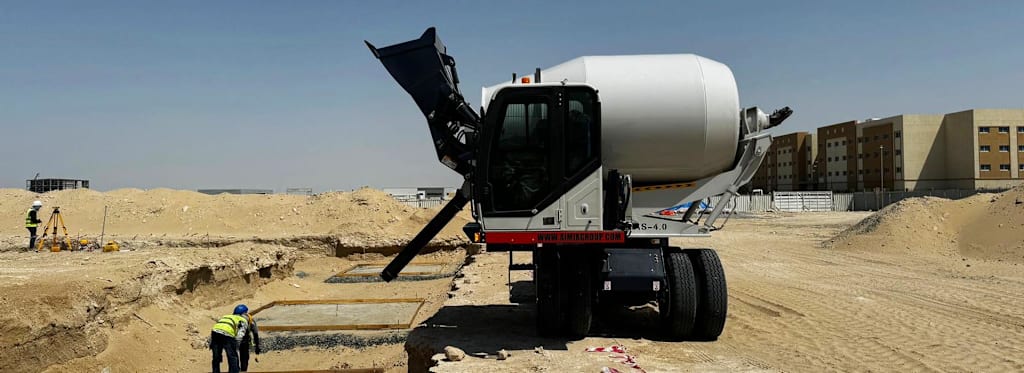
A significant trend in large-scale construction is the move toward autonomous equipment. Many firms are now integrating the self loaded concrete mixer into their heavy machinery fleets. This machine combines the functions of a batching plant and a transport vehicle into one unit. It can load its own materials, mix them, and deliver the concrete directly to the site.
The self loaded concrete mixer is particularly useful for projects spread over large geographic areas. You do not need to set up multiple static batching plants across the project site. Instead, these mobile units travel to wherever the work is happening at that moment. This flexibility reduces your total equipment footprint and lowers your overall operational costs.
Evaluating Technical Specifications for Industrial Capacity
When you analyze large concrete mixers, you must look beyond the initial purchase price. The volume of the mixing drum is obviously a primary consideration for your daily output. However, the speed of the mixing cycle is equally important for maintaining a fast project pace. Faster cycles allow you to produce more cubic meters of concrete in a single shift.

The quality of the internal mixing blades also determines the final strength of the material. Advanced blade designs ensure that the cement, water, and aggregates are perfectly blended. This uniformity prevents weak spots in the concrete that could lead to structural issues later. You should choose a mixer with wear-resistant blades to reduce your long-term maintenance needs.
Power Systems and Fuel Efficiency for Large-Scale Units
Most large concrete mixers utilize powerful diesel engines to drive the heavy mixing drums. These engines must provide enough torque to start a full load from a complete standstill. You should prioritize engines from reputable manufacturers that offer better fuel efficiency ratings. Lower fuel consumption can save your business thousands of dollars over the life of the machine.
Furthermore, consider the environmental regulations in your specific region or operating area. Modern industrial engines now include advanced emission control systems to reduce their carbon footprint. While these systems might add to the initial cost, they ensure long-term compliance with laws. Sustainable operations also improve your brand image when bidding for government-funded infrastructure projects.
Transitioning from Manual to Automated Mixing Controls
Automation is no longer a luxury in the heavy construction equipment market. Many large concrete mixers now feature sophisticated digital control panels for the operator. These systems allow you to program specific mix designs with a high degree of accuracy. You can ensure that every batch meets the exact engineering requirements of the project.
Digital controls also help in monitoring the health of the machine in real-time. Sensors can detect issues like engine overheating or hydraulic pressure drops before they cause failures. This proactive data allows your maintenance team to schedule repairs during planned downtime periods. Consequently, you avoid the high costs associated with sudden breakdowns during a major concrete pour.
Navigating the Logistics of Large-Scale Material Handling
Managing the raw materials for large concrete mixers is a significant logistical challenge. You need a steady supply of sand, stone, and cement to keep the mixers running. Therefore, your site layout must allow for easy access by heavy delivery trucks. Efficient material stockpiling prevents the mixers from sitting idle while waiting for fresh supplies.
If you use a self loaded concrete mixer, your material handling becomes much simpler. The machine can pick up its own aggregates from a central stockpile on the site. This feature reduces the number of extra loaders and trucks you need to manage. It creates a more streamlined workflow and reduces the congestion on your busy construction site.
Maintenance Protocols for Heavy-Duty Mixing Equipment
A rigorous maintenance schedule is mandatory for protecting your investment in large concrete mixers. You must clean the mixing drum thoroughly at the end of every working day. Any concrete that hardens inside the drum will reduce its capacity and balance. Furthermore, the extra weight of dried concrete puts unnecessary strain on the drive system.
Regularly inspect the hydraulic hoses and fittings for any signs of leaks or cracks. High-pressure hydraulic systems are the lifeblood of most modern industrial mixing machines. You should also check the tension of the drive chains or belts on a weekly basis. Replacing a worn part early is always much cheaper than repairing a catastrophic failure.
Sourcing Reliable Spare Parts and Technical Expertise
No machine can run forever without needing some form of mechanical repair or service. Therefore, you must choose a supplier that offers excellent parts availability for your region. Waiting for parts to arrive from another country can stall your project for several weeks. Verify that your dealer has a local service center with factory-trained technicians.
You should also invest in comprehensive training for your own on-site mechanical team. They should understand the basic troubleshooting steps for the specific model of mixer you own. This internal knowledge allows you to handle minor issues without waiting for external help. A well-trained team ensures that your large concrete mixers stay productive for many years.
Comparing New vs. Used Industrial Mixing Equipment
Many firms consider buying used large concrete mixers to reduce their initial capital outlay. This can be a viable strategy if you find a machine with a documented service history. However, you must perform a very detailed inspection of the drum and the engine. The cost of overhauling a large industrial engine can be extremely high.
New machines offer the latest safety features and better overall fuel efficiency for your fleet. You also get the peace of mind that comes with a full manufacturer warranty. While the initial cost is higher, the total cost of ownership is often lower over time. New equipment also provides better data integration for your modern project management software.
The Impact of Large Mixers on Project Timelines
The speed of your concrete production often dictates the entire timeline of a project. Using large concrete mixers allows you to finish foundations and structural frames much faster. This speed can lead to early completion bonuses from your clients and investors. It also allows you to move your crew to the next project sooner.
Efficiency on the site also reduces the interest costs on your construction loans. Every day you save on the schedule improves the overall profitability of the venture. Therefore, the capacity of your mixing fleet is a key driver of your financial success. High-capacity machinery is a fundamental requirement for any serious infrastructure contractor today.
Adapting to Different Project Environments and Climates
Industrial projects often take place in very challenging environmental conditions and climates. Your large concrete mixers must be able to operate in extreme heat or cold. High-temperature environments require advanced cooling systems to prevent engine and hydraulic failure. Conversely, cold climates might require specialized heating systems for the water and materials.

Ensure that your equipment is configured for the specific geography of your work site. For example, high-altitude projects might require engines with specialized turbochargers for peak performance. A versatile machine that can handle various conditions will provide a better return on investment. This flexibility allows you to take on projects in different provinces or even neighboring countries.
Conclusion: Building a Foundation for Long-Term Growth
Investing in high-capacity mixing technology is a strategic move for any growing construction firm. Whether you choose stationary units or a self loaded concrete mixer, focus on durability. These machines provide the independence and power you need to tackle the world's largest projects. They are the essential tools for building the infrastructure of the future.
Take the time to analyze your long-term project pipeline before making a final purchase. Consult with engineering experts to find the right configuration for your specific technical needs. A smart choice today will improve your operational efficiency for many years to come. Your business deserves the most reliable and powerful mixing technology available on the market.
About the Creator
consrtuctionmachines
AIMIX is a customer-center-oriented heavy equipment manufacturer and supplier, devoted to production, innovation, combination, one-stop solution, etc.
https://aimixgroup.com/
Enjoyed the story? Support the Creator.
Subscribe for free to receive all their stories in your feed.
Comments
There are no comments for this story
Be the first to respond and start the conversation.