
iPhone 18 Pro Randomly Restarting? Apple Confirms Face ID Bug
The panic-full logs point to a software collision between iOS 27 and the Secure Enclave. Here is what to do if your phone is affected.
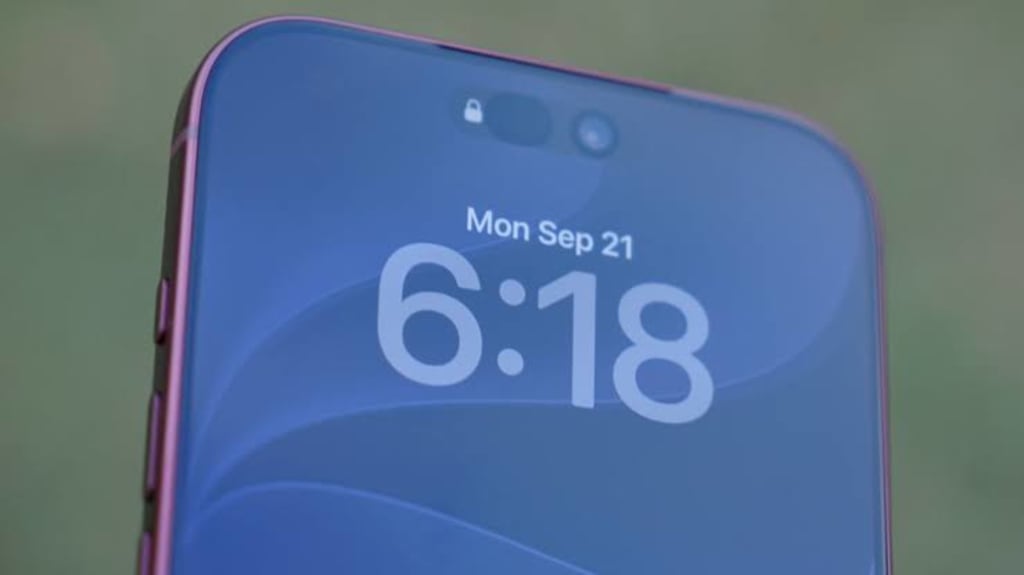
Ten days after the iPhone 18 Pro series went on sale, Apple customer service confirmed a system vulnerability tied to Face ID. It causes devices to freeze and restart in specific situations. The issue is software, not hardware, and Apple says a future update will fix it.
Customer service did not mention the trace this vulnerability leaves in user logs: panic-full.
Panic-full is a protective forced restart triggered by a kernel panic. When the system kernel hits an unrecoverable error, it restarts to avoid worse damage. You can find logs beginning with panic-full under Settings > Privacy & Security > Analytics & Improvements > Analytics Data. When one appears, the device has suffered a kernel-level crash. This is more serious than an app crashing.
The trigger path is narrow. Multiple users report that after entering banking apps, Apple Wallet, or Photos’ “Recently Deleted,” all of which require Face ID authentication, repeatedly failing facial recognition causes the device to go black and restart. One user covered the Face ID sensor, released it, and covered it again. After the screen showed “Try Again,” the phone restarted. The same test produced the same restart multiple times.
A Reddit user pulled logs. The core lines of the panicString are:
SEP Panic: [elfour panic] exception.c:+
Firmware type: UNKNOWN SEPOS
In the backtrace analyzed by a user in the Korean FMKorea community, the driver name is com.apple.driver.AppleSEPManager.
These three lines point to the same component: SEP.
SEP stands for Secure Enclave. It is a security chip inside the iPhone, separate from the main processor. Face ID matching runs on the SEP, and the main system never touches facial data. SEP Panic means the chip handling core security authentication crashed. Firmware type: UNKNOWN SEPOS means the main system read the SEP firmware state as “unknown.” iOS did not know what happened on the security chip side. AppleSEPManager is the iOS kernel driver that handles communication between the main system and the SEP. The crash was reported along that link.
Putting the logs and trigger scenarios together, a reasonable speculation is that there is a flaw in the retry logic after Face ID authentication failure. Normally, the process is recognition failure, prompt retry, wait for the next input. In some version of iOS 27, repeated failed authentication requests push the SEP into an abnormal state. The communication link between the main system and the security chip collapses, the kernel panics, and the system force-restarts.
Face ID recognition itself is not inaccurate. The process for handling a failed Face ID attempt crashes the system.
Some users also report that their restarts are unrelated to Face ID. Some were watching videos when the device suddenly froze. Some were listening to music when the music cut out. Some just turned on the flashlight and the device shut down and restarted. These cases may be alternative trigger paths for the same underlying anomaly, or they may be independent issues. There is currently no official confirmation, so this can only be considered speculation. The core judgment remains unchanged: if hardware were failing in batches, it would not be concentrated on the same authentication-failure path, nor would it be stably reproduced by media across regions and channels.
This is not the first time Apple has encountered panic-full.
In the early days of the iPhone 16 series launch in 2024, some iPhone 16 Pro and Pro Max users reported that their devices unexpectedly restarted 10 to 20 times a day. The trigger scenario was also Face ID-related authentication. In the iOS 18.1 release notes, Apple wrote one line: “Fixes an issue where iPhone 16 or iPhone 16 Pro models may unexpectedly restart.”
Two years later, the same type of problem, the same trigger characteristic, again concentrated in the early launch period. The logs from the iPhone 16 case pointed to AOP PREFETCH ABORT on the AOP (Always On Processor) firmware side. This time they point to SEP. Both cases share a pattern: a coprocessor other than the main CPU panics, the outbreak is concentrated in the early launch period, and a system update eventually fixes it.
Apple customer service’s line this time is “a very small number of cases; engineers are testing and optimizing.” Purchases from official channels can be returned or exchanged unconditionally within 14 days. As of public reports, the fix patch has not yet been pushed. Media generally predict it will land in the next iOS 27.x minor version.
If you are holding an iPhone 18 Pro that frequently restarts, there are a few things you can do.
First, check the logs. In Settings > Privacy & Security > Analytics & Improvements > Analytics Data, look for records beginning with panic-full. If there are any, take screenshots and save them. When you go to an Apple service center, the logs are the most direct evidence.
Do not hesitate within the 14-day return or exchange period. Purchases from official channels support unconditional return or exchange. Return it or exchange it as needed. Do not miss the window because you are “waiting for an update.”
For now, avoid repeatedly triggering Face ID failures. Normal use is not a big problem, but if you have already experienced restarts, reducing high-frequency failed retries can lower the probability of triggering it.
Keep an eye on subsequent iOS minor version updates. Apple has admitted it is a software problem, and the fix will most likely land in the next version. Before updating, do not easily trust unofficial “fix tutorials.”
Peeling paint on the casing is another matter. Some netizens complained that the aluminum alloy casing of the iPhone 18 series peels and deforms. A Hangzhou dealer said the previous-generation iPhone 17 Pro Max had similar problems, and non-official channels do not support exchanges after activation. This is not the same issue as freezing and restarting, but it is likewise on the checklist of things to inspect during the launch period.
The useful takeaway from this incident is specific: a compatibility crack between Face ID retry logic and security chip firmware sat on a high-frequency authentication path. That is how it became a public event.
Software bugs get fixed. Hardware defects do not get better on their own. All public evidence so far points to the former.
About the Creator
Jin
Writer of reamstories
https://reamstories.com/jin
Enjoyed the story? Support the Creator.
Subscribe for free to receive all their stories in your feed. You could also become a paid subscriber, letting them know you appreciate their work.
Comments
There are no comments for this story
Be the first to respond and start the conversation.