
How to Choose Concrete Mixing and Pumping Equipment for Your Project
Understand two key tools and choose machines that match your job size.
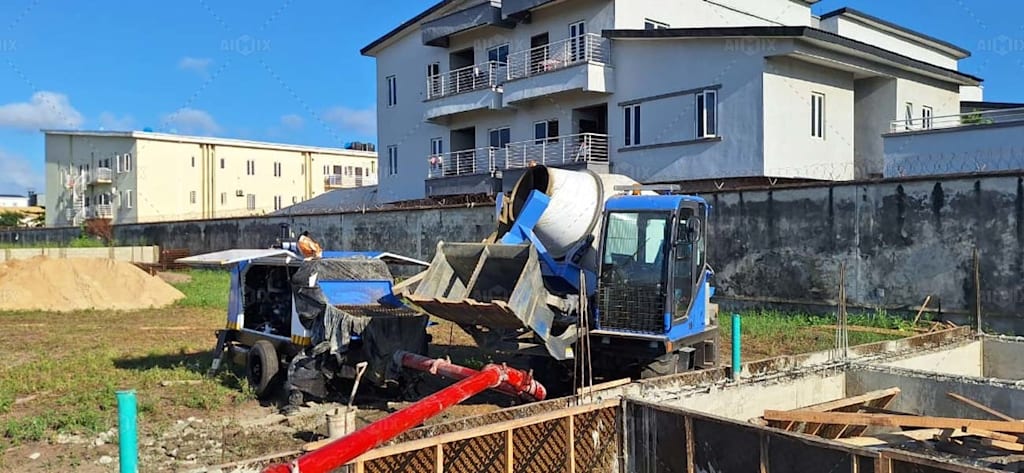
Selecting the right concrete equipment saves time and money. Many contractors struggle with this choice. You need machines that match your job size. Small projects differ from large commercial sites. This guide helps you understand two key tools. First is the self loading concrete mixer. Second is the mini concrete pumps for sale on many dealer lots. We focus on practical advice. No hype or empty claims here. Just useful facts for real work.
What Is a Self Loading Concrete Mixer?
This machine does three jobs in one unit. It loads materials like sand and gravel. Then it mixes them with cement and water. Finally it discharges fresh concrete. You do not need a separate batching plant. Therefore you save setup time. These mixers work well in remote areas. They also fit tight construction zones.
Most models have a rotating drum. An operator controls the loading arm. That arm scoops aggregates from a pile. Next the machine adds cement and water. The drum spins to mix everything. After a few minutes, you have quality concrete. Then you drive to the pour location. The machine can steer into small spaces. Some units even have a weighing system. That system ensures accurate mix proportions.
A self loading concrete mixer is very efficient. One worker can operate it alone. You avoid hiring extra crew for loading. You also reduce material waste. The mixer produces only what you need. For example, pour a foundation in the morning. Then clean the drum quickly. After lunch, produce another batch. This flexibility is valuable for small contractors.
Benefits of Using a Self Loading Mixer
First, you lower your equipment costs. Buying separate loaders and mixers costs more. A single machine replaces multiple tools. Second, you gain mobility. These mixers have wheels and an engine. You can drive them on rough terrain. Third, you control quality better. You see every ingredient going into the drum. No chance of getting premixed concrete that sits too long.
Another benefit is less manual labor. Workers do not shovel aggregates into a mixer. The hydraulic arm does that work. Consequently, your crew stays fresh for finishing tasks. Also, cleanup is straightforward. Most drums have a water tank and spray nozzles. You rinse the inside after each batch. That prevents hardened concrete buildup.
For job sites without electricity, this mixer is ideal. It runs on diesel or gasoline. You do not need power lines or generators. Additionally, maintenance is simple. Regular oil changes and filter checks keep it running. Spare parts are widely available. Many manufacturers offer support online.
When to Choose Mini Concrete Pumps
Now let us talk about moving concrete. After mixing, you need to place it. That is where pumps help. Mini concrete pumps for sale come in various sizes. They push wet concrete through a hose. You can reach high floors or distant corners. A wheelbarrow cannot do that. Nor can a crane bucket.
Use a mini pump for tight access areas. For example, a backyard patio. A truck mixer cannot drive there. But a mini pump sits on a small trailer. You roll it through a gate. Then you run a hose to the formwork. The pump does the rest. Another use is indoor slabs. Basements or garages often have low ceilings. Mini pumps fit through standard doorways.
These pumps also reduce concrete waste. Manual placement often drops material. That spilled concrete hardens and becomes trash. A pump delivers exactly where you aim. Therefore you use every liter you mix. Some mini pumps have remote controls. The operator stands near the pour point. That improves accuracy and safety.
Key Features of Mini Concrete Pumps for Sale
Look for a pump with enough output. Small pumps move 10 to 30 cubic meters per hour. That is fine for residential work. Also check the maximum pumping distance. Horizontal reach of 100 meters is common. Vertical reach up to 50 meters works for three-story buildings.
The engine type matters. Electric pumps are quiet and clean. Use them indoors or in neighborhoods. Diesel pumps have more power. They work on sites without grid power. Hydraulic systems should be reliable. A dual-cylinder pump gives steady flow. That prevents blockages in the hose.
Hose diameter affects performance. A 3-inch hose handles standard aggregates. Smaller hoses clog easily. Larger hoses are heavy to move. Choose what matches your concrete mix. Also ask about wear parts. Pump cylinders and pistons wear over time. Easy replacement saves downtime.
Another useful feature is a swivel joint. This lets you direct the hose without twisting it. Also look for a water flush system. After pumping, you flush the line clean. That prevents leftover concrete from hardening inside. Some pumps include a remote start-stop button. That convenience speeds up your workflow.
How to Combine Both Machines on a Job Site
Pairing a self loading concrete mixer with a mini pump is powerful. First, the mixer produces fresh concrete right at your site. Second, the pump moves that concrete to hard-to-reach spots. Therefore you eliminate waiting times. No need for ready-mix trucks. No delays for delivery.
Here is a typical workflow. You position the mixer near your aggregate pile. The operator loads materials into the drum. Meanwhile, you set up the mini pump nearby. Connect the pump’s hopper to the mixer’s discharge chute. The mixer drops concrete into the hopper. Then the pump pushes it through the hose. One worker controls the mixer. Another guides the hose. They communicate with hand signals or radios.
This setup works for walls, columns, and slabs. For a house foundation, you pump concrete directly into forms. For a driveway, you spread concrete evenly. The combination reduces wheelbarrow labor. It also speeds up the pour. A 10-cubic-yard job might take two hours instead of a full day.
Small crews benefit most. Three people can do the work of six. One person runs the mixer. One person operates the pump. One person finishes the concrete. That is efficient and profitable. Additionally, you avoid concrete hardening in trucks. The self loading mixer produces small batches on demand. The mini pump places each batch before the next is ready.
Cost Considerations for Buyers
Prices vary widely. A used self loading concrete mixer may cost $8,000 to $20,000. New units range from $25,000 to $50,000. Mini concrete pumps for sale start around $5,000 for basic electric models. Professional diesel pumps go up to $30,000. Always compare features, not just price.
Renting is an option for occasional use. Daily rental for a mini pump might be $200 to $400. Monthly rates are lower per day. But if you pour concrete every week, buying makes sense. Also consider resale value. Well-maintained equipment holds value. You can sell it later for a good price.
Financing is available through many dealers. Some offer low-interest loans. Others accept trade-ins. Always ask about warranties. A one-year warranty on parts is standard. Extended warranties cost extra but provide peace of mind. Also check local service support. A dealer two hours away is better than none at all.
Maintenance Tips for Long Life
Clean your equipment after every use. Concrete hardens fast. Once it sets, removal is difficult. For the self loading mixer, spin the drum with water. Use a high-pressure spray if needed. For the pump, flush the hoses and hopper immediately. Run clean water through until it runs clear.
Inspect wear parts weekly. Check mixer blades for damage. Worn blades reduce mixing quality. Replace them when edges are rounded. For pumps, examine pistons and seals. Leaking seals cause pressure loss. Change hydraulic oil every 500 hours. Use the manufacturer’s recommended fluid.
Grease all moving points daily. Mixer drum bearings need grease. Pump cylinder rods need grease too. Keep a log of maintenance dates. That helps you spot patterns. For example, if a seal fails every 300 hours, upgrade to a better brand.
Store equipment properly in winter. Drain all water from tanks and hoses. Freezing water cracks components. Add antifreeze to the drum if needed. Cover the machine with a tarp. That prevents rust from rain and snow. In cold climates, start the engine weekly. Run it for ten minutes to keep the battery charged.
Common Mistakes to Avoid
Do not buy undersized equipment. A mini pump that is too slow will frustrate your crew. Concrete may set before you finish placing it. Similarly, a self loading mixer with a small drum forces you to make many batches. Calculate your peak demand. Then add 20% capacity for safety.
Do not skip training. These machines look simple but have risks. A moving mixer arm can injure a worker. Pump hoses whip if connections fail. Train every operator on safe procedures. Provide written checklists. Review them monthly.
Do not ignore the mix design. Self loading mixers need the right water amount. Too much water weakens concrete. Too little makes it hard to pump. Use a slump test kit. Check each batch before pumping. Adjust water until slump is 4 to 6 inches for pumping.
Do not forget hoses and fittings. A cheap hose bursts under pressure. That creates a mess and danger. Buy reinforced concrete hoses. Use quick couplers that lock securely. Replace any hose with bulges or cuts.
Final Advice for Your Purchase
Visit a dealer to see machines in action. Run a self loading mixer yourself. Test a mini pump with actual concrete. Ask about demo units or used equipment. Many dealers offer certified pre-owned machines. These come with inspections and some warranty.
Read online reviews from other contractors. Focus on comments about reliability and parts availability. Avoid brands with no local support. Also consider shipping costs. A great price from a distant seller may not save money after freight fees.
Think about your typical projects. Do you pour many small slabs? Then a self loading mixer alone may suffice. Do you work on multi-story buildings? Then add a mini pump. Do you have rough terrain? Choose mixers with high ground clearance. Do you work near hospitals? Select electric pumps for quiet operation.
Finally, start with one machine if your budget is tight. A self loading mixer is more versatile. You can use it without a pump. Later, add a mini pump to expand your services. That step-by-step approach reduces risk. You learn each machine thoroughly. Then you grow your business steadily.
Concrete equipment is a long-term investment. Choose wisely, maintain it well, and it will serve you for years. The right tools make hard jobs easier. They also improve your reputation. Customers notice quality work done on time. That leads to more referrals and repeat business. So take your time. Compare options. Then buy with confidence.
About the Creator
consrtuctionmachines
AIMIX is a customer-center-oriented heavy equipment manufacturer and supplier, devoted to production, innovation, combination, one-stop solution, etc.
https://aimixgroup.com/
Enjoyed the story? Support the Creator.
Subscribe for free to receive all their stories in your feed.
Comments
There are no comments for this story
Be the first to respond and start the conversation.