
How Resort-Style Living Improves Daily Comfort and Leisure
How Resort-Style Living Improves
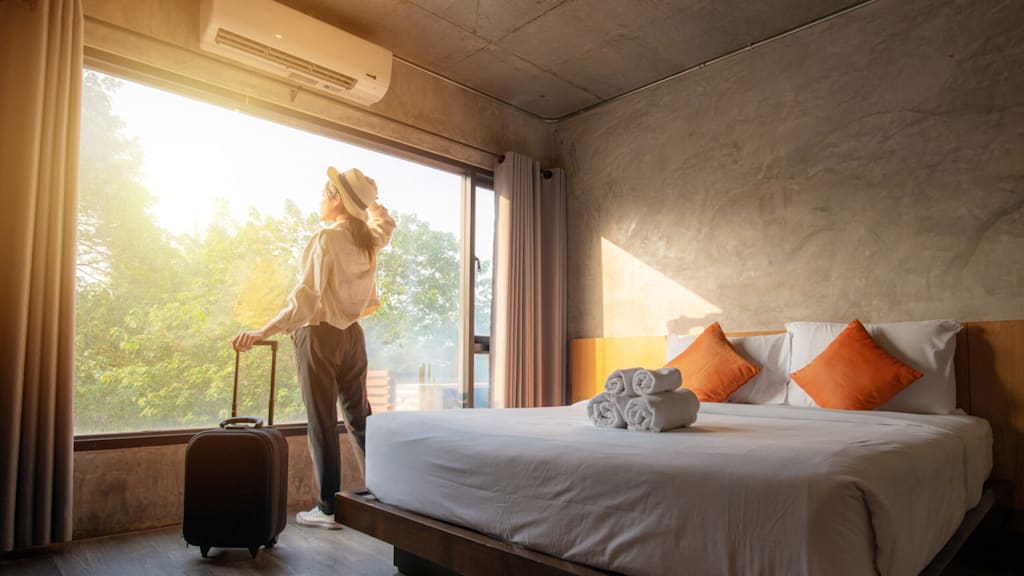
The definition of home continues to shift considerably over the past decade. Buyers and tenants no longer measure a property solely by square footage or location coordinates; they weigh it against how much life it lets them live within its gates. When residential buildings look like hotels, they go from being a luxury for a few to something that many people want. This change is a sign of profound economic and psychological trends, such as more people becoming aware of wellness as a daily practice and how working from home is changing the way people use their homes. If you work in real estate, hospitality, wellness, or city planning, you need to know why addresses that focus on leisure are important in a market that values lifestyle fluency.
The Psychology Behind Vacation-Inspired Home Environments
Individuals respond measurably to environments that mimic natural, restorative settings. Studies on biophilic design show that being around water, plants, and natural light can lower cortisol levels and boost cognitive performance by as much as 15%. This science directly backs projects that make everyday life better by adding gardens, pools, and shaded pavilions. The mental health benefits get more profound over time, which helps people sleep better and be happier with their homes.
Why Amenity-Rich Addresses Redefine Everyday Routines
Well-planned residential projects make it easier to balance work, rest, and play. People don't have to drive across town to swim or play tennis anymore. They can do these things right outside their front door. The Florence Residences are an example of how clustered amenities like lap pools and themed gardens can turn what used to be weekend outings into weekday options. Residents often get back an hour or more a day, which changes how families and professionals spend their evenings.
The Business Case for Leisure-Forward Residential Investments
Developers, landlords, and hospitality businesses can all see actual business benefits from resort-style properties. According to research, the wellness real estate market is worth more than $438 billion around the world and is growing faster than other types of residential real estate. Tenants stay longer in properties with good amenities, have shorter vacancy periods, and get more referrals from current residents. Fitness trainers, wellness therapists, and specialty grocery stores that are close to these new homes also benefit from the health-conscious customers that these addresses bring in.
Wellness Infrastructure as a Daily Return on Investment
Residents can use gyms, lap pools, tennis courts, and jogging tracks as silent financial assets. In a big city, the average monthly cost of a private gym and recreational club membership is between $150 and $400 per person. When these facilities sit within the property, the annual savings for a family of four can exceed several thousand dollars. Those interested in exploring how these features translate into long-term value can review insights on condo living and its lifestyle advantages.
Rethinking Community Through Shared Leisure Spaces
Shared amenities quietly solve one of urban living's persistent problems: social isolation. Loneliness studies found that a considerable number of adults report feelings of disconnection, with city dwellers scoring highest. Pools, barbecue pits, and clubhouses create low-pressure settings where neighbors become familiar faces and then friends. For operators managing co-living portfolios or family-focused estates, this built-in community layer reduces churn and raises the perceived value of the address.
Closing Perspective
Resort-style living is not about indulgence; it is about designing daily life with intention. When a home has recovery, recreation, and connection inside its walls, its residents get back hours of time, save money, and secure health benefits that last for decades. The lesson for businesses in real estate, hospitality, and wellness is clear: buyers now look at more than just the walls of a property; they also look at how it will improve their quality of life. Professionals who build, market, or service these communities should pay close attention to how amenities affect how residents act and how much money they make. A leisure-forward address is now one of the best ways to predict a property's long-term performance and resident satisfaction.
About the Creator
Enjoyed the story? Support the Creator.
Subscribe for free to receive all their stories in your feed.
Comments
There are no comments for this story
Be the first to respond and start the conversation.