
Crypto Wallet Development: Building Secure Digital Asset Solutions
How Crypto Wallets Are Powering the Blockchain Revolution

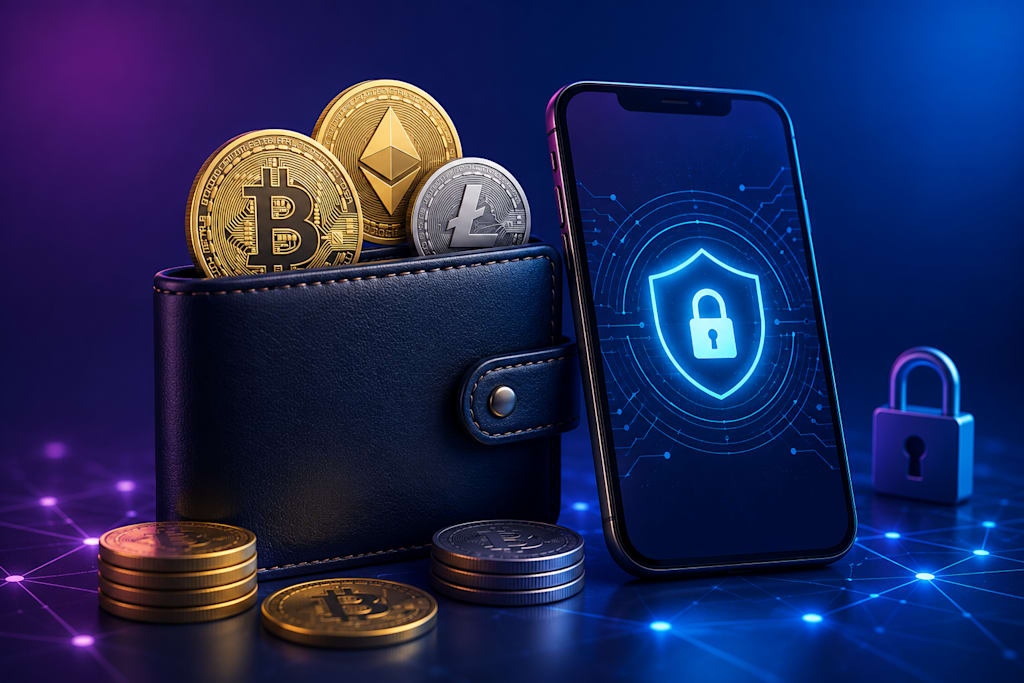
The cryptocurrency market has experienced massive growth over the last decade. From Bitcoin and Ethereum to NFTs and decentralized finance platforms, digital assets are now reshaping the global financial ecosystem. As the adoption of cryptocurrencies continues to rise, the demand for secure and user-friendly crypto wallets is increasing rapidly.
Crypto wallets play a crucial role in managing digital assets safely. They allow users to store, send, receive, and monitor cryptocurrencies without relying on traditional banking systems. Businesses, startups, and entrepreneurs are now investing heavily in wallet applications to provide secure financial solutions for modern users.
The growing popularity of blockchain technology has also encouraged companies to develop advanced wallet systems with features such as multi-currency support, QR code payments, private key management, and biometric authentication. Today, crypto wallets are not only used for transactions but also for staking, NFT storage, and decentralized finance activities.
What is Crypto Wallet Development?
Crypto wallet development refers to the process of creating digital wallet applications that securely manage cryptocurrencies and blockchain-based assets. These wallets can be mobile apps, desktop software, web platforms, or hardware-integrated solutions.
The primary purpose of a crypto wallet is to enable users to access and control their digital assets securely. Unlike traditional wallets, crypto wallets do not physically store currencies. Instead, they store private and public keys that provide access to blockchain networks.
Modern wallets are designed with advanced security layers and user-friendly interfaces to ensure smooth and safe transactions. Businesses entering the blockchain space often work with a professional Crypto Wallet Development Company to build secure and scalable wallet solutions for their customers.
Types of Crypto Wallets
Different types of crypto wallets are available in the market, each offering unique functionality and security levels.
1. Hot Wallets
Hot wallets are connected to the internet and provide quick access to cryptocurrencies. These wallets are commonly used for daily transactions because of their convenience and accessibility.
Examples include:
- Mobile wallets
- Web wallets
- Desktop wallets
Although hot wallets offer ease of use, they can be more vulnerable to cyber threats if proper security measures are not implemented.
2. Cold Wallets
Cold wallets operate offline and provide higher security for digital assets. Since they are not connected to the internet, they reduce the risk of hacking and unauthorized access.
Common cold wallet options include:
Hardware wallets
These wallets are preferred for long-term cryptocurrency storage.
3. Custodial Wallets
Custodial wallets are managed by third-party platforms or exchanges. Users rely on service providers to secure their private keys and manage wallet access.
These wallets are suitable for beginners because they simplify the user experience.
4. Non-Custodial Wallets
Non-custodial wallets give users complete control over their private keys and digital assets. This type of wallet enhances privacy and decentralization.
Most blockchain enthusiasts prefer non-custodial wallets for improved ownership and security.
Essential Features of a Crypto Wallet
A successful crypto wallet requires advanced features that improve security, usability, and transaction efficiency.
Multi-Currency Support
Users often invest in multiple cryptocurrencies. Supporting various digital assets within a single wallet improves convenience and user engagement.
Secure Authentication
Security is one of the most critical aspects of Crypto Exchange Development. Features such as biometric login, two-factor authentication, and PIN verification help protect user accounts.
QR Code Scanner
QR code integration simplifies transactions by enabling users to scan wallet addresses instead of entering them manually.
Real-Time Price Tracking
Wallets with live cryptocurrency price updates allow users to monitor market changes and make informed investment decisions.
Push Notifications
Real-time alerts notify users about transactions, security updates, and market activity.
Backup and Recovery
Wallet recovery options help users regain access to their funds if devices are lost or damaged.
Importance of Security in Crypto Wallets
Security remains the biggest concern in the cryptocurrency industry. Since blockchain transactions are irreversible, strong security measures are essential for protecting digital assets.
Developers implement several security technologies to reduce risks and prevent unauthorized access.
Encryption Technology
Advanced encryption secures private keys and transaction data from cyber threats.
Multi-Signature Authentication
Multi-signature wallets require multiple approvals before processing transactions, improving security.
Anti-Phishing Protection
Wallet applications use anti-phishing systems to detect suspicious links and malicious activities.
Secure APIs
Secure API integration ensures safe communication between wallet applications and blockchain networks.
Benefits of Crypto Wallet Development
Crypto wallet solutions provide multiple advantages for businesses and users in the blockchain ecosystem.
Increased Financial Accessibility
Users can access digital assets anytime without relying on traditional financial institutions.
Faster Transactions
Cryptocurrency transfers are processed quickly across global networks, reducing delays in payments.
Decentralized Control
Users maintain ownership and control of their digital assets without centralized restrictions.
Revenue Opportunities
Businesses can generate revenue through transaction fees, premium features, staking services, and exchange integrations.
Global Reach
Crypto wallets support international transactions without currency conversion limitations.
Emerging Trends in Crypto Wallet Development
The crypto industry continues evolving with innovative technologies and changing user expectations.
AI-Powered Wallets
Artificial intelligence is improving fraud detection, transaction analysis, and user recommendations.
NFT Wallet Integration
Many wallets now support NFT storage and marketplace connectivity.
DeFi Compatibility
Decentralized finance integration allows users to stake tokens, lend assets, and access blockchain-based financial services.
Cross-Chain Functionality
Cross-chain wallets enable transactions between multiple blockchain networks.
Biometric Security
Fingerprint and facial recognition technologies are becoming standard security features in modern wallets.
Challenges in Crypto Wallet Development
Developing a secure and scalable wallet application involves several technical and operational challenges.
Regulatory Compliance
Cryptocurrency regulations vary across countries, making compliance a complex process for businesses.
Security Risks
Cyberattacks and data breaches remain ongoing threats in the blockchain industry.
Scalability Issues
Wallets must handle increasing transaction volumes without compromising performance.
User Experience
Balancing advanced functionality with a simple interface is essential for user adoption.
Future of Crypto Wallets
The future of crypto wallets looks highly promising as blockchain adoption continues expanding worldwide. Governments, enterprises, and financial institutions are increasingly exploring digital currencies and decentralized systems.
Future wallet applications are expected to include:
- AI-driven financial management
- Advanced biometric verification
- Central bank digital currency support
- Metaverse asset integration
- Enhanced decentralized identity systems
As technology evolves, crypto wallets will become more secure, accessible, and feature-rich for users worldwide.
Conclusion
Crypto wallets are becoming an essential part of the modern digital economy. With the rapid growth of cryptocurrencies, businesses are investing in secure and scalable wallet applications to meet increasing user demand.
From secure authentication and multi-currency support to AI integration and DeFi compatibility, modern crypto wallets are transforming the way people manage digital assets. Businesses entering the blockchain industry should focus on security, user experience, and scalability to build successful wallet platforms.
As blockchain technology continues to evolve, crypto wallet development will remain a key driver of innovation in the global financial ecosystem.
About the Creator
Aarti Jangid
Hi, I’m Aarti Jangid. I write blogs about AI development, real estate app development, and eCommerce app development. Through my articles on Vocal Media, I share insights about modern technologies and digital solutions.
Enjoyed the story? Support the Creator.
Subscribe for free to receive all their stories in your feed.
Comments
There are no comments for this story
Be the first to respond and start the conversation.