
A Better Way to Use Empty Walls in Everyday Spaces
A Better Way to Use Empty Walls in Everyday Spaces
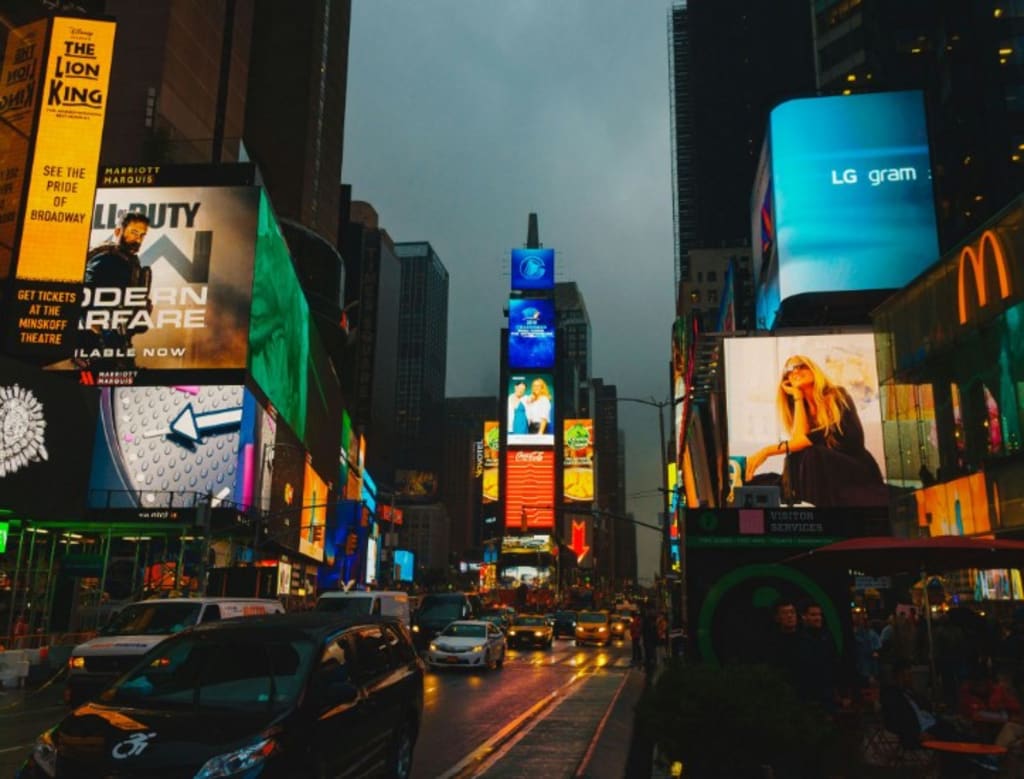
There’s a small detail I started noticing in different business environments, and once it stood out, it was hard to ignore. Some places simply feel more current, more connected, even when nothing major seems different at first glance.
In a few of those spaces, I noticed LED advertising screens in Sydney being used in a way that didn’t feel forced. They weren’t loud or distracting. Instead, they quietly improved how information was shared, making the space feel more active and up to date.
When Signs Stop Reflecting What’s Happening
Printed signs are still common, and they can work well for simple messaging. But they have a habit of staying longer than they should. A promotion ends, an event passes, yet the sign remains in place.
It’s not always something people consciously notice, but it creates a subtle disconnect. The space no longer reflects what is actually happening in real time.
Over time, people begin to ignore those signs altogether. They become part of the background rather than something useful.
A Small Change That Makes Information Feel Current
What stood out about digital displays wasn’t just how they looked, but how easily they adapted. Messages could change without replacing anything physically. That alone made a noticeable difference.
Instead of feeling static, the environment felt responsive. Information stayed relevant, and nothing looked outdated or forgotten.
It’s a simple shift, but it changes how people interact with a space. When information feels current, everything else feels more organised.
Different Spaces, Different Needs
Not every display works the same way, and that’s part of what makes them effective. Some are designed to blend into indoor environments, where clarity matters more than brightness. Others are built for outdoor visibility, where lighting conditions can change throughout the day.
There are also options that allow visibility through the screen itself, adding movement without blocking what’s behind it.
This variety allows each setup to match the space it’s used in. Instead of forcing one solution everywhere, the display becomes part of the environment.
The Importance of Where It Goes
One thing that becomes clear quickly is that placement matters more than the screen itself.
In one space, a display near the entrance helped guide visitors without needing extra signage. In another, it supported a product by showing how it worked. These were simple uses, but they made the experience smoother.
At the same time, poorly placed screens tend to disappear. If they’re too high, too bright, or slightly out of view, people simply don’t engage with them.
The difference comes from how naturally the screen fits into the flow of the space.
When Everything Feels Like It Works Together
The most effective setups don’t draw attention to themselves. Instead, they make everything else easier to understand.
People don’t stop and think about the display. They just notice that information is clear, directions make sense, and nothing feels out of place.
That kind of subtle improvement can change how a space is experienced without being obvious about it.
Using Space With More Intention
After noticing these differences, it feels less like a technology upgrade and more like a shift in mindset.
Empty walls don’t need to stay empty, but they also don’t need to be filled without purpose. When something useful is added in the right way, it changes how the entire space feels.
In the end, it’s not really about the screen itself. It’s about using space more thoughtfully — making it easier to communicate, easier to navigate, and easier to keep everything feeling current.
About the Creator
Enjoyed the story? Support the Creator.
Subscribe for free to receive all their stories in your feed.
Comments
There are no comments for this story
Be the first to respond and start the conversation.