
A Beginner’s Guide to Launching Your First Real Estate App
Step-by-Step Guide to Building and Launching a Successful Real Estate Mobile App for Beginners

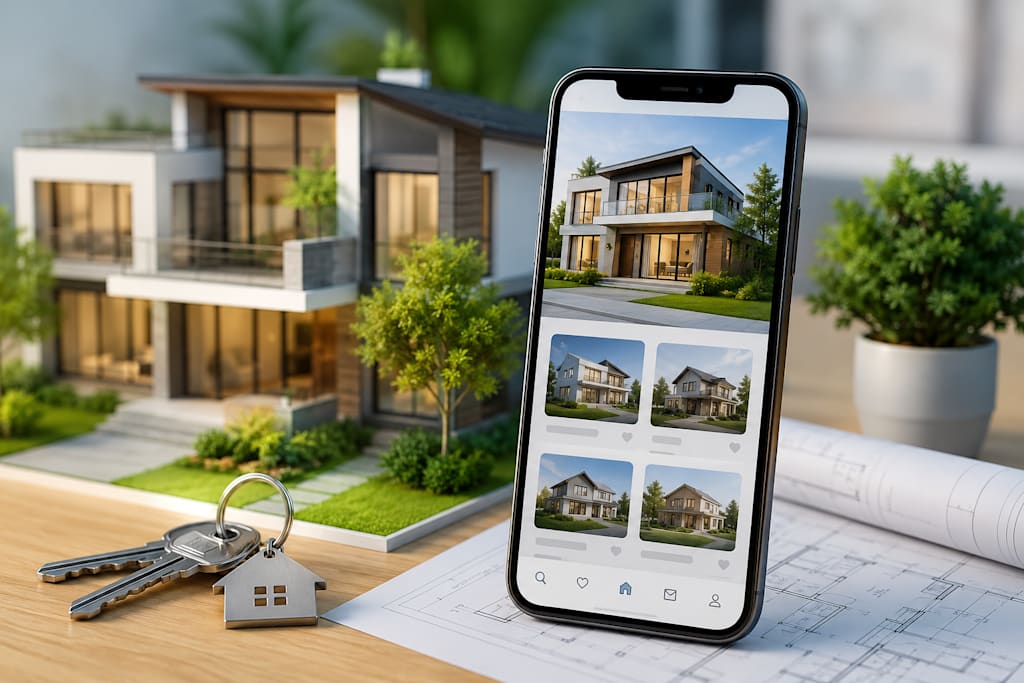
The real estate industry has rapidly evolved with the rise of digital technology and mobile applications. Today, buyers, sellers, tenants, and property investors prefer browsing properties online instead of visiting multiple locations physically. From virtual property tours to instant communication with agents, real estate apps have transformed how the industry operates. If you are planning to launch your first real estate app, understanding the process, features, and market expectations is essential for success.
This beginner’s guide will help you understand everything you need to know before entering the competitive real estate app market.
Understanding the Real Estate App Market
The demand for real estate applications continues to grow as more users rely on smartphones for property searches. Apps like Zillow, Realtor.com, and Redfin have changed customer expectations by offering seamless property browsing, map integration, and instant property updates.
Launching a real estate app is not only about listing properties. It’s about creating a user-friendly platform that simplifies buying, renting, or selling homes. Before starting development, it is important to identify your target audience and business model.
You should decide whether your app will focus on:
- Property buying and selling
- Rental property listings
- Commercial real estate
- Vacation rentals
- Real estate investment opportunities
- Property management services
Having a clear niche will help you design the right features and marketing strategy.
Define Your App Goals and Features
One of the most important steps in launching a real estate app is defining its purpose and core functionality. Your app should solve a specific problem for users while offering a smooth digital experience.
Some must-have features for a beginner real estate app include:
User Registration and Profiles
Allow users to create accounts using email, phone numbers, or social media logins. Personalized profiles help users save searches, favorite listings, and communicate with agents.
Property Listings
The property listing section is the heart of your app. Each property should include:
- High-quality images
- Property descriptions
- Pricing information
- Location details
- Amenities
- Contact information
Detailed listings improve user engagement and help users make informed decisions.
Search and Filter Options
Users should be able to search properties based on:
- Price range
- Property type
- Number of bedrooms
- Location
- Amenities
Advanced filtering improves user experience and saves time.
Interactive Maps
Map integration allows users to view nearby schools, hospitals, restaurants, and transportation facilities. GPS-enabled maps also help users explore neighborhoods effectively.
In-App Chat and Communication
Direct communication between buyers and sellers builds trust and speeds up transactions. Adding chat or video call functionality can improve customer satisfaction.
Virtual Tours
Virtual tours and 360-degree property views have become increasingly popular. They allow users to explore properties remotely before scheduling physical visits.
Push Notifications
Push notifications help users stay updated about:
- New property listings
- Price changes
- Appointment reminders
- Promotional offers
Timely alerts improve user retention and engagement.
Choose the Right Platform
When building your first real estate app, choosing the right platform is crucial. You can launch your app on:
- Android
- iOS
- Both platforms
- Web application
If your budget is limited, you may start with one platform and expand later. However, cross-platform development is becoming popular because it reduces development costs while reaching a larger audience.
You should also decide whether you want:
- Native app development
- Hybrid app development
- Progressive web app solutions
Each option has different costs, performance levels, and maintenance requirements.
Focus on User Experience and Design
A successful real estate app must have a clean and intuitive design. Since users browse multiple listings daily, your app should provide easy navigation and quick loading times.
Key design principles include:
- Simple interface
- Fast property search
- Mobile responsiveness
- High-quality visuals
- Easy navigation menus
An attractive and user-friendly interface encourages users to spend more time on your platform.
Build a Strong Backend Infrastructure
The backend is responsible for managing app performance, databases, user information, and property listings. A scalable backend ensures your app performs smoothly even as traffic increases.
Your backend infrastructure should support:
- Cloud storage
- Data security
- Fast loading speeds
- Real-time updates
- API integrations
Reliable backend architecture is essential for long-term app stability.
Integrate Advanced Technologies
Modern real estate apps often use advanced technologies to improve user experiences and operational efficiency.
Artificial Intelligence
AI-powered recommendations can suggest properties based on user preferences and browsing behavior.
Augmented Reality
AR technology allows users to visualize property interiors and furniture placements in real time.
Big Data Analytics
Analytics tools help track user behavior, popular listings, and market trends.
Blockchain Technology
Blockchain improves transaction security and transparency in property deals.
Implementing these technologies can give your app a competitive advantage in the market.
Understand the Development Cost
The cost of developing a real estate app depends on multiple factors, including:
- App complexity
- Features and functionality
- Platform selection
- Design quality
- Development location
- Third-party integrations
A simple app with basic features may cost significantly less than an advanced app with AI, AR, and virtual tours. Maintenance and updates should also be included in your budget planning.
Working with an experienced Real Estate App Development Company can help you estimate costs accurately and ensure high-quality app development.
Ensure Legal and Data Security Compliance
Real estate apps handle sensitive user information, including personal details, payment data, and property records. Therefore, security should be a top priority.
Your app should include:
- Secure user authentication
- Data encryption
- GDPR compliance
- Privacy policies
- Secure payment gateways
Legal compliance builds trust and protects your business from potential legal issues.
Test Your App Thoroughly
Before launching your app publicly, conduct detailed testing to ensure smooth functionality.
Testing should include:
- Performance testing
- Security testing
- UI/UX testing
- Device compatibility testing
- Bug fixing
A poorly functioning app can lead to negative reviews and lower user retention.
Create a Marketing Strategy
Even the best app needs strong marketing to attract users. Your marketing strategy should begin before the official launch.
Popular marketing methods include:
Social Media Marketing
Promote your app through Facebook, Instagram, LinkedIn, and Twitter.
Search Engine Optimization
Optimize your website and app listings for better visibility on search engines and app stores.
Influencer Marketing
Collaborate with real estate influencers and property experts to increase brand awareness.
Paid Advertising
Run targeted ads on Google and social media platforms to attract potential users.
Content Marketing
Publish blogs, property guides, and market insights to establish authority in the real estate industry.
A strong marketing plan helps generate downloads and user engagement quickly.
Launch and Gather User Feedback
Once your app is ready, launch it on app stores and start gathering user feedback. Early reviews help identify issues and improve app functionality.
Monitor important metrics such as:
- User retention rate
- Daily active users
- App downloads
- Session duration
- Customer feedback
Continuous improvement is essential for long-term success.
Maintain and Update Your App
Launching your app is only the beginning. Regular updates help maintain performance and user satisfaction.
Ongoing maintenance may include:
- Bug fixes
- Security updates
- New feature additions
- UI improvements
- Server optimization
Keeping your app updated ensures it remains competitive in the evolving real estate market.
Final Thoughts
Launching your first real estate app may seem challenging, but proper planning and execution can simplify the process. Start by understanding your audience, defining your app goals, and selecting the right technology stack. Focus on user-friendly design, essential features, and strong backend performance to create a reliable platform.
As the digital real estate industry continues to grow, investing in a modern and scalable app can help you build a successful online property business. With the right strategy, your real estate app can attract users, improve customer engagement, and create long-term business opportunities in the competitive property market.
About the Creator
Aarti Jangid
Hi, I’m Aarti Jangid. I write blogs about AI development, real estate app development, and eCommerce app development. Through my articles on Vocal Media, I share insights about modern technologies and digital solutions.
Enjoyed the story? Support the Creator.
Subscribe for free to receive all their stories in your feed.
Comments
There are no comments for this story
Be the first to respond and start the conversation.