
Why Motorized Drive Casters Are Revolutionizing Mobility
Enhancing Industrial Mobility, Safety, and Efficiency with Powered Solutions

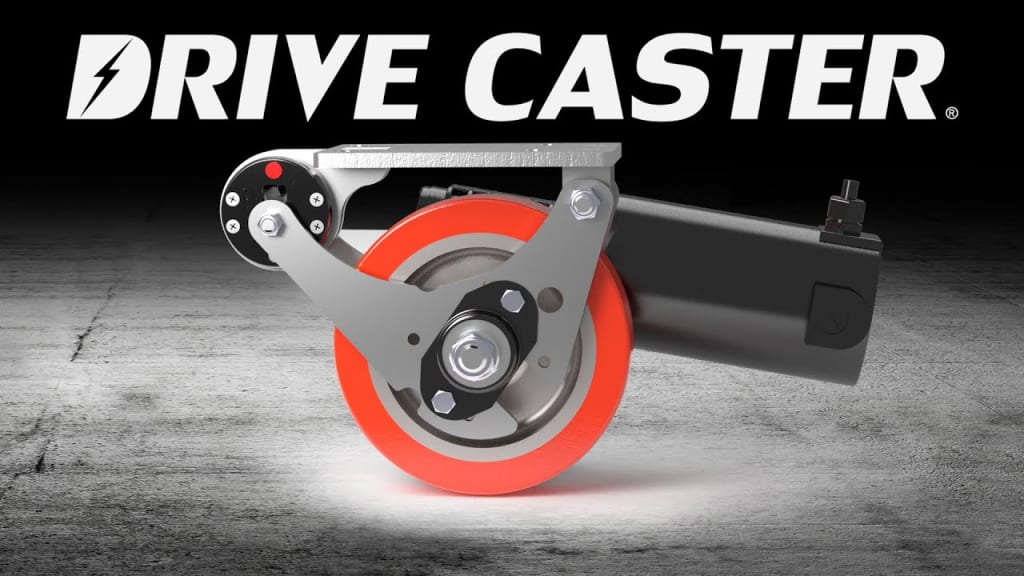
In today’s fast-paced industrial environments, efficiency and safety are paramount. Enter motorized drive casters—a powerful solution transforming how heavy loads are moved across manufacturing floors, warehouses, hospitals, and more. These advanced caster systems combine smart mobility with mechanical muscle, enabling seamless transport with minimal manual effort.
Whether you're managing logistics, production, or facility operations, this article will help you understand how motorized drive casters work, their benefits, and why they represent the next evolution in industrial mobility. We'll also compare them with other popular solutions like motorized caster wheels and battery powered casters to guide your purchasing decisions.
What Are Motorized Drive Casters?
Motorized drive casters are casters equipped with integrated electric motors and control systems, allowing them to propel carts or equipment autonomously or with operator assistance. Unlike traditional casters, which require manual pushing, motorized versions offer powered mobility—reducing physical strain and enhancing precision.
These casters are often paired with onboard batteries, making them part of the powered caster wheels category, and can include features like speed control, directional steering, and braking systems.
How Motorized Drive Casters Work
Motorized drive casters typically include:
- Electric Motor: Provides drive power.
- Control System: Enables steering, speed adjustment, and braking.
- Battery Pack: Powers the unit, often rechargeable.
- Mounting Plate: Attaches to the underside of carts or machinery.
Some models can be integrated with AGVs (Automated Guided Vehicles) or IoT-based platforms, enabling autonomous movement in smart factory settings.
Key Benefits of Motorized Drive Casters
1. Improved Safety and Ergonomics
Overexertion injuries remain a major concern in industrial environments. According to the U.S. Bureau of Labor Statistics, musculoskeletal disorders accounted for 21% of all workplace injuries in 2020.
By removing the need for workers to push or pull heavy loads, motorized drive casters help:
- Reduce back and joint strain
- Decrease fatigue-related errors
- Lower injury-related downtime
2. Increased Operational Efficiency
With faster transport speeds and improved load control, motorized caster wheels increase material handling efficiency.
Key performance benefits include:
- Faster delivery of parts or products across facilities
- Consistent transport speeds regardless of operator strength
- Smoother maneuvering in tight spaces or around obstacles
This is especially valuable in large-scale manufacturing plants or busy distribution centers where time is critical.
3. Flexibility and Versatility
Powered casters can be integrated into a wide range of equipment, from carts and dollies to conveyor systems and mobile workstations. Many models can be retrofitted onto existing infrastructure, avoiding costly replacements.
Use cases include:
- Cleanroom transport in pharmaceuticals or electronics
- Quiet operation in hospitals and research labs
- Heavy machinery handling in automotive manufacturing
4. Autonomous and Semi-Autonomous Capabilities
Some battery powered casters offer programmable or remote-controlled movement, reducing the need for operator input. Combined with sensors and smart controls, they support:
- Precise route programming
- Obstacle detection and avoidance
- Integration with warehouse automation systems
This positions motorized casters as key enablers of Industry 4.0 and smart factory transformation.
5. Energy Efficiency and Sustainability
Modern motorized drive casters often use energy-efficient motors and lithium-ion battery technology.
Benefits include:
- Longer run times between charges
- Reduced energy consumption
- Lower long-term environmental impact
Many manufacturers also design systems with regenerative braking or energy recovery systems to further enhance sustainability.
Applications Across Industries
Industry Application
Manufacturing Transporting tools, dies, and materials
Healthcare Moving mobile medical units or supply carts
Aerospace Handling sensitive, high-value components
Warehousing Streamlining product distribution
Automotive Moving engines, chassis, and components
Each application benefits from improved control, reduced labor, and safer material handling—core strengths of powered caster wheels.
Considerations Before Choosing Motorized Drive Casters
When evaluating options, consider the following:
- Load Capacity: Match the caster's rated capacity to your equipment weight.
- Battery Life: Longer operations may require higher-capacity battery systems.
- Floor Surface: Choose wheel material suitable for your environment (e.g., anti-static, non-marking).
- Control Type: Manual, joystick, or programmable options are available.
- Integration Requirements: Ensure compatibility with existing systems or automation platforms.
FAQs: Motorized Drive Casters
What’s the difference between motorized caster wheels and motorized drive casters?
Motorized drive casters are a type of motorized caster wheel with integrated propulsion and steering mechanisms. All motorized drive casters are motorized caster wheels, but not all motorized caster wheels include drive capabilities.
Are battery powered casters difficult to maintain?
No, most battery powered casters are designed for minimal maintenance. Regular checks on battery life and wheel condition are typically sufficient for optimal operation.
Can I retrofit powered casters onto existing carts?
Yes, many powered casters are designed for easy retrofitting. Just ensure your cart's weight and dimensions align with the caster's specifications.
Conclusion
Motorized drive casters are redefining how industries handle material transport. With built-in power, safety features, and flexible integration, they offer a compelling solution for organizations seeking to enhance mobility and productivity. From reducing labor strain to supporting smart automation, these casters are leading the charge into the future of industrial operations.
About the Creator
Jhon David
Writer in manufacturing, I deliver expert material handling insights to support engineers, managers, and manufacturers solve challenges.
Enjoyed the story? Support the Creator.
Subscribe for free to receive all their stories in your feed.
Comments
There are no comments for this story
Be the first to respond and start the conversation.