
Why Digital Birthday Invitations Are Changing the Way We Plan Parties
Digital Birthday Invitations

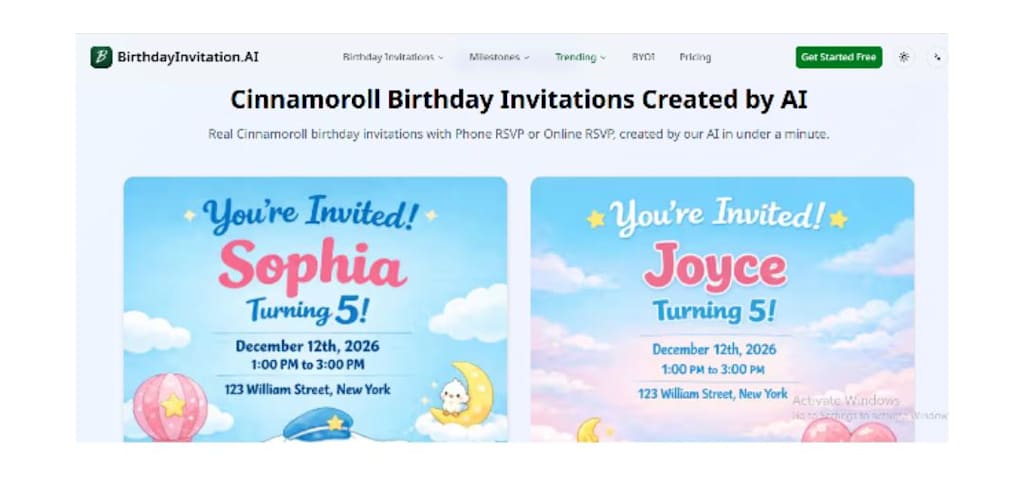
Planning a birthday party—especially for children—often begins with good intentions and a long checklist. There are themes to choose, guests to invite, and countless small details to manage along the way. Among these tasks, creating and sending invitations might seem minor, yet it often sets the tone for the entire event.
In recent years, digital tools have started to reshape how invitations are handled. Instead of being a standalone task, invitations have become part of a broader, more connected planning process. This shift reflects a growing preference for simplicity, clarity, and flexibility in everyday event planning.
Moving Beyond Traditional Invitations
For a long time, birthday invitations followed a familiar pattern: printed cards or simple digital messages with basic event details. While these methods still work, they can become limiting when plans evolve or when guest coordination becomes more complex.
Digital invitation platforms offer a different approach. Rather than sending static information, they create a shared space where updates, responses, and details can live together. This reduces the need for repeated follow-ups and helps everyone stay on the same page.
It’s less about replacing tradition and more about adapting it to fit modern communication habits.
Making Design More Accessible
One of the noticeable changes in digital invitations is how design has become more approachable. In the past, creating something visually appealing often required time, effort, or outside help. Now, many tools simplify this process by offering structured templates that can be adjusted with minimal effort.
After entering basic information—such as the date, time, and location—users can explore different styles that match the mood of the celebration. Some prefer soft, understated designs, while others lean toward colorful and energetic layouts.
The key advantage is that these designs are already balanced and readable. Instead of worrying about spacing or alignment, users can focus on small personal touches that make the invitation feel unique.
Keeping Guest Lists Organized
Managing guest responses is often one of the more unpredictable parts of planning a party. Replies can arrive through different channels, making it difficult to keep track of who is attending.
Digital invitations address this by including built-in RSVP features. Guests can respond directly through the invitation, and their answers are collected automatically. This creates a clear and organized list that can be updated in real time.
In addition to attendance, some systems allow hosts to gather extra details, such as dietary needs or the number of accompanying guests. Having this information early can help avoid confusion later and make preparation more efficient.
The Subtle Impact of Themes
Themes play a quiet but important role in shaping expectations. A well-designed invitation gives guests a sense of what the celebration will feel like, whether it’s relaxed and simple or lively and imaginative.
Digital platforms typically offer a range of themes that can be adapted to different preferences. These might include:
- Soft, pastel-inspired designs for a calm and gentle atmosphere
- Bright, bold layouts that suggest energy and activity
- Story-inspired visuals that encourage creativity and imagination
- Nature-based designs with animals or outdoor elements
- Minimal styles that focus on clarity and simplicity
These options allow invitations to reflect the personality of the celebration without requiring extensive effort.
Rethinking How Gifts Are Chosen
Gift-giving is a meaningful part of birthday celebrations, but it can sometimes involve uncertainty. Guests may want to choose something thoughtful but aren’t always sure what would be most appreciated.
Some digital invitation tools include a wishlist feature that offers gentle guidance. Hosts can suggest a few ideas, giving guests a clearer sense of what might be useful or enjoyable.
This approach doesn’t remove the personal aspect of gift-giving. Instead, it helps reduce guesswork and the chances of duplicate presents. For many, it simply makes the process more straightforward.
Bringing Everything Together
What makes these tools particularly useful is their ability to combine multiple aspects of planning into one place. Invitations, guest responses, and additional details are all connected, reducing the need to manage separate lists or conversations.
This integrated approach doesn’t necessarily make parties more elaborate—it makes them easier to organize. By simplifying small but repetitive tasks, it allows hosts to focus on the parts of planning that matter most to them.
A Shift Toward Simpler Planning
At its core, a birthday party is about celebrating a moment and sharing it with others. While planning will always involve some coordination, it doesn’t need to feel overwhelming.
Digital invitation tools represent a small but meaningful shift in how people approach these events. They offer a way to stay organized without overcomplicating the process, making it easier to balance preparation with enjoyment.
As these tools continue to evolve, they reflect a broader trend: finding practical ways to make everyday experiences smoother, so the focus can remain on connection, celebration, and time spent together.
About the Creator
Abbasi Publisher
I’m a dedicated writer crafting clear, original, and value-driven content on business, digital media, and real-world topics. I focus on research, authenticity, and impact through words
Enjoyed the story? Support the Creator.
Subscribe for free to receive all their stories in your feed.
Comments
There are no comments for this story
Be the first to respond and start the conversation.