
Why Data And Compassion Are The Key Topics At Global Health Conference
Explore how data and compassion shape care. Discover trends discussed at a healthcare summit shaping the future of patient-centered healthcare.


Healthcare is changing quietly, but in ways that are deeply felt. Conversations at every health conference now circle around data, artificial intelligence, and predictive systems that seem almost futuristic. But pause for a moment and think about this: when someone walks into a hospital feeling anxious or uncertain, is it data they are really looking for, or is it reassurance?
That question sits at the heart of where healthcare is heading.
There is no denying that data has reshaped decision-making. It has brought speed, precision, and clarity into a space that once relied heavily on instinct. At the same time, something equally important continues to hold its ground. People still want to feel understood. They still want someone to listen.
The future, then, is not about choosing between data and compassion. It is about bringing both together in a way that feels natural, thoughtful, and genuinely human.
What Is Data-Driven Healthcare? In The Context Of A Healthcare Summit
Let’s simplify this for a moment. Data-driven healthcare is essentially about using information to make better decisions. This includes patient records, health trends, predictive models, and digital systems that help identify risks earlier.
It sounds technical, but the impact is very real. Research shows how advanced analytics can improve early diagnosis and support more precise treatment planning. In simple terms, data helps connect the dots faster. It can pick up patterns across thousands of cases and bring those insights into a single patient’s care journey.
Now here’s something worth thinking about: even if data can predict what might happen next, can it explain that possibility in a way that feels comforting? That is where things begin to feel incomplete. While data can guide a decision, it cannot sit beside someone and ease their worries.
Why Compassion Still Matters
Imagine being in a situation where health concerns feel overwhelming. There is uncertainty, maybe even fear, and a long list of questions that do not have immediate answers.
In that moment, clarity matters. But so does the tone. So does patience. So does the feeling that someone is truly paying attention.
Compassion shows up in these small but powerful ways. It is not about grand gestures. It is about being present, listening without rushing, and responding with care.
This is not only about emotional comfort. It has measurable effects. Research published in The American Journal of Medicine found that compassionate care can improve recovery, strengthen adherence to treatment, and even lower healthcare costs.
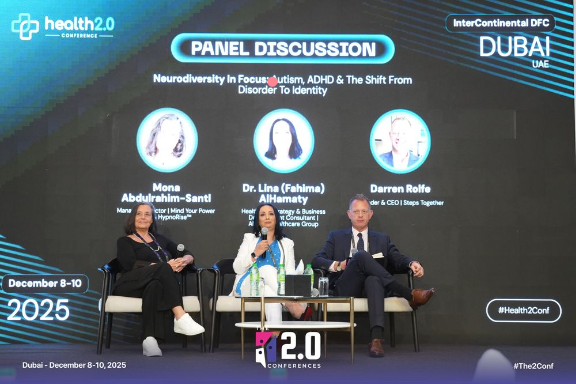
Interestingly, even discussions at a global healthcare summit continue to highlight that empathy remains central, no matter how advanced systems become.
Because here is the truth most people recognize instantly. Data may inform what needs to be done. Compassion influences whether someone feels ready to move forward.
Where Data And Compassion Meet
This is where things start to come together. Think of data as a guide. It points toward possibilities, risks, and next steps. Now think of compassion as the bridge that connects those insights to a real person’s experience.
For example, a system may identify that a patient is likely to miss follow-up appointments. That insight is useful. But it does not explain why. Is it confusing? Is it hesitation? Is it something personal that has not been expressed yet?
A compassionate conversation may uncover that answer. And once that happens, the data becomes far more meaningful. Studies show that combining clinical insight with an understanding of patient needs leads to better outcomes, safer care, and stronger satisfaction.
Now here’s a question that often comes up in quieter moments: if healthcare becomes faster and more efficient, but less personal, does it truly feel like progress? For most people, the answer leans toward no. Because care is not only about outcomes, it is also about how that journey feels along the way.
How Does Compassion Strengthen Data-Driven Care?
This is where everything starts to align. Compassion does not replace data. It gives it context. It allows information to be delivered in a way that feels understandable. It helps translate complexity into clarity. It turns a structured plan into something that feels manageable.
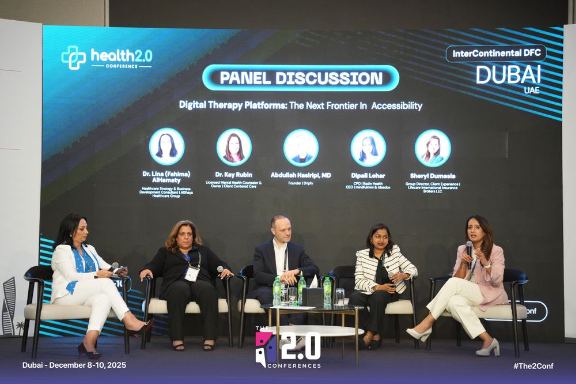
At any meaningful healthcare event, this balance is becoming more visible. There is a growing understanding that technology works best when it supports human connection rather than replaces it.
Think about a conversation where a diagnosis is explained. Data might outline the condition, the risks, and the next steps. Compassion shapes how that conversation unfolds. It determines whether the person listening feels overwhelmed or reassured.
And naturally, another question follows: can advanced systems and genuine human care really coexist without conflict? The answer is slowly becoming clearer. They can, and when they do, the experience improves in ways that are both measurable and deeply personal.
Quiet Shift That Is Already Happening
If you look closely, this shift is already underway. Healthcare spaces are becoming less intimidating. Communication is becoming clearer. Digital systems are being designed to reduce confusion rather than add to it.
There is also a noticeable change in how care is taught. Communication, empathy, and emotional awareness are gaining more attention alongside clinical knowledge. Even efficiency is being redefined. Instead of taking time away from interaction, it can create more space for it. And that changes how care feels at every level.
A Future Taking Shape At Every Healthcare Event
The future of healthcare is not shaped by data alone, nor sustained by compassion alone. Conversations around the upcoming healthcare conference in Singapore continue to reflect this growing understanding. The most meaningful progress lies in bringing both elements together in a way that feels natural and thoughtful. Data can highlight what is happening. Compassion helps make sense of it.
When both come together, healthcare begins to feel less mechanical and more human. It becomes something that not only treats conditions but also acknowledges the experience behind them. And perhaps this is worth reflecting on: how often does healthcare feel truly human in today’s world? Exploring discussions and insights from spaces like the Health 2.0 Conference may offer a closer look at how this balance is shaping the future.
About the Creator
Health 2.0 Conference
Health 2.0 Conference provides a unique opportunity for the industry’s change makers to meet, network, and collaborate while brainstorming on the latest disruptions and innovations of the sector.
Enjoyed the story? Support the Creator.
Subscribe for free to receive all their stories in your feed.
Comments
There are no comments for this story
Be the first to respond and start the conversation.