
When a Severe Thunderstorm Watch Pops Up on Your Phone, Here’s What It Really Means
A simple breakdown of what a watch means, how it differs from a warning, and why it’s worth paying attention.
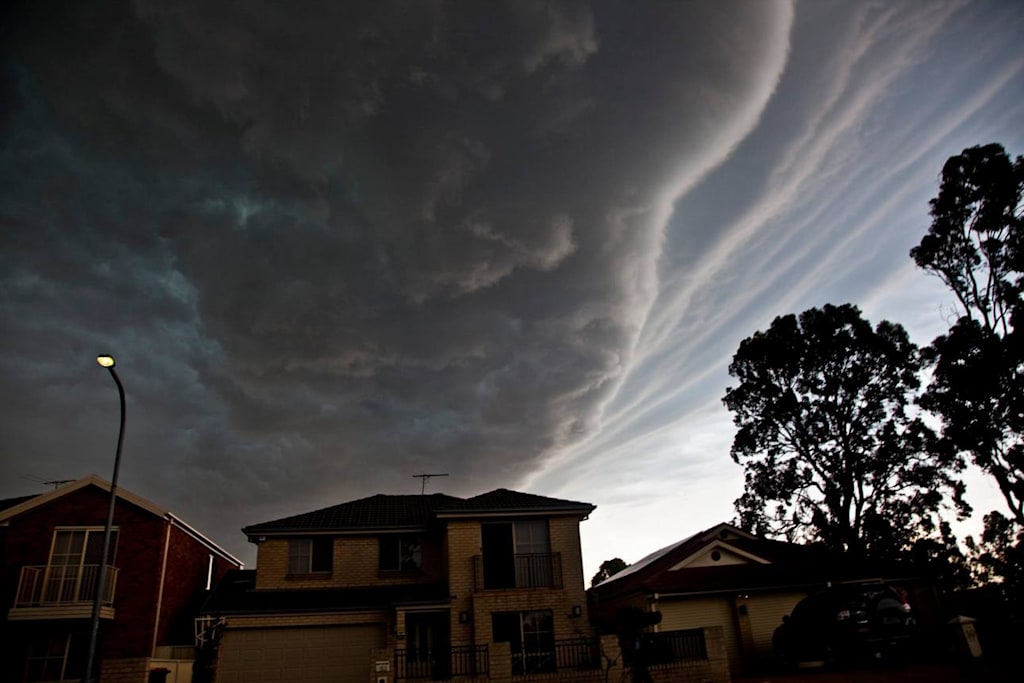
A simple breakdown of what a watch means, how it differs from a warning, and why it’s worth paying attention.
When my phone buzzes with a severe thunderstorm watch alert, I’ll admit something — I don’t always react right away.
If the sky looks normal and the air feels calm, it’s easy to assume it’s just another routine notification.
But over time, I’ve learned that those alerts exist for a reason.
They aren’t meant to cause panic. They’re meant to give you a head start.
Here’s what a severe thunderstorm watch actually means — and why it’s worth taking seriously.
Watch vs. Warning: What’s the Difference?
This is where most confusion happens.
A severe thunderstorm watch means weather conditions are favorable for severe storms to develop. The ingredients are there, but nothing dangerous may be happening yet.
A severe thunderstorm warning, on the other hand, means a storm is already occurring or about to occur in your specific area.
In simple terms:
A watch means stay alert.
A warning means take action.
That distinction matters more than many people realize.
What Makes a Storm “Severe”?
Not every thunderstorm qualifies as severe.
Meteorologists classify a storm as severe if it produces:
Wind gusts over 58 miles per hour
Hail about one inch in diameter or larger
The potential to produce a tornado
Even without tornadoes, strong winds and lightning can knock out power, damage roofs, and make roads unsafe quickly.
It doesn’t take much for a typical afternoon storm to turn disruptive.
Why a Watch Is Worth Paying Attention To
A watch is essentially your preparation window.
It’s the moment before things potentially escalate.
You don’t need to rush outside or take shelter immediately. But it is a good time to:
Bring in or secure loose outdoor items
Charge your phone or devices
Check local weather updates
Think about where you would go if a warning were issued
These are small, simple steps. But they make a big difference if conditions change.
Storms Can Shift Faster Than You Expect
One of the biggest mistakes people make is assuming that if nothing is happening right now, nothing will happen at all.
Weather doesn’t operate on convenience.
I’ve seen calm afternoons turn into heavy rain and strong winds within an hour. The sky darkens, the air changes, and suddenly that earlier alert feels more serious.
A watch simply means the atmosphere has the potential. Whether it develops fully depends on how those conditions evolve.
But being ready never hurts.
After the Storm Moves Through
If severe weather does pass through your area:
Avoid downed power lines
Stay clear of flooded streets
Check your property carefully for damage
Continue monitoring updates in case another system follows
Storm systems often move in waves rather than a single burst.
Final Thoughts
A severe thunderstorm watch isn’t meant to scare you.
It’s meant to give you time.
Time to notice.
Time to prepare.
Time to respond calmly if needed.
The next time your phone lights up with that alert, pause before dismissing it.
You may not need to do much at all.
But having a few extra minutes of awareness is never a bad thing.
About the Creator
Enjoyed the story? Support the Creator.
Subscribe for free to receive all their stories in your feed.
Comments
There are no comments for this story
Be the first to respond and start the conversation.