
What Every Patient Should Know About NHS Cancer Treatment Today
How advances in immunotherapy, targeted treatments, and NHS innovation are reshaping cancer care, recovery, and patient outcomes

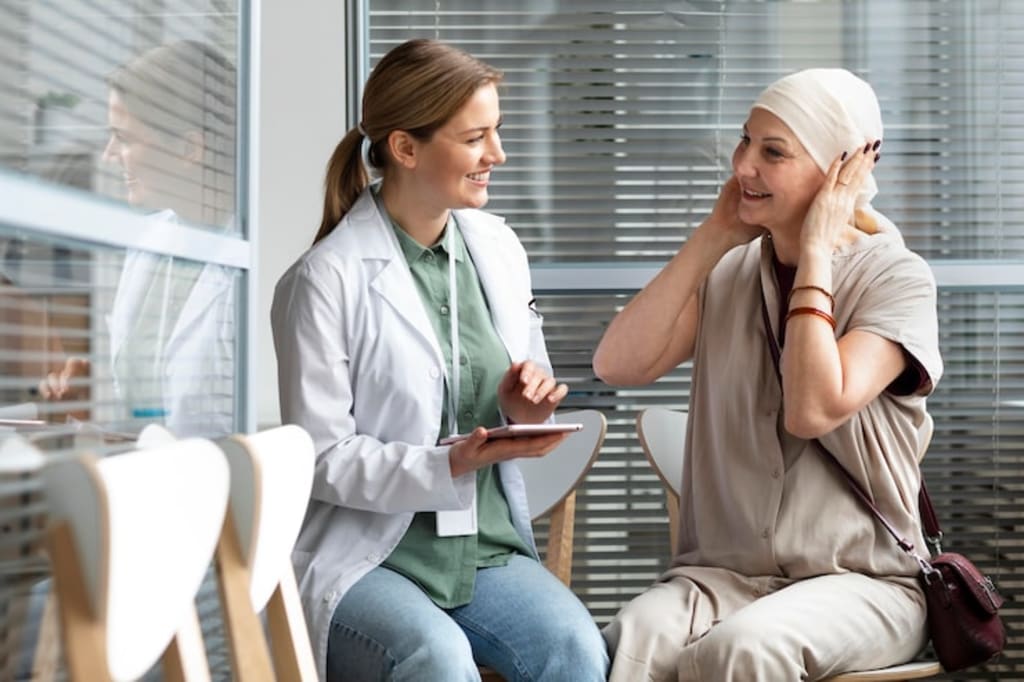
How Modern Science Is Changing Cancer Care for Millions of People
A diagnosis of cancer can change your life. So many questions come in quick — what do you do now? What's your choice? Who can you believe when you need answers? That's uncertainty and it's something that many people experience on their own. Healthy Genre was created for just this kind of person – someone seeking clear, honest health information, beyond the medical jargon. One place where information is most relevant, and most needed at the moment, is NHS cancer treatment – and it's had some of the biggest changes in decades, and none of them are publicized.
Cancer Treatment Has Changed — Here’s What That Means for You
Not too long ago, a cancer diagnosis often meant one of three things: surgery, chemotherapy, or radiation. Those treatments saved lives, no question. But they also came at a cost. Weeks of feeling wiped out, damaged healthy tissue, long recovery times. Patients endured a lot.
Doctors and researchers weren’t satisfied with that. They kept pushing. The payoffs began to trickle in to clinics slowly. The first were targeted therapies — medicines that focused on a particular type of protein in cancer cells, instead of hitting every cell in the body. Hormone therapies later came along. But came something else that turned the discussion around: The Immunotherapy.
What Is Immunotherapy and Why Does It Matter?
Reflect on the normal functioning of the immune system. It detects viruses, bacteria, damaged cells and act against them. But cancer is tricky, In fact, many cancer cells have learned to send signals to the immune system that essentially say "stand down.
Immunotherapy disrupts that. It strips away cancer’s ability to hide.
Different types of immunotherapy do this in different ways. The main ones being used today include:
- Checkpoint inhibitors — Drugs that block the “off switch” cancer uses to avoid detection, letting immune cells do their job again
- CAR-T cell therapy — A patient’s own immune cells are removed, reprogrammed in a lab to hunt cancer cells, then reintroduced into the body
- Cancer vaccines — Not prevention vaccines, but therapeutic ones that teach the immune system to attack existing cancer cells
- Monoclonal antibodies — Engineered proteins that latch onto cancer cells and either mark them for destruction or block their growth signals
What’s made recent headlines is a new delivery method — an immunotherapy jab that takes about 60 seconds. Compare that to IV infusions lasting several hours. The same medicine , just for a smaller slice of the time. For people balancing work, family and that kind of bone tired exhaustion that follows illness, that gap is huge .
Key Facts About Modern Cancer Treatments
Here’s a plain-language look at what’s changed and why it matters for patients:
- Treatment time is shrinking — New injection formats mean some patients are in and out of clinic in minutes rather than hours
- Side effects can be milder — Targeted treatments spare more healthy tissue, which often means patients feel better during treatment
- More cancer types now qualify — Immunotherapy approvals have expanded significantly; cancers with few options years ago now have more
- Earlier access through trials — NHS clinical trials let patients try approved-but-new therapies before they become standard practice
- Recovery is often faster — Less physical stress on the body during treatment generally means a quicker return to normal life
- Personalised options are growing — Genomic testing now helps doctors match specific treatments to specific tumour types
These aren’t promises. Every cancer case is different. But the direction things are heading is genuinely encouraging.
How the NHS Is Leading the Way
A moment for reflection on the work of the NHS in this area. It's one of the few health systems in the world where one cannot simply not go to the hospital if they cannot afford it. If a new therapy passes clinical and regulatory trials, the NHS will then do everything possible to ensure that it's available nationwide – not just at specialist centres.
NHS cancer treatment programmes are regularly reviewed and updated by national clinical bodies. NICE — the National Institute for Health and Care Excellence — assesses the effectiveness and cost-effectiveness of new treatments before publishing guidance which influences that the treatments can be offered to patients. It's not an ideal system and waiting times are a real issue. But the framework for bringing new treatments to patients is solid.
Clinical trials run through the NHS also play a big role. Thousands of patients each year get access to treatments that haven’t yet become standard. Those trials also generate the data that shapes future guidelines.
What Patients and Families Can Do Right Now
Facing a cancer diagnosis — whether yours or a loved one’s — can make you feel like things are happening to you rather than with you. That’s worth pushing back on. Here are some practical things that can genuinely help:
- Ask your oncologist about newer options — Specifically mention immunotherapy or targeted therapy. Some patients don’t get told unless they ask, especially outside specialist centres
- Use trusted health education sites — Resources like Healthy Genre translate medical findings into language real people can actually use and act on
- Request a referral to a multidisciplinary team — These teams bring together oncologists, surgeons, radiologists, and others to look at your case from multiple angles
- Look into NHS clinical trials — Your doctor can tell you whether any active trials match your diagnosis; it’s always worth the conversation
- Take someone with you to appointments — A second pair of ears catches things you might miss when you’re stressed or processing difficult news
None of this replaces your medical team’s advice. But being an active participant in your own care makes a difference — to outcomes, and to how you feel through the whole process.
The Role of Early Detection
Treatment has improved greatly, but early diagnosis will ensure the best possible treatment outcome. In most types of cancer, the number of people diagnosed at stage one and stage two is much better response to treatment than those diagnosed at later stages. The biology is simpler, the options are wider, and the body hasn’t been through as much.
The NHS runs national screening programmes for breast, bowel, and cervical cancers. If you’re in an eligible age group, those invitations are worth acting on — not filing away. Beyond screening, knowing your own body matters. Unexplained weight loss, persistent fatigue, a lump that wasn’t there before, blood where it shouldn’t be — these things deserve a GP appointment, not just a Google search.
Detection technology is also improving fast. Liquid biopsies — blood tests that detect cancer DNA — are moving from research into clinical use. Multi-cancer early detection tests are currently in trials. The next decade will likely look very different.
Looking Ahead
Precision medicine is probably the most significant shift happening in oncology right now. Rather than treating “breast cancer” or “lung cancer” as single diseases, researchers are treating them as dozens of different conditions that happen to share an organ. Genomic profiling of tumours is helping doctors understand exactly which mutations are driving growth — and which drugs will work against them.
AI is starting to change diagnostics too. Pattern recognition in scan images, flagging anomalies a tired radiologist might miss at the end of a long shift — these tools are already in use in some NHS hospitals. They won’t replace clinical judgment, but they sharpen it considerably.
Stay Informed, Stay Empowered
None of this means cancer has been solved. It hasn’t. But honestly the situation today is kind of different from what it was even like ten years back. People are living longer after diagnosis , they get fewer brutal side effects and in certain cases they end up cured of cancers that were, not long ago, treated as terminal. Having good information on hand is part of what makes all that actually work.
The progress being made through NHS cancer treatment is something more people deserve to hear about. Platforms like Healthy Genre exist to close that gap — turning what’s happening in research and clinical settings into something understandable for anyone who needs it. Stay informed. It matters more than most people realise.
About the Creator
Karen Perry
I am Karen Perry, a dedicated writer focused on delivering accurate, clear, and well-researched content on current events and trending topics, helping readers stay informed with thoughtful insights.
Enjoyed the story? Support the Creator.
Subscribe for free to receive all their stories in your feed.
Comments
There are no comments for this story
Be the first to respond and start the conversation.