
Warranty & Downtime in Nigeria: Purchasing Service Assurance (Not Just the Self-Loading Mixer)
Warranty & Downtime in Nigeria: Purchasing Service Assurance (Not Just the Self-Loading Mixer)

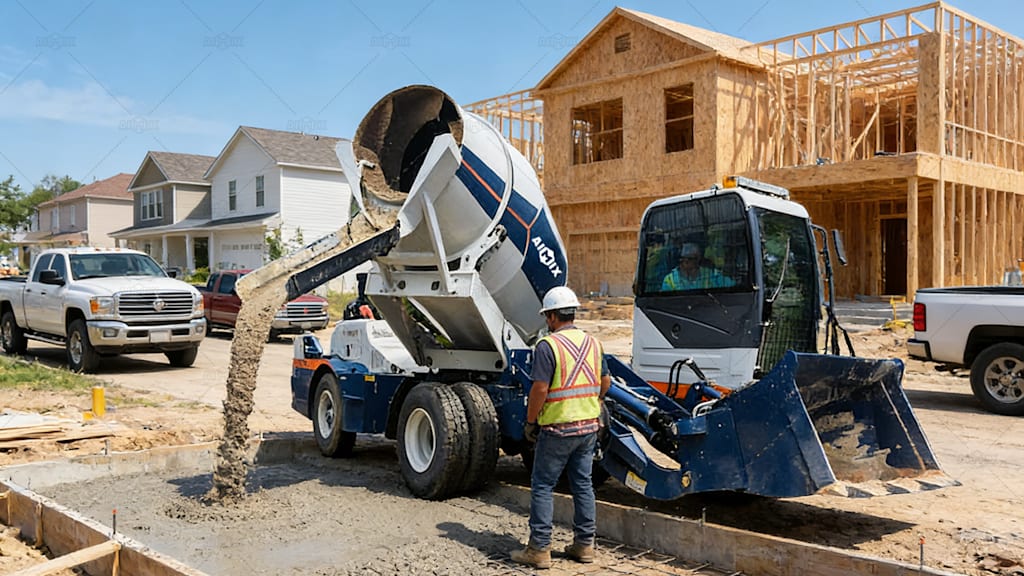
The Nigerian equipment market has a persistent blind spot. Buyers obsess over the machine. They compare engine brands, drum capacities, and tyre sizes. They negotiate the price with vigour. Then they ignore the warranty. This is a mistake. A costly mistake. The self loading mixer is a capital asset. But the warranty is the insurance policy that protects that asset. In Nigeria, where spare parts supply chains are fragmented and technician availability is inconsistent, the quality of the warranty and the service assurance behind it can determine whether a machine generates profit or becomes a liability. This article argues that buyers must evaluate warranty terms and service commitments with the same rigour applied to the machine itself. Four critical dimensions require examination: coverage scope, response times, parts availability, and enforcement mechanisms. Each dimension influences downtime. Downtime influences profitability. The argument is direct: purchase service assurance, not just hardware.
Coverage Scope: What the Warranty Actually Includes
The most common warranty in the Nigerian market is parts-only coverage. The supplier agrees to replace defective components free of charge. The buyer pays for the labour to install them. This distinction matters enormously. A failed hydraulic pump may cost ₦500,000 for the replacement part. The labour to remove the old pump, install the new one, and recalibrate the system may cost another ₦300,000. A parts-only warranty saves the buyer ₦500,000. A parts-and-labour warranty saves ₦800,000. The difference is material. Buyers should request the labour coverage explicitly. If the supplier refuses, the buyer should negotiate a labour allowance or a discounted labour rate. The argument is that a warranty without labour coverage is incomplete. It shifts a significant cost to the buyer. That cost should be understood and budgeted.
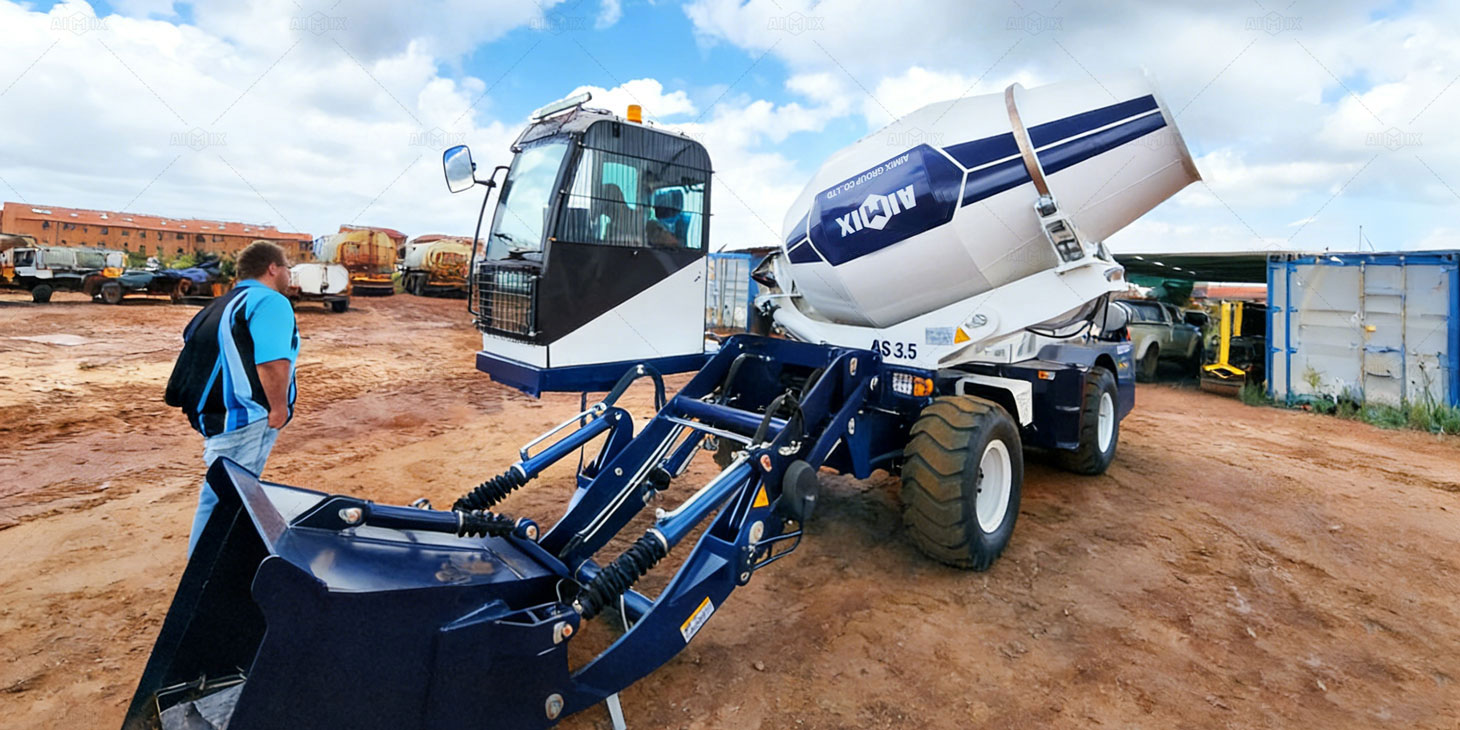
The second coverage dimension is exclusions. Every warranty document contains a list of excluded components. Wear parts are almost always excluded. Blades, liners, belts, filters, and tyres are considered consumables. This is standard. Less standard is the exclusion of critical components. Some warranties exclude the hydraulic pump after the first year. Others exclude the engine after six months. Buyers must read the exclusion list carefully. Any component that is excluded is a component for which the buyer bears full replacement risk. The argument is that exclusions should be reasonable and clearly disclosed. A warranty that excludes the engine, the hydraulic pump, and the control system is not a warranty. It is a marketing document. Buyers should reject such terms or adjust the concrete mixer price in Nigeria accordingly.
Response Times: The Speed of Service
A warranty is only valuable if the supplier responds when a failure occurs. Response time has two components: the time to diagnose the problem and the time to repair it. Suppliers with local technicians in Nigeria can often respond within 24 to 48 hours. Suppliers who must send a technician from overseas may require two to four weeks. The difference in downtime is substantial. A self-loading mixer that is down for two weeks loses production. It also loses revenue. The argument is that buyers should prioritise suppliers with a local service presence. The premium paid for such a supplier is an investment in uptime. The buyer who chooses a cheaper supplier without local support is accepting longer downtime. That trade-off may be rational for intermittent use. It is rarely rational for daily operation.
The second response component is claim processing. Some suppliers require the buyer to return the failed part to the factory for inspection before shipping a replacement. This process can take four to six weeks. Other suppliers ship a replacement part immediately upon receiving photographic evidence of the failure. The difference is measured in weeks of downtime. The argument is that buyers should negotiate for immediate replacement shipping. The supplier can inspect the failed part later. The buyer's production should not wait for the supplier's quality control process. A supplier who refuses immediate replacement is a supplier who prioritises their own convenience over the buyer's uptime. That is not a partnership. It is a transaction.
Parts Availability: The Supply Chain Reality
A warranty that promises free replacement parts is meaningless if the parts are not available. Availability has two dimensions: whether the supplier stocks parts in Nigeria and whether the supplier stocks parts for the specific model purchased. Suppliers with local warehouses in Lagos or Kano can typically deliver parts within 24 hours. Suppliers who ship from China or Turkey require four to eight weeks. The argument is that buyers should verify local parts availability before purchase. Ask for the address of the local warehouse. Ask for a list of parts stocked. Ask for the typical delivery time for an emergency order. A supplier who cannot answer these questions has not invested in local infrastructure. The buyer should consider alternative suppliers.
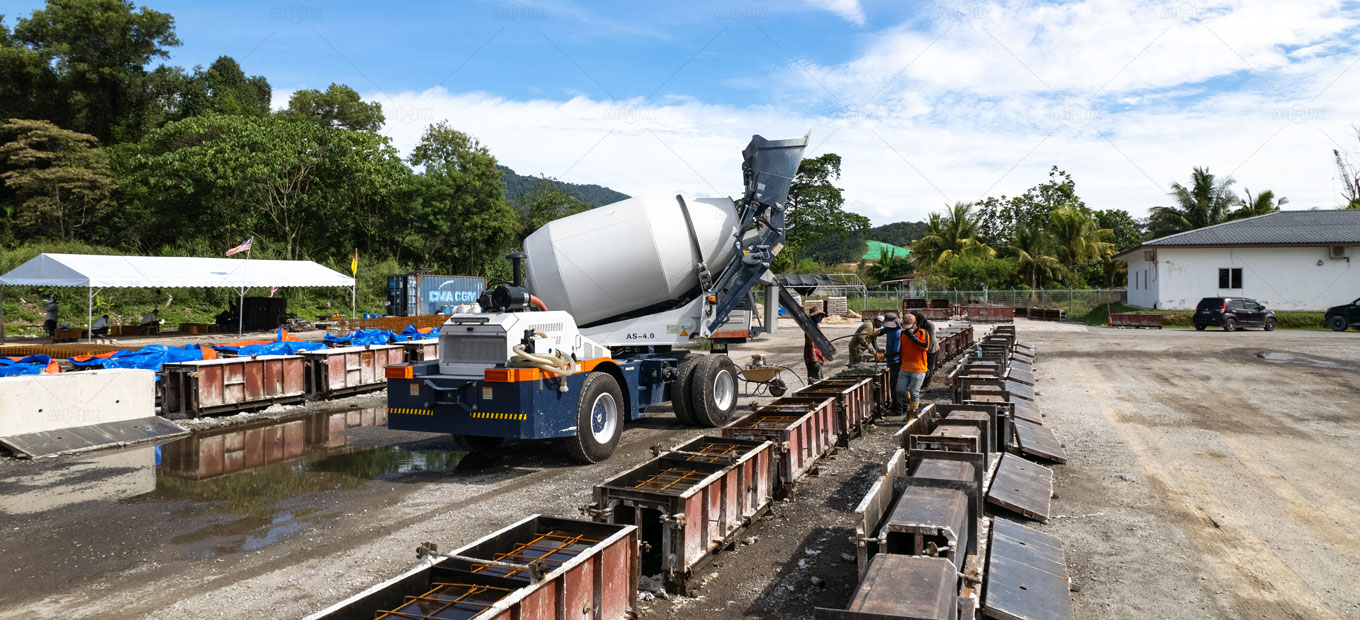
The final parts availability concern is obsolescence. A supplier may support a model for three years and then discontinue it. Parts become unavailable. The machine becomes unrepairable. Buyers should inquire about the supplier's parts support policy. How many years after production does the supplier commit to stocking parts? What is the process for sourcing parts after that period? The argument is that buyers should favour suppliers with a demonstrated commitment to long-term support. A machine that cannot be repaired after five years is a machine with a shortened useful life. The effective cost per year is higher than the purchase price of self loading concrete mixer suggests. Long-term support is not a luxury. It is a component of total cost of ownership.
Enforcement Mechanisms: Making the Warranty Real
A verbal warranty is not a warranty. It is a promise. Promises are broken. The buyer must obtain a written warranty document. That document must specify the governing law. Nigerian law is preferable. If the supplier insists on the law of their home country, the buyer should understand the implications. Enforcing a warranty under Chinese or Turkish law from Nigeria is difficult and expensive. The argument is that the warranty should be enforceable in Nigerian courts. A supplier who refuses this term is a supplier who does not expect to honour the warranty. The buyer should proceed with caution.
The strongest enforcement mechanism is financial. A buyer can structure payment to retain leverage. A typical arrangement is 30 percent deposit, 40 percent before shipment, and 30 percent after installation and acceptance. The final 30 percent is the buyer's leverage. If the supplier fails to honour the warranty, the buyer withholds payment. The argument is that buyers should retain a meaningful percentage until the machine is proven operational. A supplier who demands 100 percent payment before shipment is a supplier who removes the buyer's leverage. The buyer should refuse. Service assurance is purchased with payment terms as much as with warranty documents. The buyer who controls the payment controls the outcome.
About the Creator
AIMIX
Construction Machine Manufacturer in China. Find Machines here: https://aimixconcretesolution.com/
Enjoyed the story? Support the Creator.
Subscribe for free to receive all their stories in your feed.
Comments