
Vagabond Vs. The World
Epilogue of the Underdog


Vagabond, better known to his peers and family as Dreion Allen, died as unremarkably as he lived. His life was punctuated not with an exclamation point, but ellipsis. As an author there always seemed as if there was going to be more: something big we were all waiting for, the summation of his potential, or at least one great pivotal work of art. In line with Allen’s chosen moniker, it seems he never really stuck to one genre, no particular topic, or medium of writing. Instead, he seemed to meander through the literary world erecting strange structures of words consisting of whatever thoughts and emotions he felt at the moment. That enigma is perhaps what has led many of us to revisit his works in search of something we may have missed.
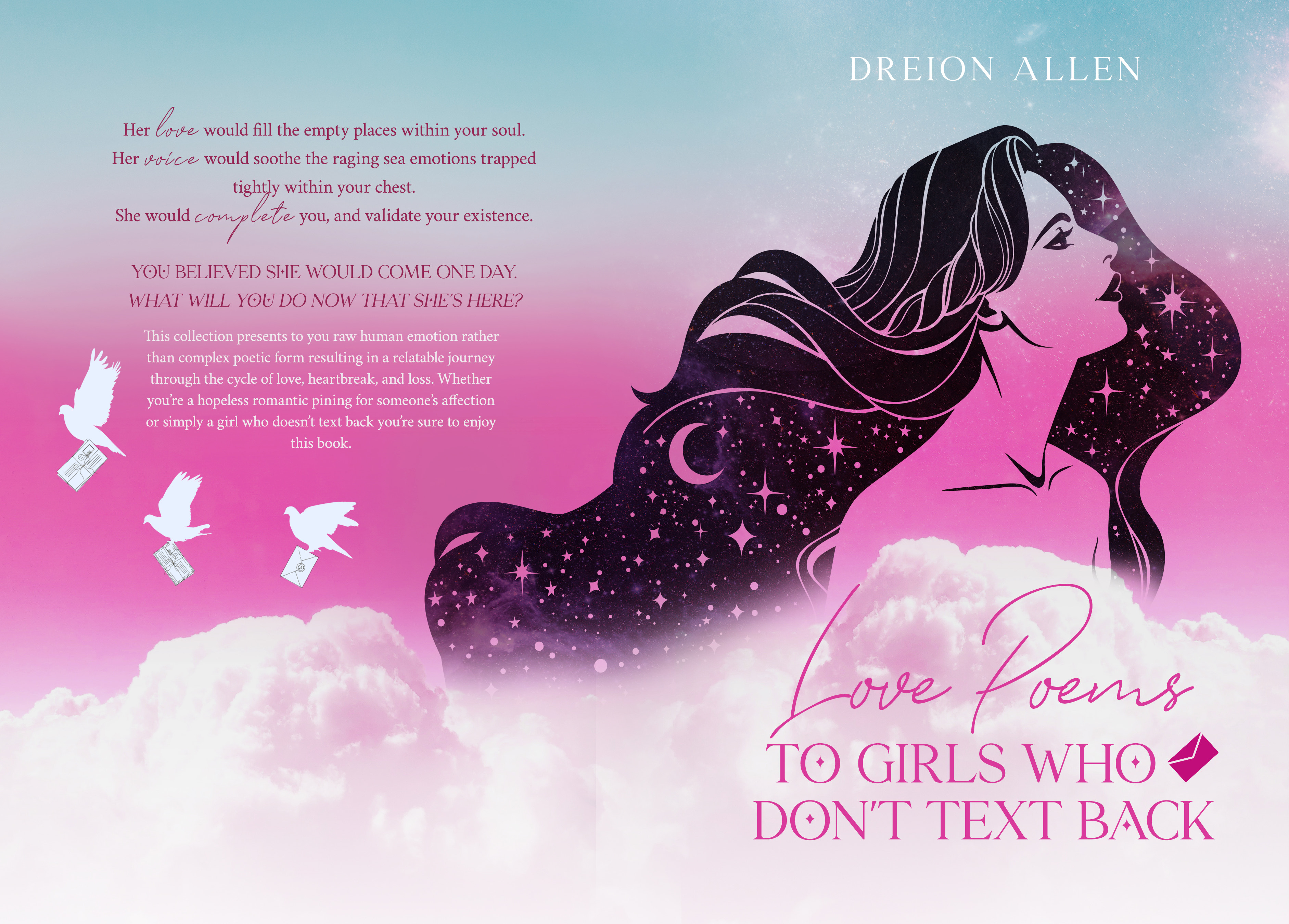
It was in this collective search that we began to unravel what he had been trying to convey to us all along. It begins when we look at his first published work Love Poem to Girls Who Don’t Text Back.
A portion of the book’s introduction states “The creation of this work is a gift to myself. Please understand the poems within are meant to heal myself, not harm anyone else. With pure intentions I wish to share an aspect of my life with you all. I hope through this you can come to understand my experience a little better and have an experience of your own through the material”. It is here he most earnestly tells us his intentions. What some considered a self-indulgent poetic affair was an attempt to reach out through paper and verse to incite emotion and share an experience with us. Nowhere is this more prevalent than in his poetry.
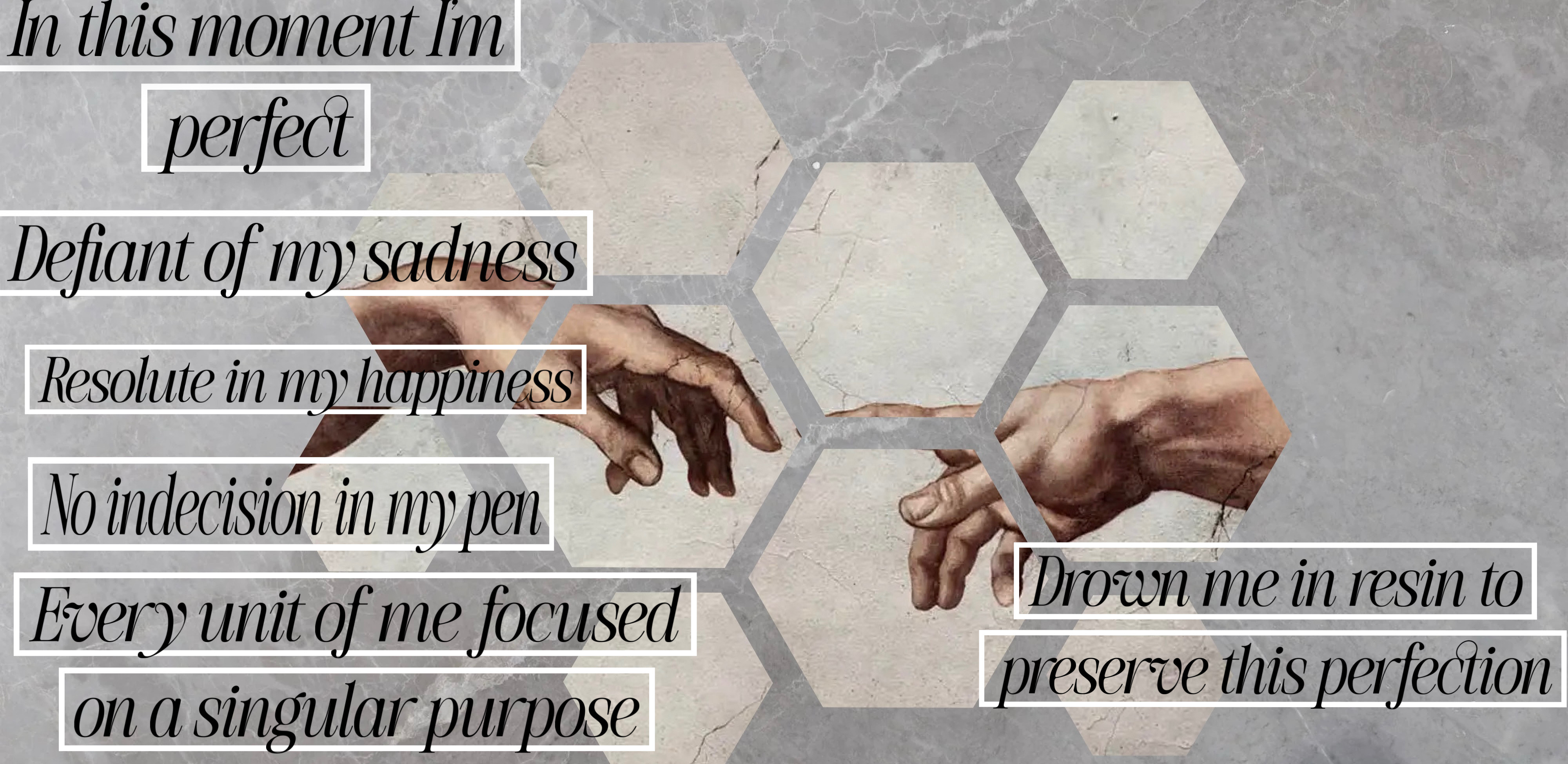
In the year 2027 he released a duo of poetry books The Agonist and Important Little Things. The collections served as antithesis to each other in an attempt to cover the full range of human emotion. The former a collection tapping into the inherent tragedy of his life: a summation of failures in love, mental health, and the pursuit of happiness. He often remarked while working on the book that there was no solace to be found in the suffering except that perhaps somewhere in the world others felt the same and would themselves feel better knowing that they were not alone.
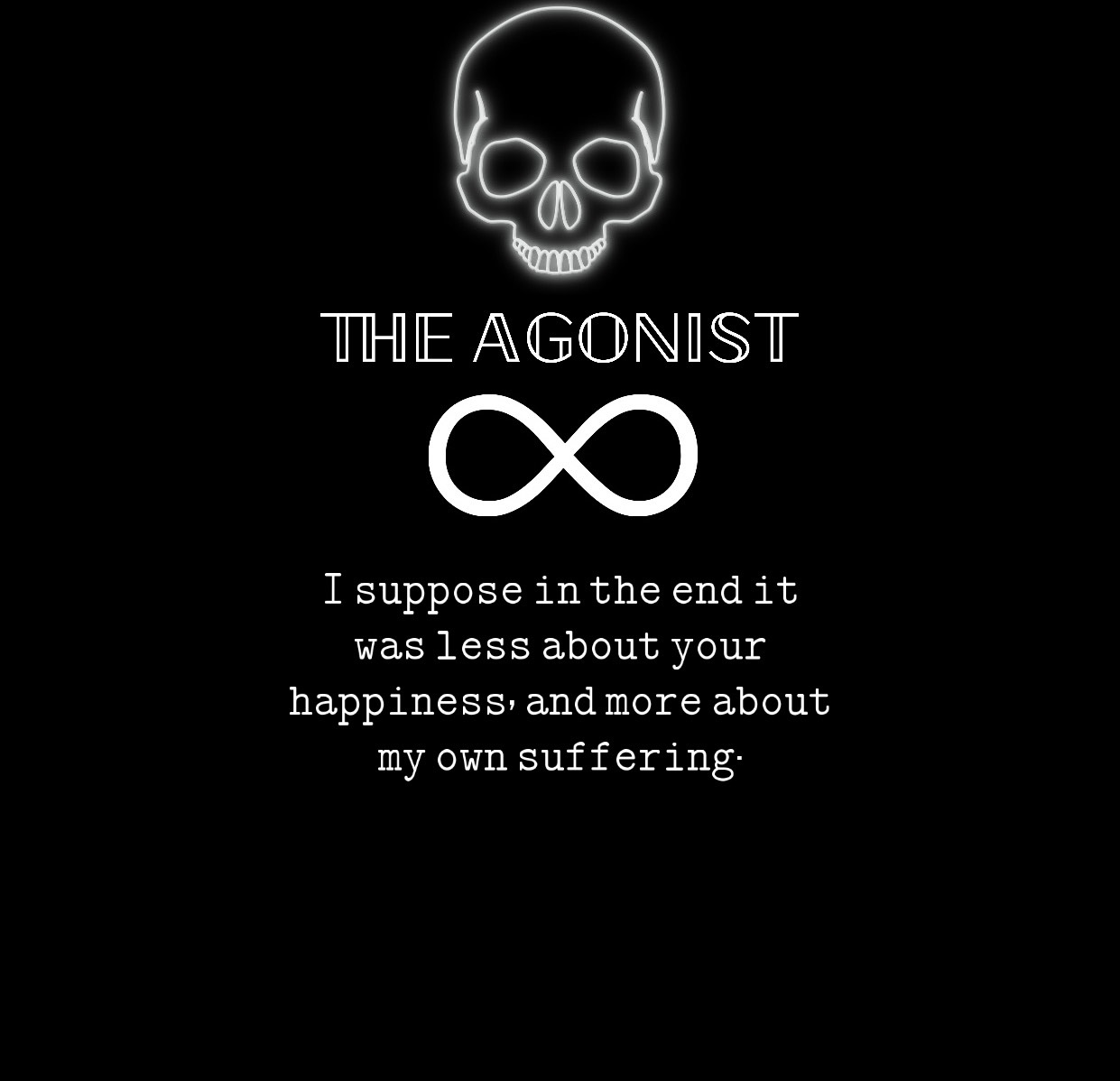
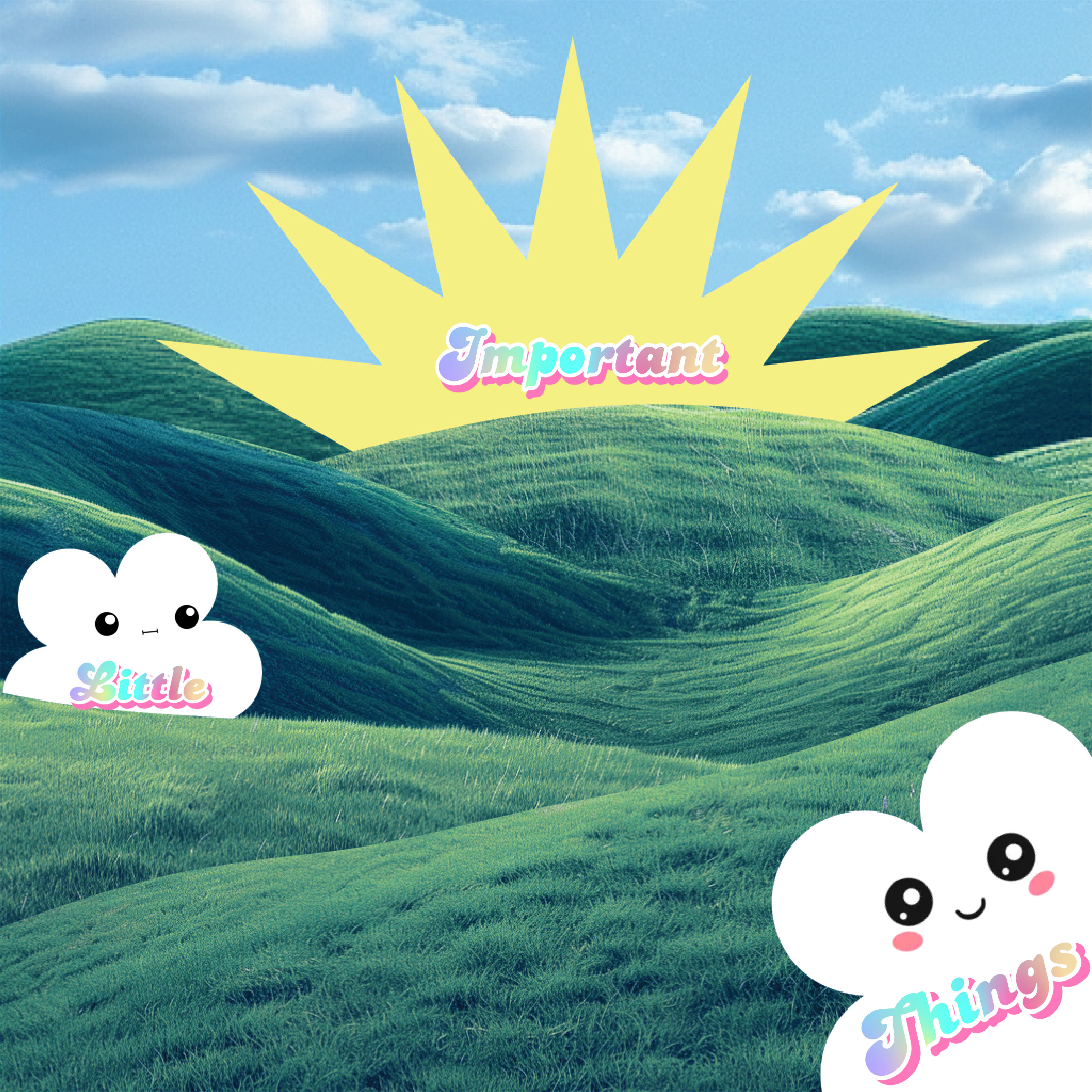
The latter collection took a bold step in the opposite direction. It was poetry intended to reflect what positivity he saw in the world even in turbulent times. Poems centered on his friends, family, and the small but wholly important joyous aspects of life in his personal sphere and beyond: a book meant to balance the perceived negativity he put into the world with The Agonist.
Upon reflection I think the failure of these books was that they were sold individually. While marketed as a mirrored set most people seemed to choose one book over the other which led to a failing understanding of the author’s perspective. Some wrote him off as a pessimistic whiner, while others thought his optimism was ill fit for the times. With Allen now gone fans have been encouraged to complete the set and are now understanding the totality of his perspective at that time. Though I believe it was his final poetic work that has had the biggest resurgence amongst poetry lovers.
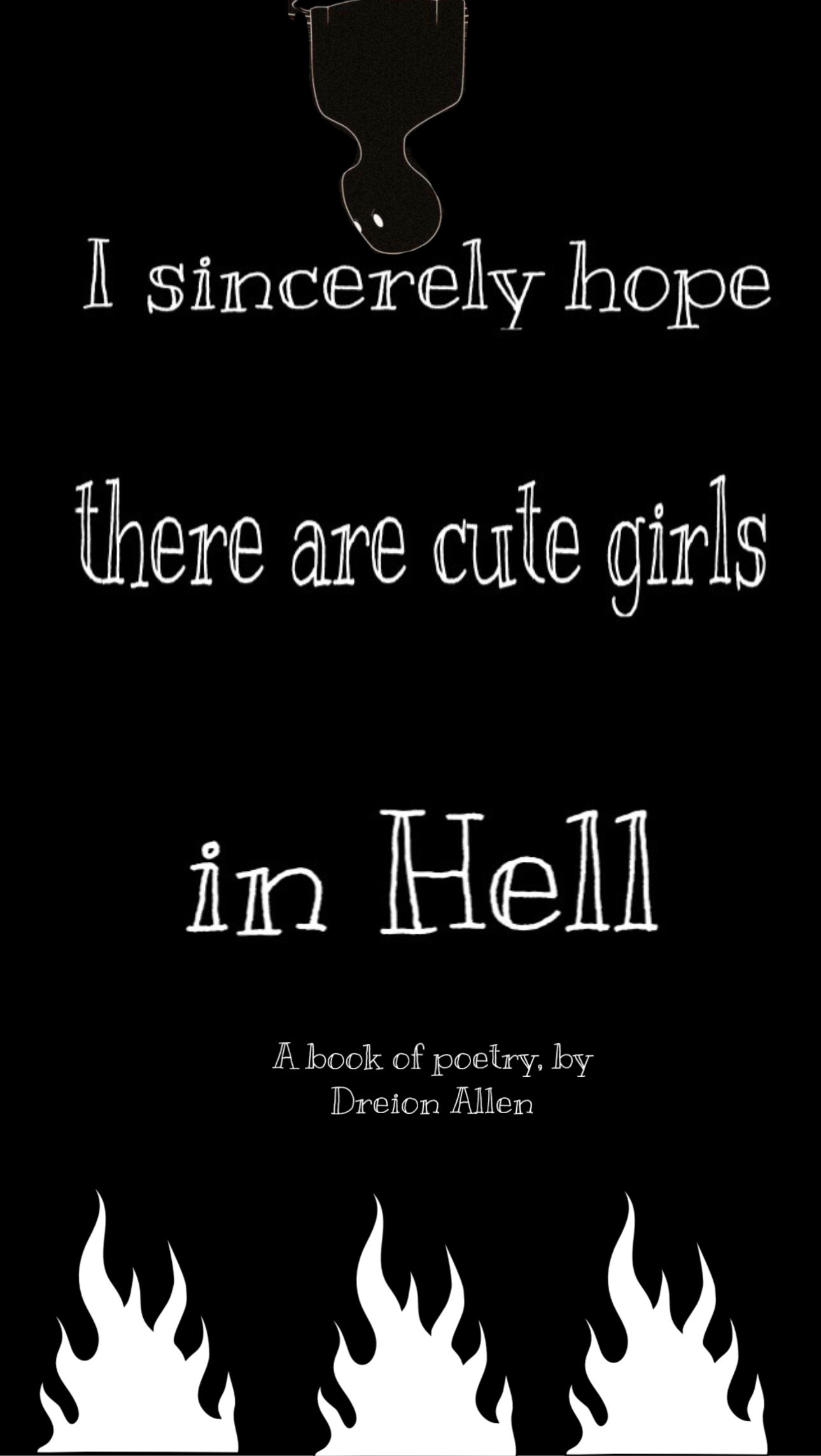
I Sincerely Hope There Are Cute Girls in Hell was what Vagabond called a culmination of his life’s experiences and the resulting disappointment. I personally was never sure if that statement was meant to be as morbid as it read. While both the title, and author’s description of the work paint it in a darker light, I found an unrelenting faith in love and the human experience in the text itself. It was indeed the culmination of his life and the work that had come before: I found the same bittersweet undertone of romance as when I first read Love Poems to Girls Who Don’t Text Back, while the hint of cynicism that permeated The Agonist served to ground me in the reality of the text, and the undeniable joy present in of Important Little Things lingered and uplifted the material. The collection gave us a final poetic view into his mind, and perhaps where he thought he’d end up after death. We can only hope there are indeed cute girls in hell, and he’s smiling up at us.
I do think his newfound popularity would warrant such given that it’s not just his poetic work that has resonated with fans and found new life. A great deal of his literary fiction stories are finding their way into the hands of new and old fans alike. My personal favorite to rediscover has been his Tales of the Desecrated series.
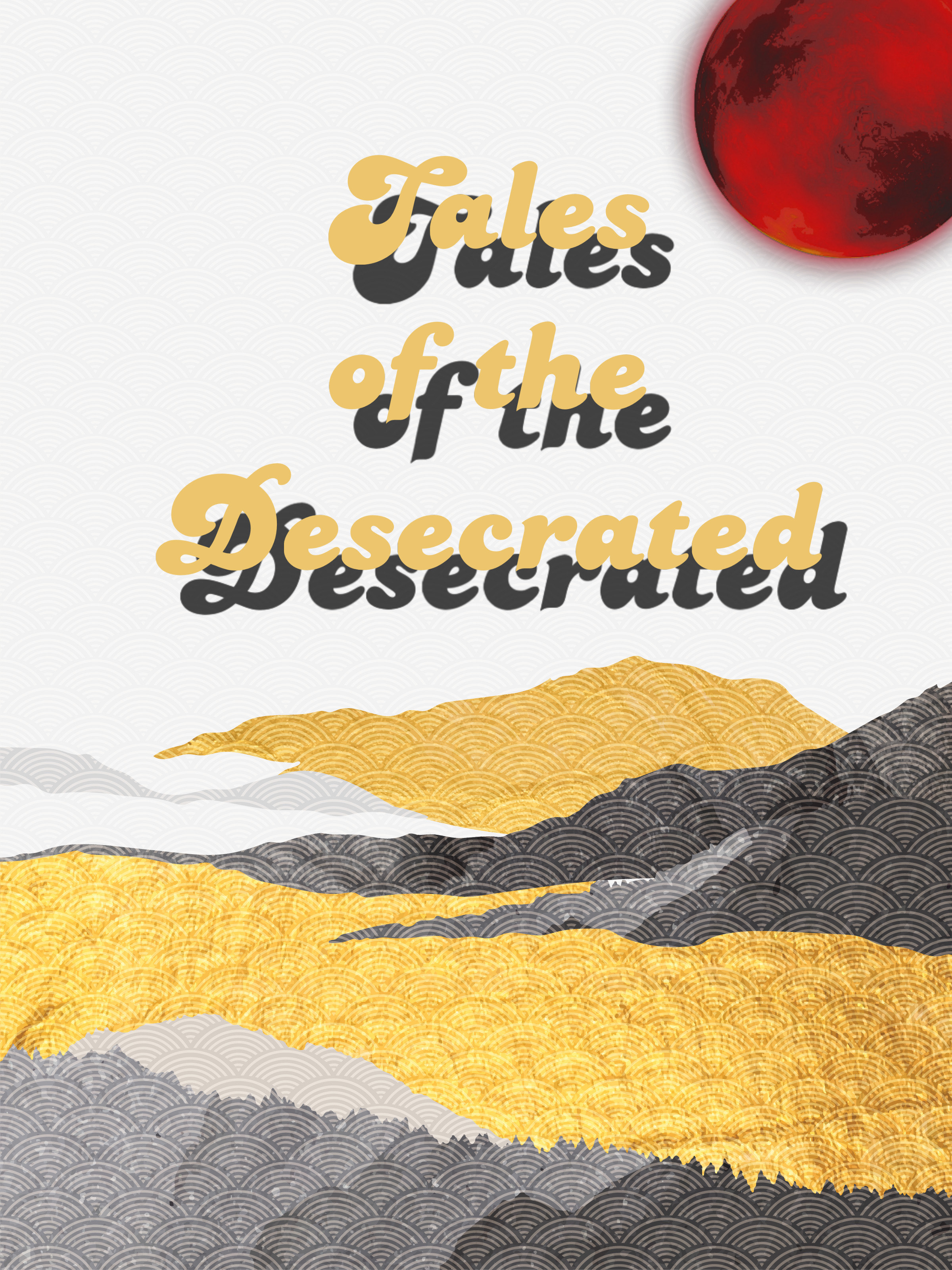
An epic fantasy world spanning generations, and multiple characters. It mixes traditional and familiar fantasy concepts with refreshing stories, histories, and characterization. Many believe this series to be his Lord of the Rings or his Cosmere in scope. I think instead of its scope we should instead look at what it tells us about the writer and how he chose to craft his world. Each entry in the series focuses on a protagonist who by their society’s standards should be outcast or even outright killed due to a "desecration" often beyond their control. The author uses this character as a lens to comment on how different societal views can be harmful, and contrary to one’s true worth. Without spoiling too much of the story it is often these misjudged characters who bring about a sweeping change to the world. And speaking of the world, the way the author constructs each fantasy race and the differing yet interconnected societies shows me he had a great admiration for real life cultural differences and how they influence and affect each other. While there are smaller lessons and themes woven throughout each of the stories, I think the broader background of the world building really shows us the author’s worldview. He again at his core wants to share an experience that brings us closer together as a society. Through understanding the plight of an Orc, Elf, or some other fantasy race you can come to understand the journey of your neighbor.
Moving in the opposite direction, his novel Boys of the Jungle is the work that I feel comments on his own culture and life experiences the most. It is his most grounded and personal story many would say. Gone is the fantasy world of magic and demonic beasts, and instead we enter an urban city following a young Black boy and his experience moving into a new neighborhood. While the story certainly has fantastical elements which are attributed to the well documented history of Black culture’s love blaxploitation kung fu movies, the story itself is a simple one of an odd kid finding community in an unfamiliar environment.
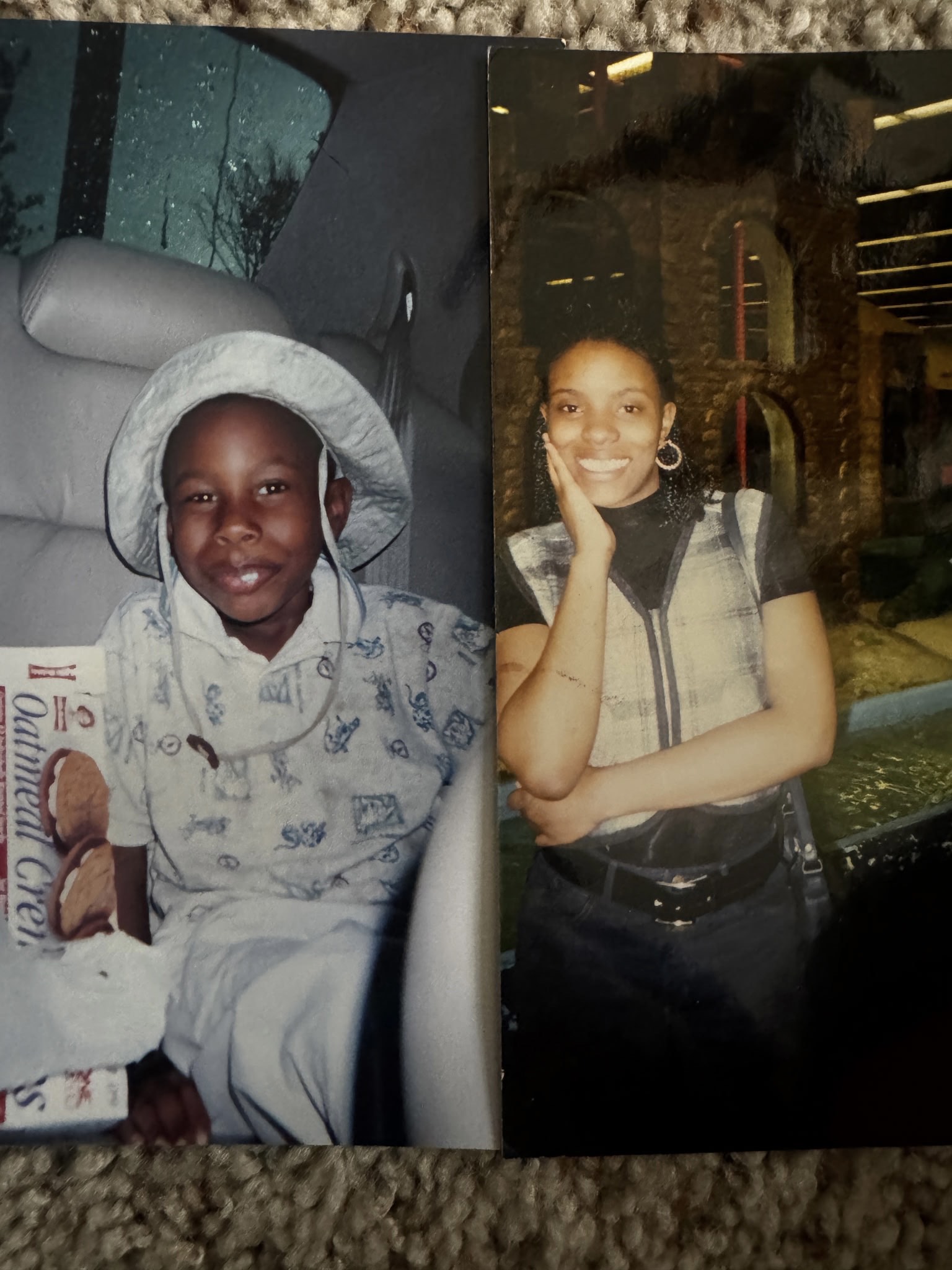
Looking into his background as the child of a single mother from Detroit it becomes easier to see what elements were taken directly from his personal life and it’s interesting to see how he interprets those elements and shapes them into trials for the young boys in the novel. While not quite there yet I can see this particular work being looked upon in the future as one of the great American classics of its time.
I feel like I could go on and on about his literary works (Warrior of the Wisps, Soul Forged, Spirit Eater, The Forsaken Land Trilogy, Etc) and what I believe they symbolize or say about his world view, but I think it would be better for you to discover that magic on your own.
Given that Allen was a writer who tackled poetry, epic fantasy, supernatural romance, and many other genres I find it baffling that we ever felt we were lacking more from him. The entire time we could have simply hopped genres or mediums to indulge in his next project. Though he may not have ever truly settled in one literary place there was a commonality of humanism and deep emotion interwoven throughout his works. I can say now that despite misunderstanding him in life that I’ve come to understand him better in death. I hope that you too can take a journey with this author be it through a poetic spiral to the underworld, a fantasy adventure to a world unlike ours, or even through the city streets resembling home.
About the Creator
Vagabond Writes
I sometimes write things. Currently eager to write more, and provide quality content. If you like my writing consider subscribing or pledging. Thanks for the support!
Also follow my Instagram @Vagabond_Writes
Enjoyed the story? Support the Creator.
Subscribe for free to receive all their stories in your feed. You could also become a paid subscriber, letting them know you appreciate their work.
Comments
There are no comments for this story
Be the first to respond and start the conversation.