
Top Fire Safety Standards You Must Meet to Qualify for a Certificate
Fire Safety
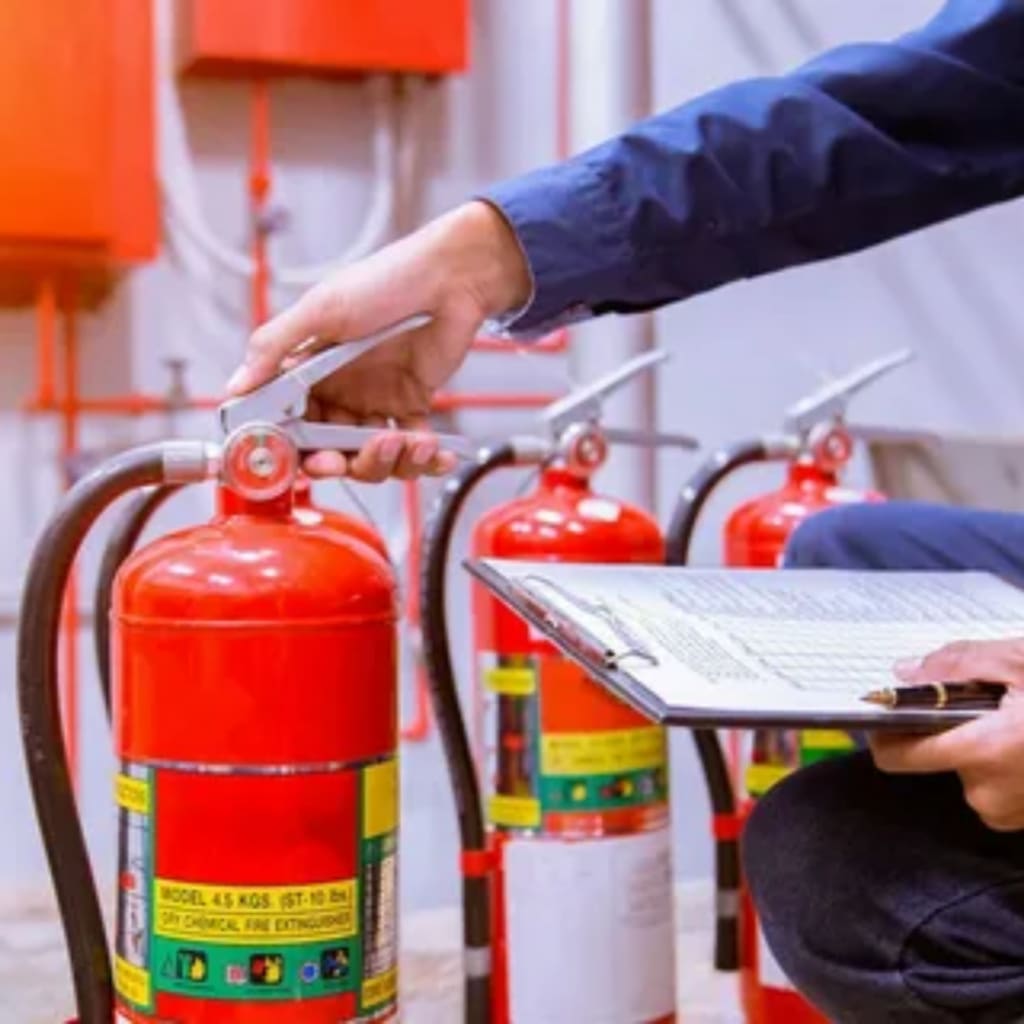
Fire safety is one of the most critical aspects of any building, whether residential, commercial, or industrial. It ensures the protection of lives and property by preventing and minimizing the effects of fire accidents. In many countries, compliance with fire safety standards is a legal requirement, and businesses or organizations must adhere to these standards to qualify for a Fire Safety Certificate in London. This certificate is a legal document that proves the premises have been inspected and meet the necessary fire safety guidelines. In this blog, we will explore the top fire safety standards that must be met to qualify for such a certificate.
Importance of Fire Safety Standards
Fire safety standards serve as a set of rules and guidelines that aim to prevent the occurrence of fires, reduce their potential impact, and safeguard human lives. These standards are put in place by regulatory bodies, fire departments, and safety organizations to ensure that both property and people are protected. Failing to comply with these regulations could result in severe penalties, increased insurance premiums, and, in the worst case, loss of life.
Meeting the fire safety standards not only helps avoid these negative consequences but also contributes to creating a safe environment. Whether you are building a new facility or maintaining an existing one, understanding these standards is crucial for your business's long-term success and compliance.
Fire Safety Standards for Building Construction
The first fire safety standard that must be met is related to the structure of the building. The materials used for construction must be fire-resistant, and the layout must allow for the safe evacuation of individuals in the event of a fire. This includes ensuring that fire-rated doors, walls, and ceilings are installed where necessary.
Building codes and fire safety regulations typically specify the types of materials that should be used to minimize the spread of fire. For example, steel and concrete are common fire-resistant materials, whereas wood and certain plastics may be restricted or require additional fireproofing treatments. Additionally, the fire safety standards may require the installation of fire barriers, smoke and heat detectors, and sprinklers.
Fire Detection and Alarm Systems
Another critical component of fire safety is the installation of effective fire detection and alarm systems. These systems play a vital role in alerting individuals to a fire and enabling a swift response to minimize potential harm. Smoke detectors, heat detectors, and carbon monoxide detectors are commonly used to identify fire hazards early on.
Fire alarms should be loud enough to alert everyone in the building, including people with hearing impairments. The alarm system should also be connected to local fire authorities to ensure a quick response from emergency services. Regular testing and maintenance of these systems are required to ensure their functionality.
Emergency Lighting and Signage
In the event of a fire, clear emergency exits are essential to ensure that everyone can evacuate the building safely. Fire safety standards dictate that emergency lighting must be installed in all escape routes and stairwells to provide adequate visibility during a fire or power failure. This lighting should be operational at all times and have a backup power source in case of an electrical outage.
Emergency exit signage is also crucial for guiding people out of the building. These signs should be illuminated and easily visible, even in low visibility conditions. The fire safety regulations often specify the placement and design of these signs to ensure that they meet the requirements for clarity and visibility.
Fire Suppression Systems
Fire suppression systems are another important aspect of meeting fire safety standards. These systems include fire sprinklers, fire extinguishers, and fire hoses, which are designed to control or extinguish a fire before it spreads further. In some buildings, especially high-rise structures or those with special risks, fire suppression systems must be installed as per the fire code.
Sprinkler systems are highly effective in controlling fires and are often required in certain types of buildings such as hospitals, hotels, and large commercial spaces. Fire extinguishers should be strategically placed in easily accessible locations, and their proper functioning must be checked regularly.
Fire Exit and Evacuation Plans
Fire safety standards place a significant emphasis on ensuring that there is a clear and organized evacuation plan in place. This includes providing adequate fire exits, escape routes, and emergency assembly areas. The design of the building should take into account the flow of people during an evacuation to avoid bottlenecks and delays.
The fire exit routes should be well-marked, unobstructed, and accessible to everyone, including individuals with disabilities. Regular fire drills are also a part of the compliance process, allowing employees and building occupants to familiarize themselves with the evacuation procedures.
Fire Safety Training and Awareness
One of the most important aspects of fire safety is ensuring that all individuals on the premises are aware of the potential risks and know how to act in the event of a fire. This is where fire safety training comes into play. Regular training sessions should be conducted to educate staff, tenants, and other occupants about fire hazards, evacuation procedures, and how to use fire safety equipment such as extinguishers and fire alarms.
In addition to formal training, fire safety awareness campaigns can help keep fire prevention at the forefront of everyone’s mind. Awareness programs should include the safe use of electrical appliances, how to store flammable materials, and other critical safety tips to prevent the occurrence of fire.
Maintenance and Inspection
Fire safety is an ongoing process, and it’s not enough to simply install fire safety equipment or systems. Regular maintenance and inspections are essential to ensure that everything is functioning correctly. Building owners must ensure that fire alarms, sprinkler systems, extinguishers, and emergency lighting are regularly tested and serviced according to established schedules.
Annual fire safety audits and inspections by qualified professionals are typically required to verify compliance with the fire safety standards. These inspections help identify any weaknesses or areas of improvement, which can then be addressed promptly.
Compliance and Certification
Once all the fire safety standards have been met and all the necessary systems are in place, building owners must schedule an inspection with the relevant authorities. This inspection will assess whether the building complies with local fire safety regulations. If the building passes the inspection, it will be awarded a fire safety certificate. This certificate serves as proof that the building is safe for occupancy and has met all the necessary requirements.
Failure to comply with fire safety standards can result in the rejection of the certificate, fines, or even the closure of the building. Therefore, it is essential to remain up-to-date with any changes in fire safety regulations and implement any necessary updates promptly.
Conclusion
Meeting fire safety standards is crucial not just for regulatory compliance but for the protection of human life and property. From ensuring fire-resistant construction materials to installing reliable fire detection systems, each element of fire safety plays a significant role in preventing and minimizing the damage caused by fires. By adhering to these standards and conducting regular inspections and maintenance, you can help ensure a safe environment for everyone.
Fulfilling the requirements to qualify for a fire safety certificate involves understanding the various standards, implementing the necessary systems, and consistently maintaining them. The certificate serves as an assurance that the building is safe and ready to handle fire emergencies. It’s essential for business owners, property managers, and building occupants to take fire safety seriously to prevent tragic consequences and ensure compliance with the law, If you want to stay updated with posts like this, please follow us on Vocal.
About the Creator
Enjoyed the story? Support the Creator.
Subscribe for free to receive all their stories in your feed.
Comments
There are no comments for this story
Be the first to respond and start the conversation.