
The Role of Wellness Products Manufacturers in Shaping a Healthier Future
Fitness and Wellness

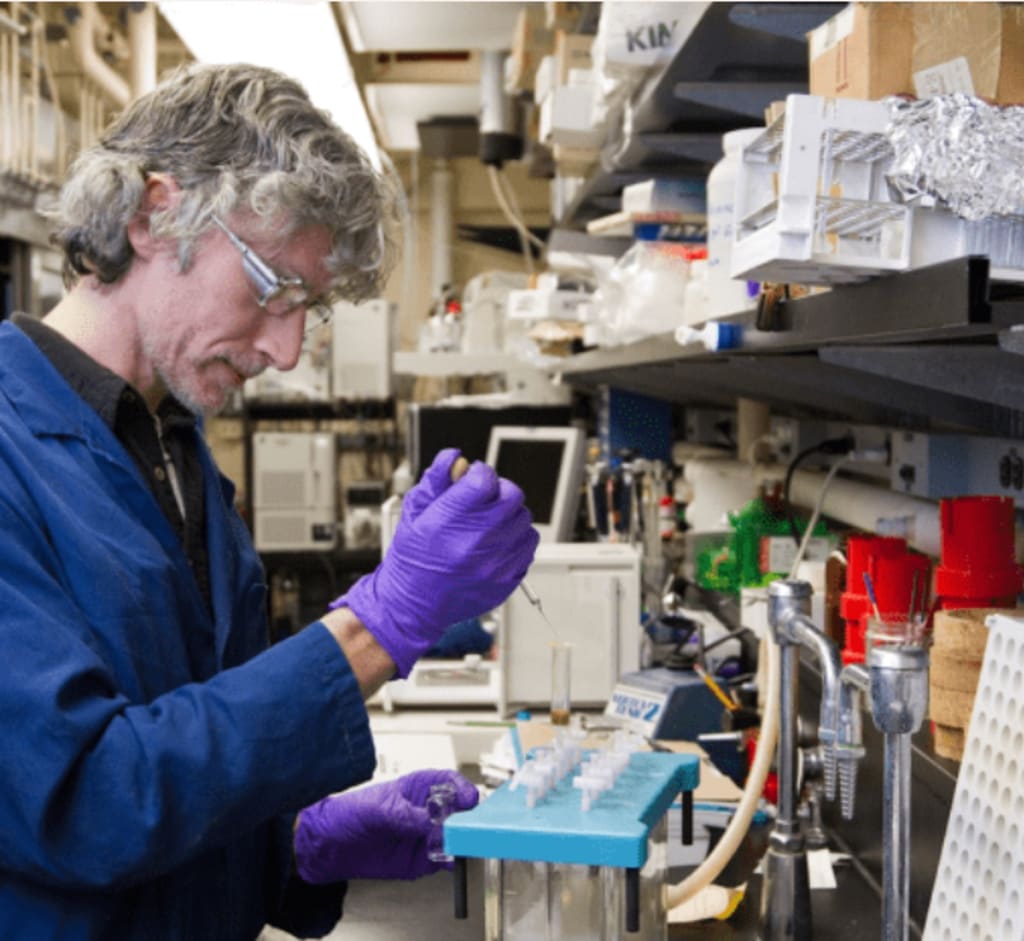
Introduction
Wellness is no longer just a trend—it’s a way of life. From skincare infused with botanical extracts to dietary supplements designed for holistic health, the demand for wellness products has surged in recent years. Behind every innovative wellness product, there is a dedicated wellness products manufacturer working to bring safe, effective, and sustainable solutions to consumers.
These manufacturers play a crucial role in the industry, ensuring high-quality formulations, ethical sourcing, and compliance with regulatory standards. But what exactly goes into wellness product manufacturing, and how does it influence the broader health and beauty landscape? This article explores the impact of wellness products manufacturers, their processes, and the future of the industry.
The Growing Demand for Wellness Products
The modern consumer is more health-conscious than ever. Factors such as increased awareness of natural remedies, the rise of holistic health, and the shift towards preventive care have contributed to the exponential growth of the wellness industry. People are now seeking products that not only enhance their physical appearance but also contribute to their overall well-being.
Some of the most sought-after wellness products include:
Skincare and beauty products infused with natural and organic ingredients
Nutritional supplements for gut health, immunity, and overall wellness
Aromatherapy and essential oils to promote relaxation and mental clarity
Herbal teas and functional beverages designed for detoxification and rejuvenation
CBD and plant-based remedies for stress relief and pain management
To meet this demand, wellness products manufacturers must develop effective formulations while ensuring safety, sustainability, and compliance with industry standards.
The Process of Manufacturing Wellness Products
Creating a wellness product is not just about blending ingredients; it requires a deep understanding of science, consumer needs, and regulatory guidelines. Here’s a step-by-step look at how wellness products are manufactured:
1. Market Research and Product Development
Before manufacturing begins, extensive research is conducted to understand consumer preferences, emerging trends, and ingredient efficacy. Manufacturers work closely with brands to develop innovative formulations that align with market demands.
2. Ingredient Sourcing
The quality of raw materials significantly impacts the final product. Ethical wellness products manufacturers prioritize sourcing high-quality, natural, and sustainably harvested ingredients. Many companies also emphasize cruelty-free and vegan formulations, ensuring that their products meet ethical standards.
3. Formulation and Testing
Once ingredients are selected, they undergo rigorous testing to determine efficacy, stability, and safety. This stage involves:
Microbial testing to ensure products are free from contaminants
Stability testing to assess shelf life and performance over time
Dermatological and clinical testing (if applicable) to confirm product claims
4. Manufacturing and Production
Manufacturing takes place in certified facilities following strict guidelines to maintain consistency and quality. Processes may involve:
Cold-pressed extraction for essential oils
Freeze-drying for supplements and herbal extracts
Advanced biotechnology for skincare formulations
5. Packaging and Labeling
Sustainability is a key focus in wellness product packaging. Many manufacturers opt for biodegradable, recyclable, or refillable packaging to minimize environmental impact. Labels must also comply with legal requirements, listing ingredients, usage instructions, and safety precautions.
6. Regulatory Compliance and Certifications
Reputable wellness products manufacturers ensure their products meet global standards such as:
Good Manufacturing Practices (GMP) certification
FDA approval (for applicable products)
Organic, vegan, or cruelty-free certifications
Third-party testing for quality assurance
The Role of Manufacturers in Ensuring Sustainability
Sustainability is at the forefront of the wellness industry. Consumers are now more mindful of the environmental impact of the products they use. As a result, wellness products manufacturers are adopting eco-friendly practices to minimize their carbon footprint and promote sustainability. Here’s how manufacturers are contributing to a greener future:
1. Ethical Ingredient Sourcing
Many manufacturers prioritize sourcing ingredients from fair-trade suppliers, ensuring that farmers and local communities benefit from ethical business practices. Sustainable farming methods, such as organic cultivation and regenerative agriculture, are also being widely adopted.
2. Eco-Friendly Packaging
With increasing concerns over plastic waste, manufacturers are shifting towards biodegradable, recyclable, or refillable packaging. Some even use plant-based materials like bamboo, sugarcane, or glass to reduce environmental impact.
3. Water and Energy Conservation
Wellness product manufacturing requires significant energy and water consumption. To counter this, many manufacturers are investing in water-recycling systems, renewable energy sources like solar and wind power, and energy-efficient production techniques.
4. Cruelty-Free and Vegan Formulations
Animal testing is becoming obsolete as more brands and manufacturers embrace cruelty-free alternatives. Plant-based and vegan formulations are also gaining traction, eliminating the need for animal-derived ingredients while still maintaining product efficacy.
Challenges Faced by Wellness Products Manufacturers
Despite the growing demand for wellness products, manufacturers face several challenges in maintaining quality, compliance, and sustainability.
1. Strict Regulatory Standards
Wellness products, especially those in skincare and supplements, must comply with stringent safety regulations. Meeting different international standards can be complex and time-consuming, requiring continuous testing and documentation.
2. Sourcing High-Quality Ingredients
The demand for natural and organic ingredients has led to supply chain difficulties. Manufacturers must work closely with ethical suppliers to ensure consistent quality and availability of raw materials.
3. Rising Costs of Sustainable Practices
While sustainability is a priority, eco-friendly alternatives often come at a higher cost. Implementing sustainable sourcing, biodegradable packaging, and ethical labor practices requires significant investment, which can be challenging for smaller manufacturers.
4. Maintaining Product Innovation
With rapidly evolving consumer preferences, manufacturers must continually research and develop new formulations to stay ahead of market trends. This requires investment in advanced technology and scientific innovation.
The Future of Wellness Product Manufacturing
The wellness industry is set to grow even further, with a strong emphasis on natural, science-backed, and sustainable solutions. Future trends that will shape the industry include:
Personalized Wellness Products: AI and biotechnology will enable customized skincare, supplements, and holistic health solutions tailored to individual needs.
Biodegradable and Waterless Products: Concentrated, waterless formulas (such as powder-based skincare and shampoo bars) will gain popularity, reducing water consumption and packaging waste.
Greater Transparency and Clean Labeling: Consumers demand full ingredient transparency, pushing brands and manufacturers to disclose sourcing, sustainability efforts, and ethical practices.
Advancements in Biotechnology: Lab-grown ingredients and plant-based alternatives to traditional cosmetic chemicals will revolutionize wellness product formulations.
Conclusion
Wellness products manufacturers are at the heart of the booming wellness industry, shaping the way consumers approach self-care, sustainability, and ethical beauty. Their role extends beyond production—they drive innovation, uphold sustainability, and ensure that every product meets the highest standards of quality and safety.
About the Creator
Enjoyed the story? Support the Creator.
Subscribe for free to receive all their stories in your feed.
Comments
There are no comments for this story
Be the first to respond and start the conversation.