
The Re-Appraisal of Rachel Robbins
Repressed rage, rarely refined, ridiculously righteous


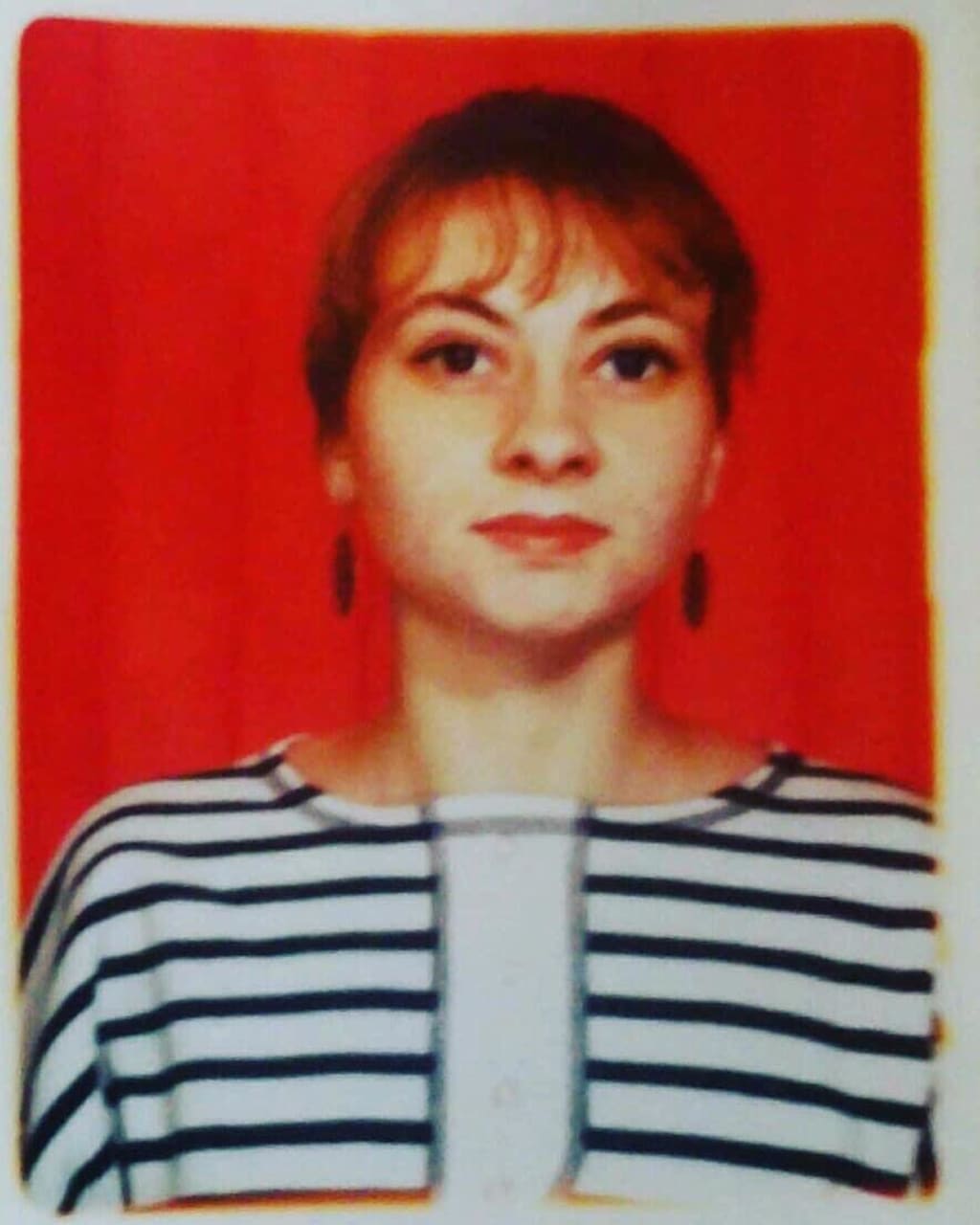
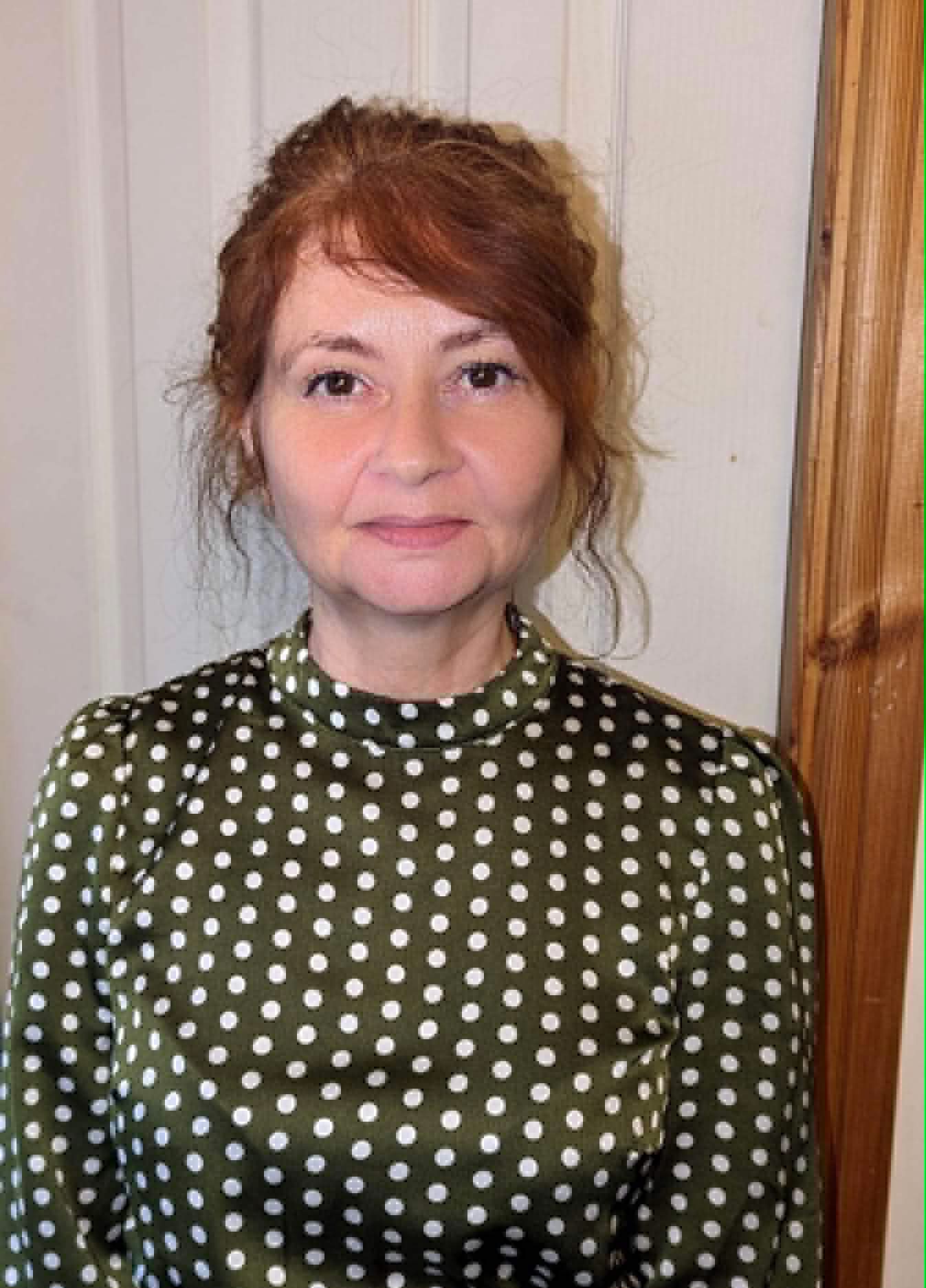
Her image is inescapable. It adorns notebooks, handbags, coasters, pine framed posters in coffee shops and boxes of tampons. Her trademark red hair and mid- 20th century style graces our social media pages and aspirational lifestyle articles. We are saturated with close ups of her brown eyes giving that off-kilter stare that suggests an astigmatism. Yet, there was a time when Rachel Robbins was an unsung, little known writer. Her work may well have faded into obscurity had it not been brought back to life by her great-great-niece as part of her college history project.
Buried in her Grandmother’s attic, Daisy Duncan found a crate of journals and various scribblings that had the words – Burn after Death – scrawled on the lid. Struggling with deciding her dissertation topic, she opened the crate, blew away the dust and found an archive of a private life.
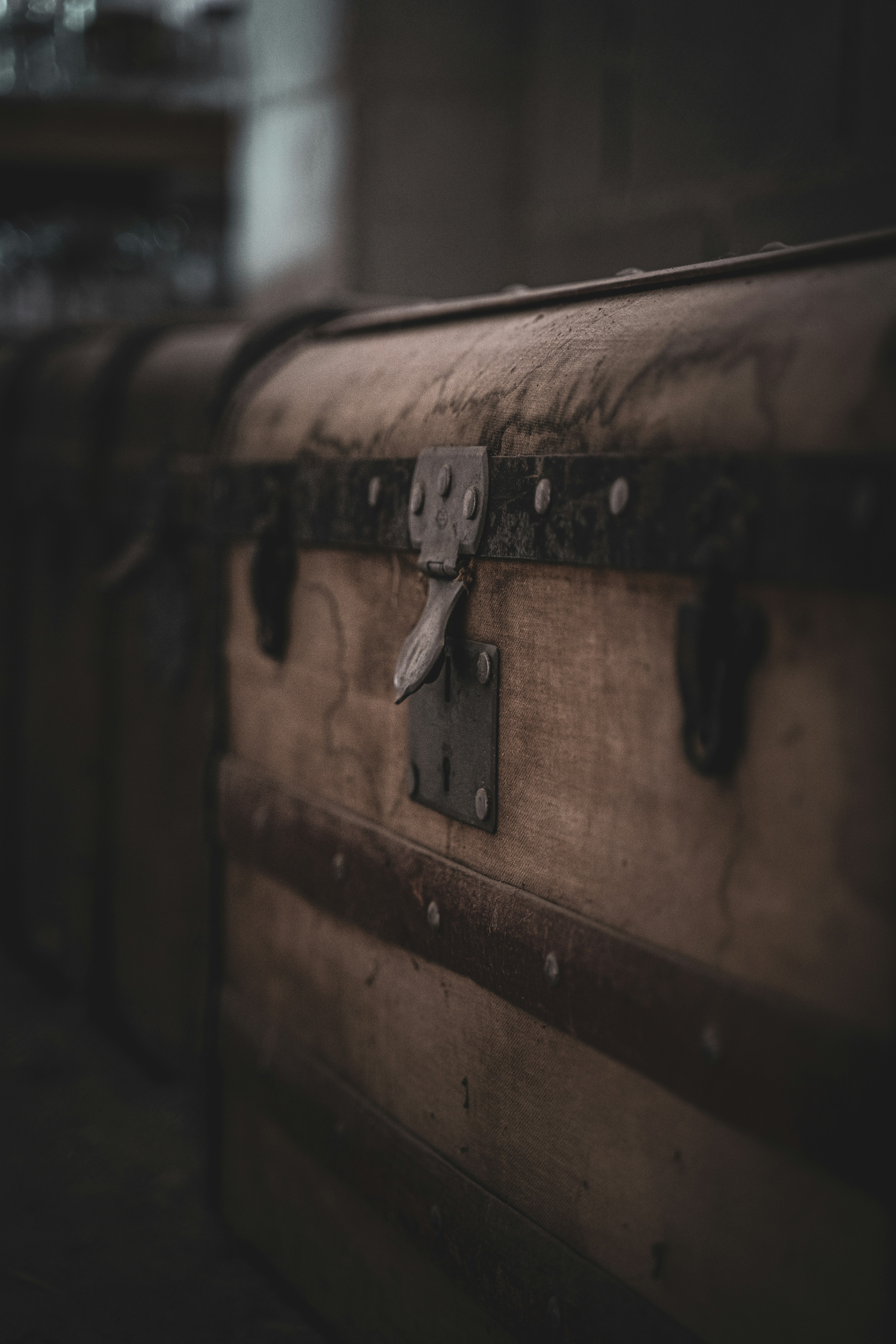
Daisy tells me, “Opening that box started a sort of haunting. I couldn’t stop reading. A woman on the verge of a mental breakdown was compulsively scribbling her life and imagination. There was an urgency to her writing.”
I nod along, having always found Robbins’ writing to err on the side of chaotic, but feeling unable to interrupt Daisy’s enthusiasm and pride in her ancestor.
Daisy continues, “Rachel was writing at a time of AI. Handwriting, critical thinking and imagination were becoming old-fashioned. But she kept the faith.”
“Doesn’t that make her a bit of a Luddite?” I venture.
Daisy ignores my interruption.
“She was right, you know. I’m so glad that before she died, she got to see the overthrow of the tech oligarchs. She organised a local concert to support the court cases for the protesters and farmers that bulldozed a local data farm.”
A local newspaper review of that concert described it as worthy, “a bit too preachy to be entertaining”.
Daisy continues, “But she would probably be weeping about the slow recovery from the damage they inflicted: the data-centre deserts, the fact we still have to ration water, the declining bird population. It’s just good to know someone fought for a different way of life.”
I surmise that puritanism is an inherited trait.
Robbins celebrated her 100th birthday with her first and only parachute jump. She died a few days later in a care home, surrounded by loved ones and her hoard of journals. It was reported that her final words were “Stop bickering or you’ll never get to hear my final words.”
The will was simple – share my wealth and burn my notebooks. Daughter, nephews and nieces felt unable to carry out that final wish.
In her lifetime, Rachel’s publications were considered worthy, but dry. She was a mid-successful academic, with various oft-cited works about domestic abuse. However, they eventually fell out of favour, as terminology and services moved forwards, then backwards and finally forwards again. She showed a particular affinity for those who did the caring work, which is why under her image there is often the pithy slogan “Who cares for the carers?” It is fair to say, however, that her work had little impact with policy-makers.
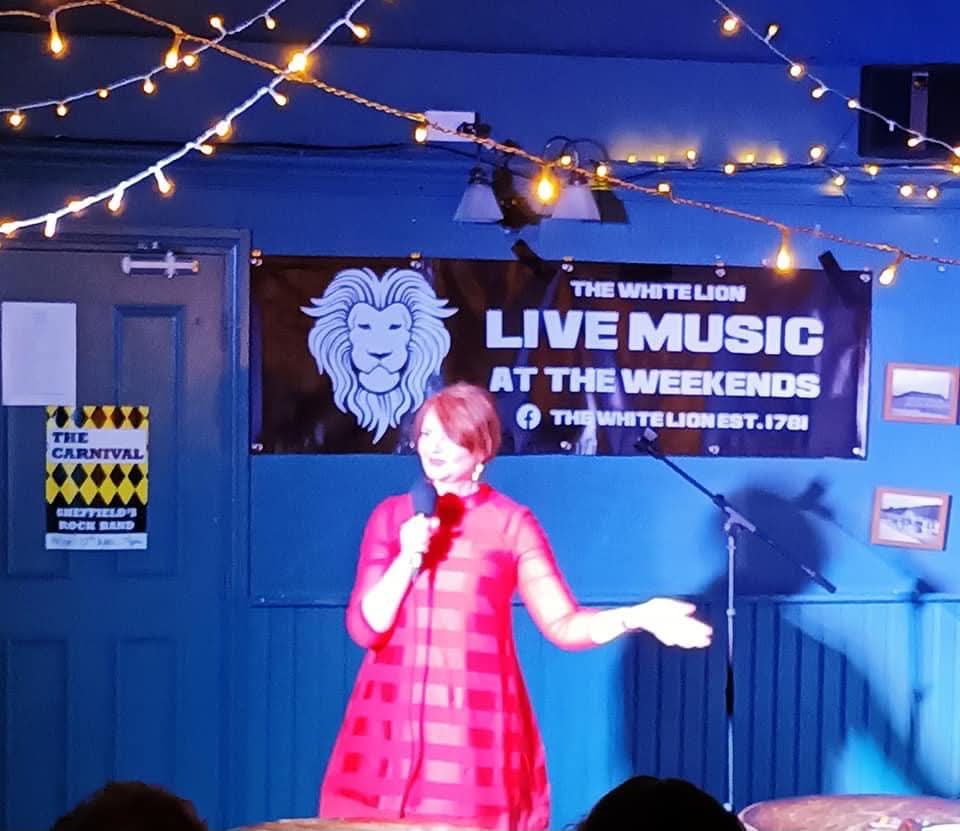
Some declared it madness, others called it courage, when Rachel threw away her academic career in her fifties, for a life of writing and performing. Rachel’s own description of that choice was “menopausal.” She became a regular fixture on the Northern comedy circuit, mainly seen as a novelty act. Contemporary comedy reviews described her as ‘bubbly’, ‘engaging’, ‘slightly weird’, ‘unpredictable’ and ‘too old’.
However, page and stage seemed to mark some sort of split in her personality.
On stage she was levity and glamour, but on the pages of her journals, the short stories and the two-posthumously published novels she is full of hauntings, traces of regret, trauma and rage.
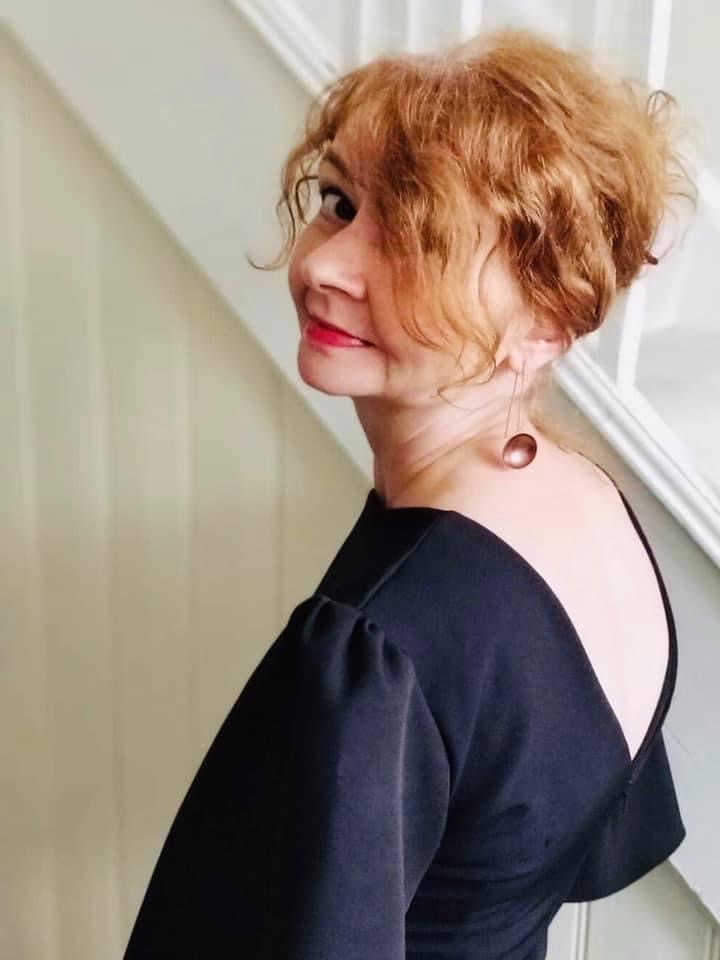
Rachel was born in the mid-1900s (1968), in the middle of England, the middle of three daughters, caught up in the midst of her Mother’s Catholicism and her Father’s atheism. Being the middle child, neither youngest nor oldest, a little identity-less, meant she often struggled with believing she had a place in the family. Her father once said, “Every family needs an eccentric, and, Rachel, you’re ours.” In later years, she reflected on that conversation and decided to wear the label of eccentricity with pride. You can now buy T-shirts emblazoned with the motto, “I’m your eccentric”.
She was academically gifted but, against all advice, went to university to study Drama. She has been quoted as saying, “Whenever I found myself stuck in a career I would head back to education.” However, after her PhD she realised she had come to the end of the road in terms of official studying. She remained committed to her edification. In particular, she applied herself to learning the art and craft of living creatively.
Daisy’s Grandma, Rosie, talks of Rachel as the woman who introduced her to the theatre, wore interesting clothes, was quick to anger and forgive. Most importantly, her Aunty Rachel made the best chocolate brownies. Rosie was gifted that recipe on her aunt’s passing and yet, despite using the organic salted butter and 80% cocoa chocolate as directed by the recipe, they never did taste as good. It was Rosie who took the notebooks and placed them in her attic.
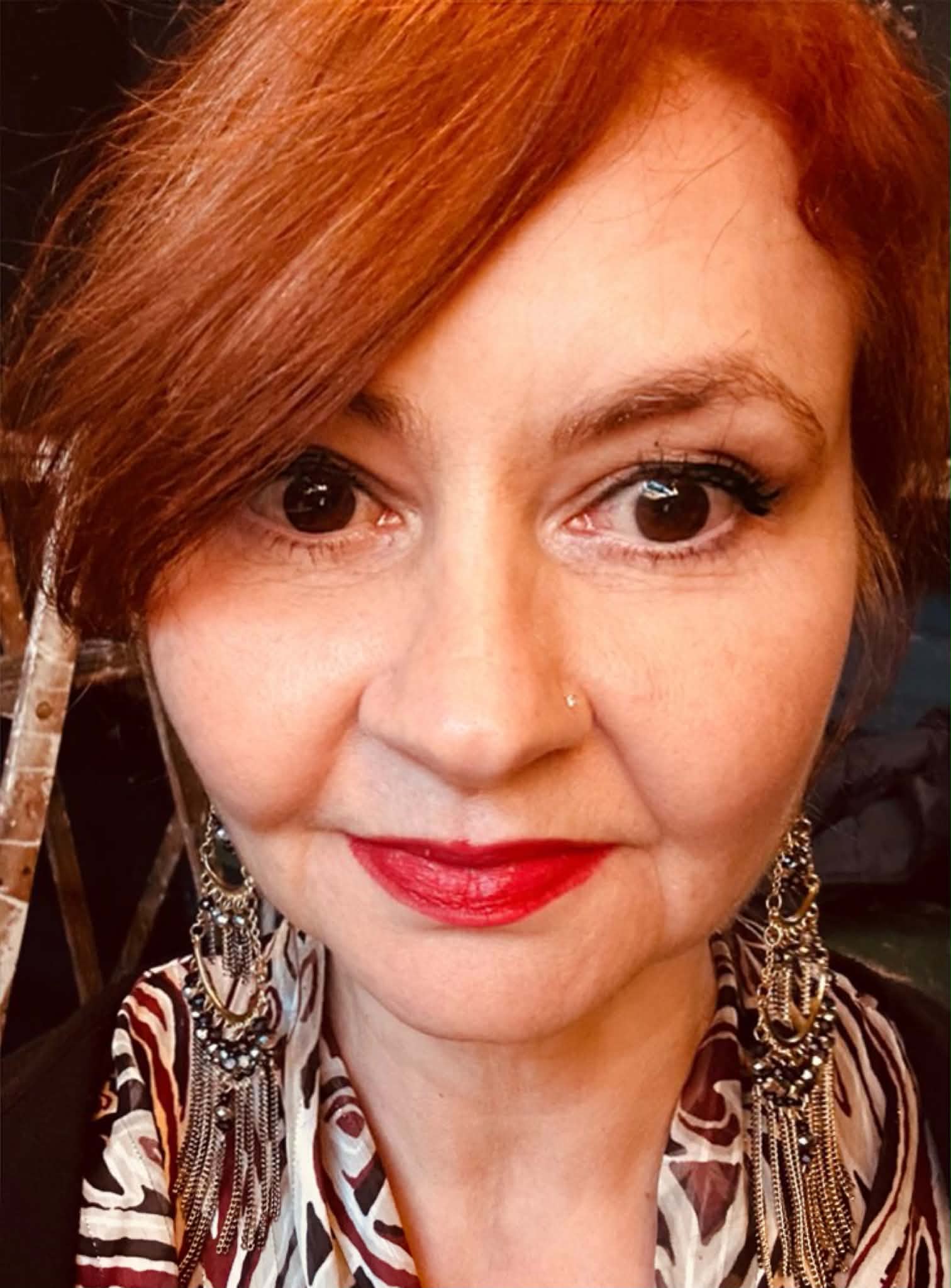
When her grandmother granted Daisy access to the journals, she found reams of ‘Morning Pages’ outlining the day before, reflections, rants about politics and ideas for short stories.
Alongside the daily writing, there was a weekly ritual of a visit to the cinema, recorded on a spreadsheet with ratings and details of snacks eaten. Rachel gained a loyal following of film fans for her idiosyncratic, personal, emotionally-led film reviews, published on Vocal. Some would call it quirky, but others might suggest it was indicative of her poor mental stability that many of the reviews were written by her imaginary alter ego, a whisky-swilling 1940s screenwriter.
Sorting through the box of writing, Daisy uncovered the manuscripts for two novels. The first, The Minor’s Strike, was an account of a young girl growing up in the north of England, developing a political awareness and an activist soul. The second, The Safety Pins, was borne out of Rachel’s concerns for carers and followed the fortunes of a friendship group working in the caring industry at the turn of the 21st century. Neither were published in her lifetime.
Alongside the novels, one anthology of short stories has been published and Daisy has been busy compiling the next volume to be added to Rachel’s posthumous body of work. However, she has also said that she will not be releasing the journals to any archive or library.
“They are family records. Rachel wanted those notebooks burning for a reason. I’ve slowly worked through them and released only what I hope she wouldn’t mind sharing. But I do know more about her than anyone has the right to. In her journals, she talked about parts of her life being a locked box, not for public consumption. I respect that.”
I asked Daisy why Rachel’s writing wasn’t popular during her lifetime.
“Because she published very little of it.”
“And why was that?”
“It was hard to get things published, critiqued, reviewed, marketed. That side of the writing business didn’t interest her, and she didn’t want to risk losing her creativity to men in suits.”
I give a sideways glance, because that sounds like a polite way of saying, it wasn’t good enough.
And how would Daisy sum up Rachel’s writing?
“Compassionate, but edged with a darkness about the way the world keeps tilting towards the powerful, the moneyed, and the deliberately ignorant.”
She stops for a moment and then smiles.
She adds, “I know the image is of a sweet little old lady, but you should also know in her private journals, she swears like a sewer.”
Imagine if Daisy had never found those journals. Imagine if the family had burned them as promised. Some would argue we would have lost something of beauty. Others would say, “The last thing we needed was another angry woman ranting about the world, and why didn’t she pluck her eyebrows?”
Thanks to Daisy, you get to decide which side you are on.
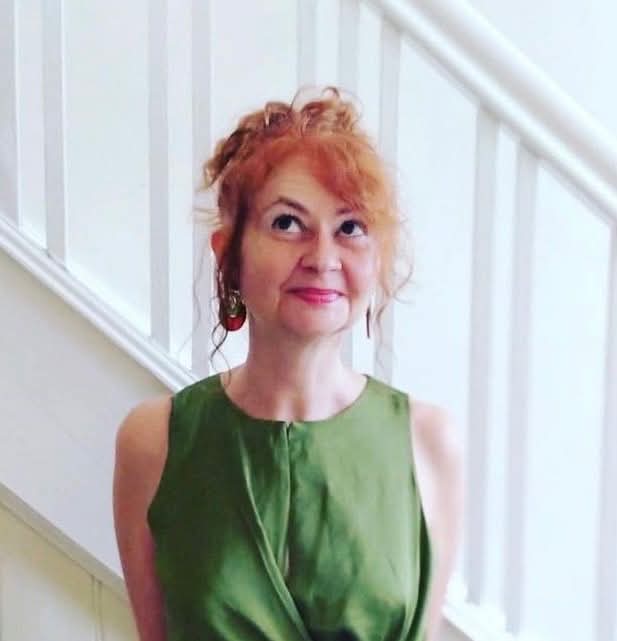
The Whispers of a Loud Woman, Rachel Robbins’ second posthumous anthology of short stories, will be published in the Spring.
About the Creator
Rachel Robbins
Writer-Performer based in the North of England. A joyous, flawed mess.
Please read my stories and enjoy. And if you can, please leave a tip. Money raised will be used towards funding a one-woman story-telling, comedy show.
Enjoyed the story? Support the Creator.
Subscribe for free to receive all their stories in your feed. You could also become a paid subscriber, letting them know you appreciate their work.
Comments
There are no comments for this story
Be the first to respond and start the conversation.