
The Psychology of Cozy Spaces: Why Some Rooms Feel Comfortable, and Others Don’t
Understanding why some rooms feel warm and inviting while others feel empty

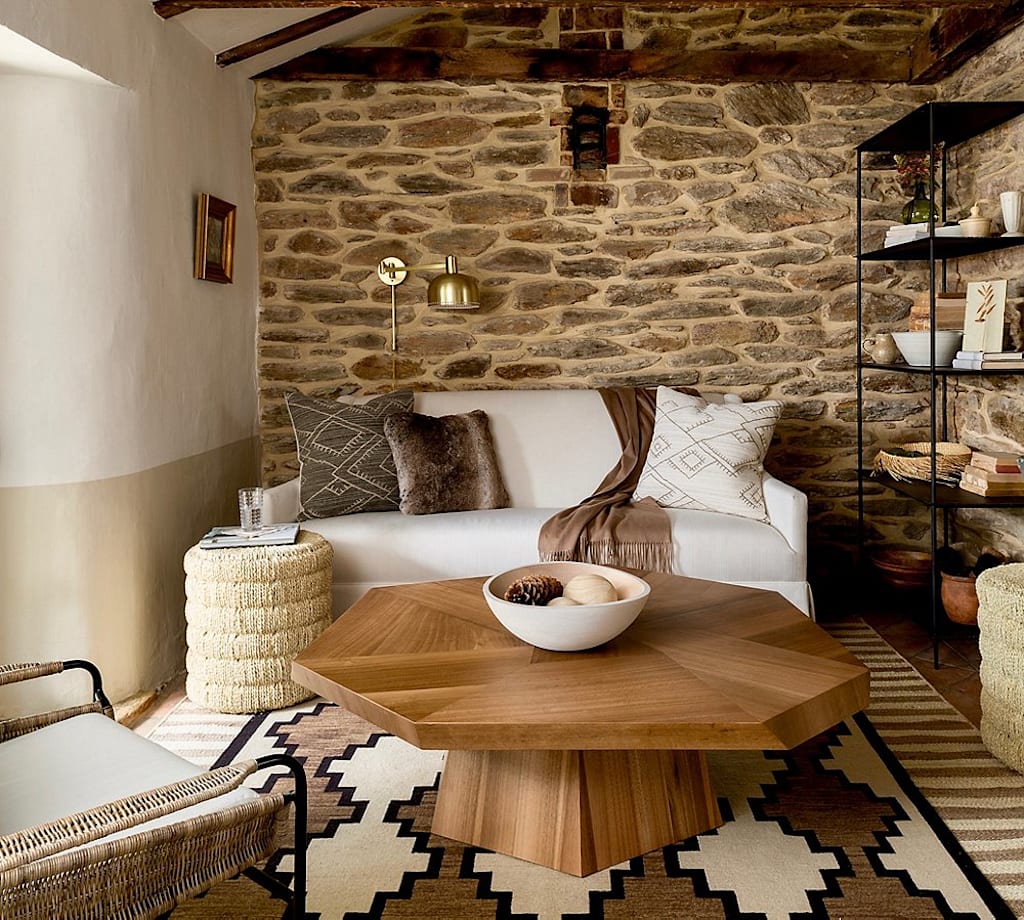
Have you ever walked into a room and instantly felt relaxed, safe, and at ease, even if it was simple? At the same time, some beautifully decorated rooms can still feel cold or uncomfortable. This difference is not random. It comes down to the psychology of cozy spaces.
Cozy spaces are not created only through expensive furniture or perfect styling. Instead, they are shaped by how our brain reacts to lighting, textures, symmetry, scent, and layout. In this guide, we will explore why certain home decor ideas feel comforting and how you can create that feeling in your own home using simple interior design ideas.
🧠 What Makes a Space Feel Cozy?
The feeling of coziness is deeply connected to human psychology. Our brains naturally respond to environments that feel safe, warm, and predictable.
A cozy room usually has:
Soft and warm lighting
Balanced but not rigid layout
Comfortable textures
Mild and pleasant scents
A sense of order without being too perfect
These elements work together to create cozy home decor ideas for small spaces that feel emotionally comforting.
💡 Lighting: The Most Important Factor
Lighting plays the biggest role in shaping mood. Harsh white lights often make a room feel cold and clinical, while warm lighting creates comfort.
For better home decorating ideas, try:
Warm yellow lights instead of bright white LEDs
Table lamps instead of only ceiling lights
Fairy lights for soft evening glow
Natural sunlight during the day
Lighting affects how your brain interprets the entire space. This is why many modern home decor ideas now focus on layered lighting instead of a single light source.
🪶 Textures: The Feeling of Comfort
Texture is something we feel, even before we think about it. Soft and layered textures signal comfort to the brain.
Some effective home decor ideas using texture include:
Wool or cotton blankets on sofas
Soft rugs under coffee tables or beds
Cushions in different fabrics like linen and velvet
Curtains that gently flow instead of stiff materials
Mixing textures is also a key part of modern minimalist home decor ideas, where simplicity is balanced with comfort.
📐 Symmetry vs Natural Balance
A perfectly symmetrical room can sometimes feel too strict or formal. On the other hand, too much imbalance can feel messy.
The best approach is “visual balance,” which is widely used in interior design ideas:
Place furniture in a way that feels even, not identical
Balance a large item (like a sofa) with smaller decor pieces
Avoid overcrowding one side of the room
Keep walking space open
This type of balance is often used in small apartment decor ideas on a budget, where space is limited but comfort is still important.
🌿 Scent: The Invisible Layer of Home Decor
Scent is one of the most powerful emotional triggers in the brain. A space may look perfect, but without a pleasant smell, it can still feel incomplete.
Simple home decor ideas for scent include:
Light candles with soft fragrances like vanilla or lavender
Use essential oil diffusers
Keep rooms well-ventilated
Add natural elements like fresh flowers or herbs
Scent is often overlooked in home decorating ideas, but it strongly affects how “cozy” a space feels.
🏡 Layout: How Space Flow Affects Comfort
Layout refers to how furniture and objects are arranged in a room. A good layout allows movement, relaxation, and visual clarity.
For better home design ideas, consider:
Keeping seating areas centered and inviting
Avoid blocking natural walking paths
Position furniture to encourage conversation
Create small “zones” for reading, relaxing, or working
Even in small space living room layout ideas, smart arrangement can make a room feel much larger and more comfortable.
🎨 Color Psychology in Cozy Spaces
Colors directly influence emotions. Warm and soft colors often create a cozy feeling, while overly bright or dark tones can feel intense.
Common cozy home decor ideas for small spaces use:
Beige, cream, and soft white for calmness
Earth tones like brown and terracotta for warmth
Soft greens for a natural feeling
Muted blues for relaxation
This is also an important part of aesthetic bedroom decor ideas for small rooms, where color sets the mood for rest.
🪟 Why Some Rooms Feel “Expensive” Yet Uncomfortable
Many people follow modern luxury interior design trends, but still feel their space is not cozy. This happens when design focuses only on appearance and ignores comfort.
Common mistakes include:
Too much empty space with no warmth
Hard surfaces without soft textures
Bright lighting without layers
Over-styled furniture with no personality
A home should not feel like a showroom. Even budget home decor hacks can create more comfort than expensive but impersonal design.
🌙 Creating Your Own Cozy Environment
To build a cozy home, you do not need to change everything at once. Small adjustments can have a big impact.
Start with these simple home styling tips:
Add warm lighting in the evening
Introduce soft fabrics in key areas
Keep your space slightly lived-in, not overly perfect
Add personal items like books, photos, or travel objects
Use calming scents regularly
These small changes combine to create strong emotional comfort.
🧩 Final Thoughts
The psychology of cozy spaces shows that home comfort is not just visual, it is emotional. Lighting, textures, scent, layout, and color all work together to shape how we feel inside a room.
Whether you are exploring modern home decor ideas, improving small apartment decor ideas on a budget, or trying how to make your home look expensive cheaply, the real goal is the same: creating a space that feels peaceful and personal.
A truly cozy home is not designed to impress others, it is designed to make you feel at ease the moment you walk in.
About the Creator
Lana Wilson
Exploring cozy living, mindful design, and the beauty of natural materials. I share ideas, tips, and personal takes on creating warm, functional spaces, guided by the simple, thoughtful style that defines Splendas.
Enjoyed the story? Support the Creator.
Subscribe for free to receive all their stories in your feed.
Comments
There are no comments for this story
Be the first to respond and start the conversation.