
The Irony of Rick Henry Christopher
The Posthumous Rise of a Failure


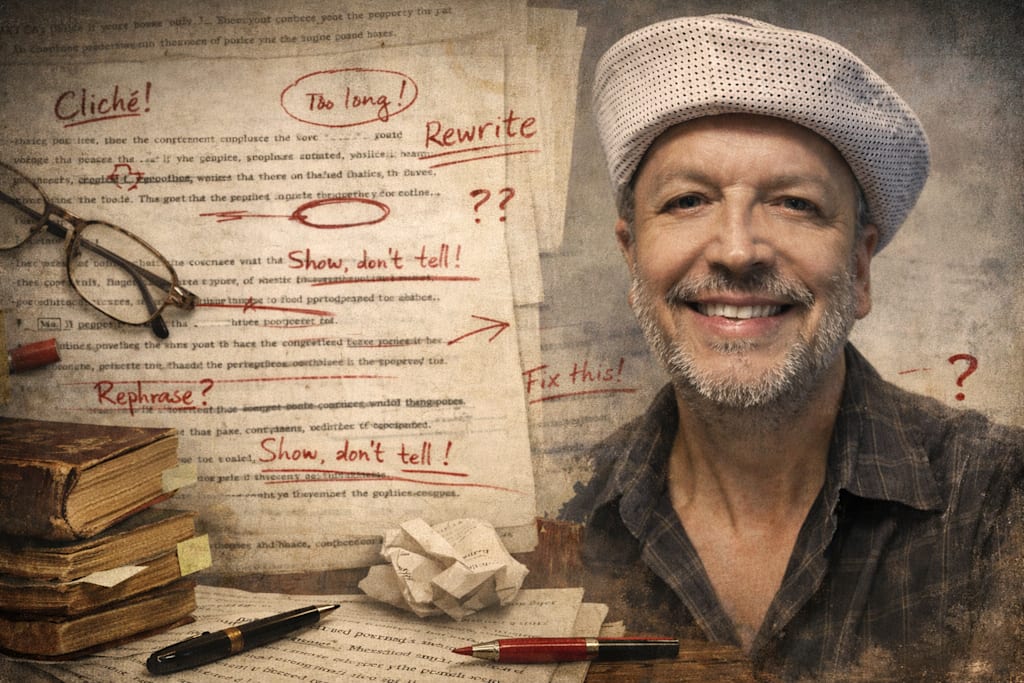
Author Rick Henry Christopher was found dead on the patio of his suburban home in Orange County, California. He died on June 23, 2053, at the age of 93. His cause of death is still unknown.
Christopher, born Rick Henry Nutz, began his writing career late in life. He was 62 when he joined the Vocal Media platform. He found modest success there, with several of his music articles receiving more than 2,000 reads and his most popular reaching 12,500.
Before Vocal Media, Rick published an album‑by‑album, song‑by‑song book reviewing every track recorded and released by the American pop group Carpenters. The book was a relative success, selling more than 8,000 copies, but it did not bring him recognition as a writer.
From there, Christopher tried his hand at novels. His first novel, the psychological drama Voices, bombed and sold only 148 copies—100 of which Christopher purchased himself to give to friends and family. His second novel, Hammer, a dark horror story, was poorly received by critics and readers alike. It sold only 52 copies, with Christopher buying 50 of them.
After two unsuccessful novels, Christopher finally achieved success when Random House offered to buy both books for a multi‑book project they were developing. He was told his novels were perfect for the project. The deal included a one‑time payment of $100,000 for the rights and a 3% royalty on the books in which his novels would be featured. The project’s purpose: to use his novels as examples of what not to do when writing fiction.
Publishers marveled at the fact that RHC was being paid six figures specifically for being terrible.
The first two books—Don’t Write This Book: Essential Examples of Novel‑Writing Pitfalls and Spotting the Mistakes That Kill Great Stories—each sold more than one million copies after being adopted by many fine arts and liberal arts colleges for creative writing courses. RHC earned half a million dollars from their combined sales.
But it was the third book, The Annotated RHC: Learning from the Mistakes of “Voices” and “Hammer”, that made him a wealthy man. This volume included both novels in full, along with notes pointing out the many errors RHC had made. His newly hired agent secured a 6% royalty, and the book sold five million copies over three years.
A month after RHC’s death, film director and screenwriter Brandon Cronenberg came across the Annotated book and was immediately taken by Timothy, the warped lead character in Voices. By then, Random House no longer held the rights, and Cronenberg was able to reserve them from RHC’s estate for $25,000. A few months later, the film was greenlit, and Cronenberg’s production company purchased the full rights for $100,000. RHC’s estate secured a 3% royalty on box‑office sales, streaming views, and future disc sales. Over the next ten years, RHC’s estate earned $3 million in royalties from Voices.
While the Random House books brought RHC a modest amount of wealth, it was Cronenberg’s film that finally brought him fame—ironically, after his death. His long‑ignored novels, which he once had to buy himself, were suddenly in high demand. Collectors paid premium prices for editions he once struggled to give away. After being out of print for 15 years, people were now clamoring for them.
RHC became the only author to achieve fame by being publicly corrected. Critics suddenly came out of the woodworks and claimed to have always admired him. The same critics had panned his novels decades earlier.
RHC is remembered as the worst best‑selling author in history — a title he would have held with dignity and absolutely no competition.
About the Creator
Rick Henry Christopher
Writing fulfills my need for intellectual stimulus, emotional release, and soothing the bruises of the day.
I’m an open book. I’m not afraid to show my face or speak my mind
https://www.facebook.com/groups/vocalplusassist
Enjoyed the story? Support the Creator.
Subscribe for free to receive all their stories in your feed. You could also become a paid subscriber, letting them know you appreciate their work.
Comments
There are no comments for this story
Be the first to respond and start the conversation.